
End of the Intel era on Apple computers: macOS 27 system will require M-series or MacBook Neo processors

The technology giant confirmed a drastic change in the life cycle of its computers during WWDC 2025 announcements. The long-awaited macOS 27 operating system will work exclusively on machines equipped with M-series family processors or the recently launched MacBook Neo. The decision definitively ends the era of major upgrades for the entire Intel chip-based lineup. Older model Usuárioss will need to plan for hardware replacement if they want to access future software innovations.
The strategic move coincides with a time of high demand in global retail. The MacBook Neo hit shelves with an aggressive price of $599. The value quickly attracted consumers. Todo the initial stock of the official Apple store was sold out in April, forcing the company to reschedule deliveries of new shipments for the period between May 1st and 8th. The manufacturer had to adjust its assembly lines to handle the unexpected volume of orders.
Transição architecture affects thousands of old devices
Owners of computers with Intel processors will not be left completely helpless in the short term. The current version of the system, known as macOS Tahoe or macOS 26, will continue to operate normally on these machines. Apple will continue to provide critical bug fixes and security updates for an extended period of time. However, the new interface features and advanced productivity tools will be restricted to the most modern processors.
The main technical barrier to maintaining support involves new neural processing demands. The brand’s integrated artificial intelligence functions require a specific hardware architecture that old chips simply do not have. Local natural language processing and image generation require dedicated components. Sem these physical parts, the macOS 27 usage experience would be severely compromised on models manufactured before the transition to proprietary silicon.
Especialistas in technology point out that the compatibility cut will accelerate the devaluation of Intel models on the used market. Lojas resellers are already registering an increase in the supply of old machines. Muitos professionals seek to pass on the equipment before the official launch of the new operating system. The window of opportunity to achieve good resale value is rapidly shrinking as the end of the year 2026 approaches.
Dinâmica pricing and availability in the retail market
The intense demand for the MacBook Neo changed the manufacturer’s traditional sales dynamics. The focus on students, families and small businesses has proven to be a significant business success. The entry model offers an inexpensive gateway to the Apple ecosystem. Redes partner retailers took advantage of the moment to create aggressive promotional campaigns and capture the share of consumers who were unable to purchase directly from the source.
Amazon has emerged as the main alternative for those looking for a device with prompt delivery and special conditions. The e-commerce platform managed to trade considerable lots of the product. The applied discounts represent an important advantage for the incoming buyer. Price fluctuations occur almost daily, depending on the color chosen and availability at the nearest distribution center.
The current commercialization scenario presents the following configurations and reference values:
- Preço MacBook base Neo at Apple official store: $599.
- 256GB Edição retails for $589.99 at Amazon.
- Versão extended 512 GB available for $689.99 from Amazon.
- Processador A18 Pro integrated with 6-core CPU and 5-core GPU.
- Unified 8GB Memória established as factory default.
The price list reflects the volume strategy adopted by the company. The lower profit margin per unit is offset by the massive amount of sales and customer retention on the brand’s subscription services. Cloud storage and media bundles often generate recurring revenue that justifies subsidizing the value of the initial hardware.
Desempenho technical and specifications of the new A18 chip Pro
The heart of the MacBook Neo represents a milestone in the company’s semiconductor engineering. The A18 Pro chip has been adapted from the mobile device lineup to deliver extreme power efficiency in a laptop form factor. The architecture of 6 central processing cores guarantees fluidity in daily office tasks and web browsing. The 5-core graphics unit supports high-resolution photo editing and stutter-free short video rendering.
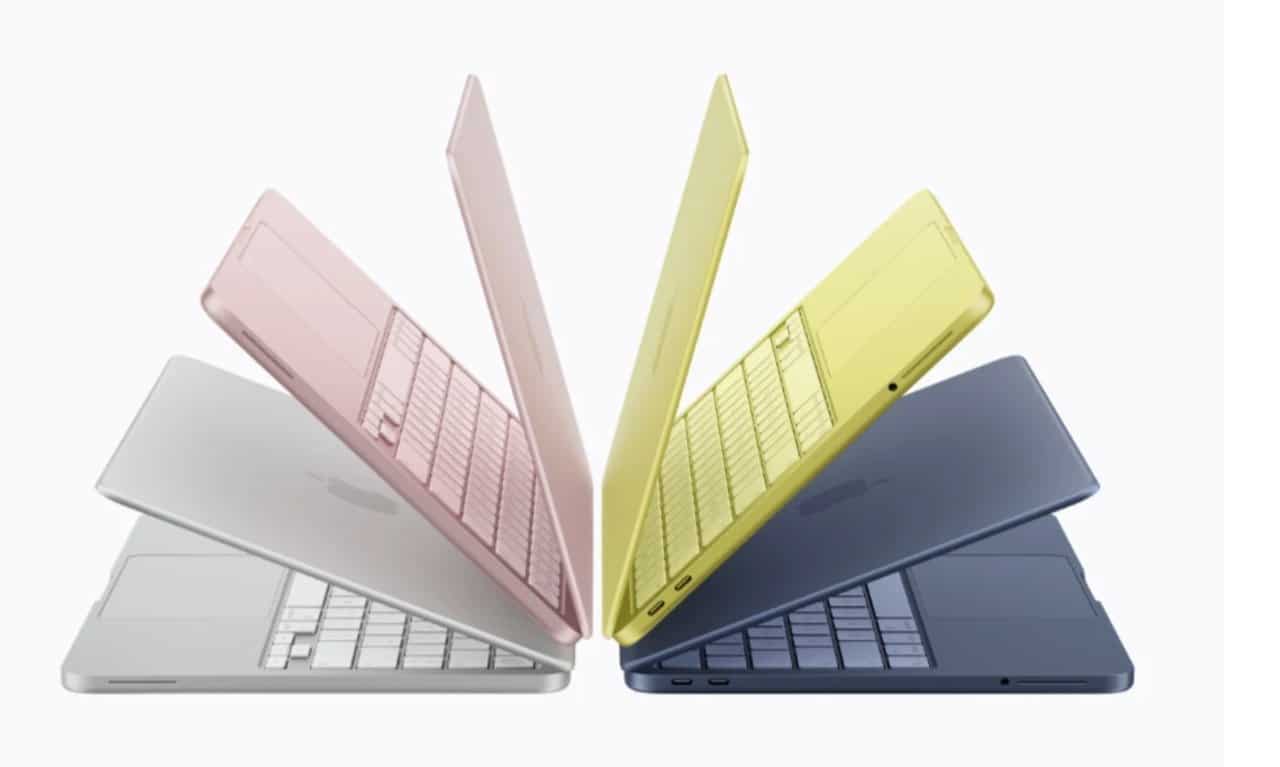
The 13-inch Liquid Retina screen complements the device’s technology package. The panel offers enough brightness for outdoor use and color accuracy suitable for beginner content creators. The chassis made from recycled aluminum maintains the brand’s premium visual identity, even though it is a product focused on cost-benefit. The company made several color options available to attract younger audiences.
Battery autonomy emerges as the main selling point in physical stores. The reduced consumption of the A18 Pro processor allows the computer to operate for a full day of work or studies away from the socket. Independent Testes confirm that the machine easily surpasses the twelve hour mark of continuous video playback. The absence of cooling fans also ensures completely silent operation in any usage scenario.
Programas replacement and customer loyalty
A curious phenomenon began to occur at the brand’s authorized repair centers in recent weeks. Consumidores who sent old Macs with Intel processor for complex repairs reported pleasant surprises. In specific cases of lack of spare parts for old motherboards, Apple chose to replace the entire machine with new units equipped with the powerful M4 Max chip. The exchange occurred at no additional cost to the customer.
The practice of replacing with superior models solves logistical problems of storing obsolete components. Manter active production lines just to manufacture parts for discontinued computers generates extremely high costs for the industry. The delivery of state-of-the-art equipment resolves the technical issue immediately. Attitude also has a direct impact on the affected consumer’s perception of the brand.
Users who receive a free update of this magnitude continue to consume the company’s products and services. The silent loyalty strategy contrasts with the abrupt cut in software support announced for macOS 27. The company balances the need to force technological evolution of its installed base with specific customer service actions. The personal computer market follows the results of this definitive architectural transition.





