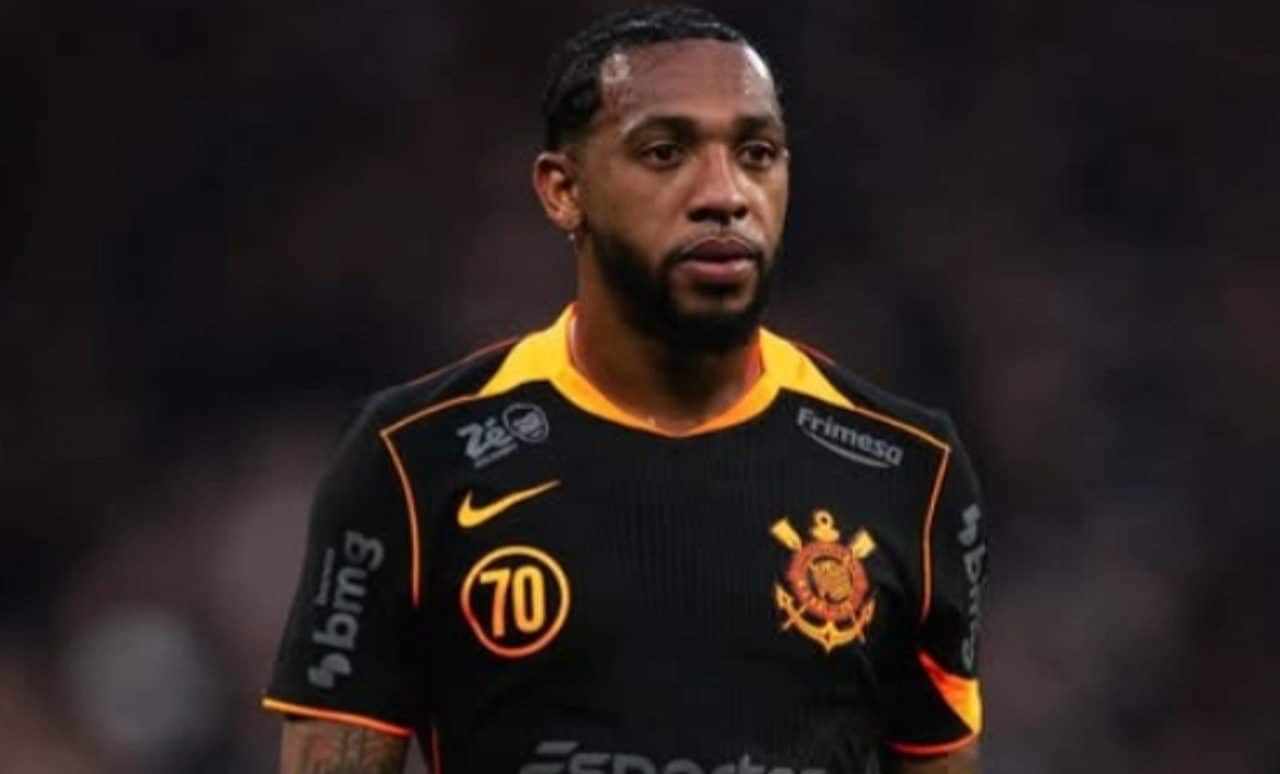
Corinthians received a new transfer ban from Fifa this Thursday (21), directly impacting its ability to reinforce the squad. The highest football entity imposed a sanction on the São Paulo club, preventing it from registering new players. Esta measure will extend over the next three transfer windows.
The punishment stems from a debt owed to Philadelphia Union, by Estados Unidos, relating to the acquisition of the player José Martínez. The Venezuelan midfielder arrived at Corinthians in 2024 and had his contract terminated at the beginning of this year, after a series of incidents of indiscipline. The financial issue escalated until it resulted in the imposition of the veto.
Detalhes’s sanction and debt history
Corinthians is once again faced with a scenario of restrictions in the transfer market, a recurring situation at the club. The notification from Fifa, released this Thursday (21), prevents the club from registering new athletes for a period corresponding to three consecutive windows. Esta is a severe measure that forces management to seek quick solutions to resolve financial issues. The current infraction is directly linked to the acquisition of the José Martínez midfielder from Philadelphia Union, from Estados Unidos, in a transaction carried out in 2024. The debt, which was not completely paid off as planned, led the North American club to turn again to Fifa.
Fifa’s initial conviction, in September 2025, stipulated the payment of 1.5 million dollars, equivalent to R$7.5 million. Após paid the first installment, Corinthians delayed the subsequent ones. Esse’s failure to comply led Philadelphia Union to reactivate the action, resulting in a transfer ban. The situation requires immediate action to avoid further damage to the squad’s planning and competitiveness. The board seeks to adjust strategies with internal alternatives or emergency solutions.
Trajetória from José Martínez into Parque São Jorge
José Martínez arrived at Corinthians in 2024 with high expectations, but his tenure was marked by irregularities and indiscipline. The Venezuelan midfielder had his contract terminated at the beginning of this year after a delay in his return and a knee injury. Sua’s early exit sought to minimize financial and legal impacts for both parties.
The termination of José Martínez’s contract, formalized in February this year, established specific conditions. The agreement aimed to resolve disputes consensually, given the difficulties.
- Corinthians committed to paying 30% of the amounts that Martínez would receive in 2026.
- The club also covered the costs of the knee surgery that the player would undergo.
- José Martínez, in turn, waived all the remainder owed to him in relation to the year 2027.
On the field, Martínez scored two goals and two assists in 70 games (52 as a starter). Sua’s departure, however, did not end the administrative and financial problems related to his hiring.
Impacto financial and terms of agreement
Para drops the transfer ban, Corinthians needs to pay off the debt with Philadelphia Union. With interest, the amount to be paid exceeds R$8 million, a significant disbursement for the club’s coffers in a period of financial challenges. The board seeks to prevent the punishment from prolonging, damaging sports planning. Negociações are on course to rectify the situation quickly.
The ability to register new players is crucial to competitiveness on several fronts. The impediment to signings for three windows could impact the formation of the squad, replacement of athletes and important departures. Este scenario requires careful management of the squad and promotion of young players from the base. The urgency in resolving the financial issue is an absolute priority for the management of Corinthians.
Desafios for the next transfer windows
With the transfer ban active, Corinthians will face a challenging period in the market. The impossibility of registering new athletes for three windows means that the club will not have external reinforcements until the punishment is suspended. Esta situation forces the coaching staff to work with the current squad, optimizing the performance of available players. The hiring strategy will be completely reevaluated.
A viable alternative is investment in the base category. Promoting young talent to the first team can fill gaps in the squad. Isso requires robust scouting and development, as well as trust from coaches. The football department will have the mission of managing player departures, as direct market replacements will be prohibited. The ability to retain talent and negotiate intelligently will be tested.