
GWM confirms launch of the Haval H7 in Brazil for 2026 with hybrid engine and focus on technology

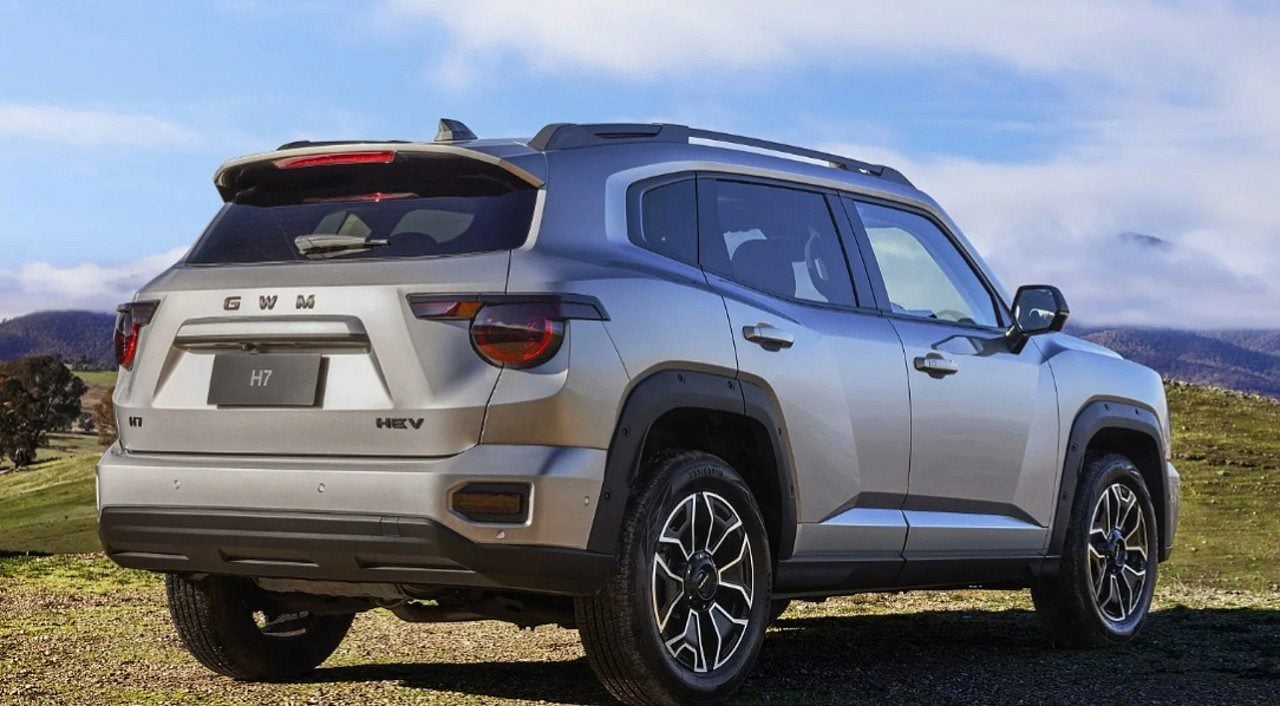
Asian automaker GWM has officially introduced the Haval H7 sports utility vehicle into the Brasil for the year 2026. The vehicle arrives in the country equipped with plug-in hybrid propulsion and power that can reach up to 364 hp. The manufacturer’s strategy involves positioning the car in the price range below R$300,000. Consumidores locations are increasingly seeking electrified options. The launch schedule follows the component nationalization plan and the structuring of the assembly line.
The corporate decision changes the dynamics of the medium SUV segment in the national territory. The new model will face established rivals in dealerships, such as the BYD Song Plus, the Toyota Corolla Cross and the Jeep Compass. The brand seeks to abandon the stigma of a purely economic alternative to compete for customers who value technological innovation and superior finishing. Analistas from the automotive sector is watching the movement carefully. The energy transition drives the accelerated renewal of catalogs offered by automakers installed in the country.
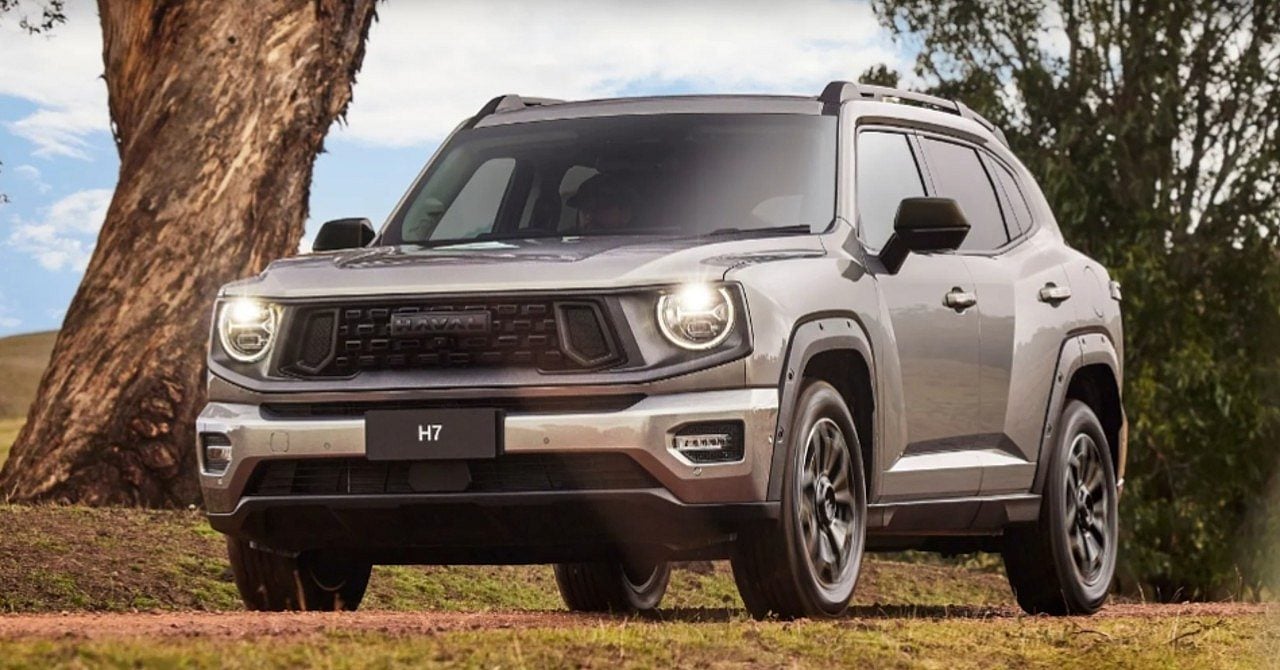
Dimensões of the vehicle and commercial strategy for the national market
The size of the utility vehicle represents one of its main selling points among the family public. The Haval H7 measures approximately 4.8 meters in length, ensuring ample internal space for occupants in the front and rear seats. The luggage compartment holds around 586 liters. Many Famílias tend to prioritize this feature during the purchase decision before long trips. The superior size puts the launch at a level above the current Haval H6. The body architecture favors aerodynamics and contributes to directional stability at high speeds.
The aggressive pricing policy aims to capture a specific segment of buyers seeking advancement in the automotive market. GWM plans to sell the car at more affordable prices than those charged by traditional luxury vehicles of European origin. The ceiling of R$300,000 creates a bridge between top-of-the-line combustion models and high-cost pure electric models. The dealership network prepares the after-sales infrastructure to receive the growing volume of interested parties. The fight for market share will require targeted marketing campaigns and test drives focused on the user experience.
Desempenho mechanics and efficiency of the plug-in hybrid assembly
The engineering applied to the traction system combines daily energy efficiency and high performance on highways. The 1.5 turbo engine works in perfect synchronization with state-of-the-art electric drives located on the axles. The combined power of the set varies between 326 hp and 364 hp, depending on the final configuration chosen for the Brasil. Essa mechanical calibration easily surpasses the numbers presented by much of the direct competition in the showcases. The Jaecoo 7 and other recently launched models deliver lower specifications in this specific acceleration aspect. Electronic management distributes force intelligently to optimize tire grip.
The operation of the plug-in hybrid system allows recharging at conventional residential sockets or fast highway stations. The driver can make daily urban journeys using only the electricity stored in the lithium-ion battery bank. The combustion engine comes into action automatically during long journeys or when the driver demands more vigorous acceleration when overtaking. The transition between energy sources occurs imperceptibly for passengers on board. The drastic reduction in fossil fuel consumption meets new global environmental requirements and government energy efficiency programs.
Equipamentos security and embedded connectivity package
The utility cabin contains innovations aimed at absolute comfort and constant driving assistance. The 10.2-inch digital instrument cluster displays crucial data about the operation of the hybrid system and the remaining range. The center of the panel houses a 14.7-inch floating multimedia screen with quick responses to users’ touches. Data processing from the infotainment system takes place in real time without interruptions. Integration with smartphones eliminates the use of physical cables and keeps devices charged by induction.
The project’s biggest difference lies in the adoption of advanced military-grade perimeter monitoring sensors. LiDAR equipment maps the environment around the vehicle with millimeter precision through pulses of laser light. The feature enables advanced semi-autonomous driving functions on well-signposted highways and urban expressways. The active and passive safety package includes the following standard items to protect occupants:
- Monitoramento of the surroundings through high-resolution 360-degree cameras with three-dimensional vision
- Sistema adaptive speed control with automatic stop and start function in traffic
- Emergency autonomous Frenagem with enhanced pedestrian, cyclist and large animal detection
- Assistente lane keeping with active trajectory correction and blind spot warning in the mirrors
The presence of these technologies raises the standard demanded by consumers in the medium utility vehicle category. Traditional Montadoras usually reserve such equipment exclusively for vehicles in higher categories or expensive optional packages. The democratization of active safety forces the entire market to review its equipment catalogs to avoid losing competitiveness. Onboard artificial intelligence learns the driver’s driving patterns to adjust chassis responses.
Impacto in competition and expansion of the automaker’s portfolio
The arrival of the new SUV immediately reconfigures the playing field in the Brazilian automotive sector. The Volkswagen Taos and other vehicles powered exclusively by combustion lose their appeal given the offer of electrification for the same price level. Toyota and Jeep maintain their historical leadership based on the extensive capillarity of their technical assistance networks spread across the country. The mechanical reliability of these brands weighs heavily on the decision of the most conservative consumer. GWM bets on technical superiority and extended warranty to break this loyalty built over decades.
The direct clash with the BYD Song Plus promises to move the number of registrations intensely in the coming years. The compatriot rival has built a solid customer base by offering thermal efficiency and aggressive cost-benefit since its debut. The Haval H7 fights back by delivering more raw power and a considerably superior semi-autonomous driving package. The commercial rivalry between the two Asian manufacturers accelerates the technological renewal of the entire national fleet. The end consumer directly benefits from this war on prices and technical specifications.
The structuring of the GWM catalog gains definitive and logical contours with this scheduled launch. The Haval H6 remains positioned as the gateway to the company’s electrified midsize utility vehicle lineup in the Brasil. The new model bridges the gap between standard family vehicles and large luxury SUVs. The strategy of covering multiple price ranges maximizes the chances of conversion in physical stores and digital channels. The Brazilian market consolidates its strategic position as one of the main destinations for global investments in sustainable mobility this decade.





