

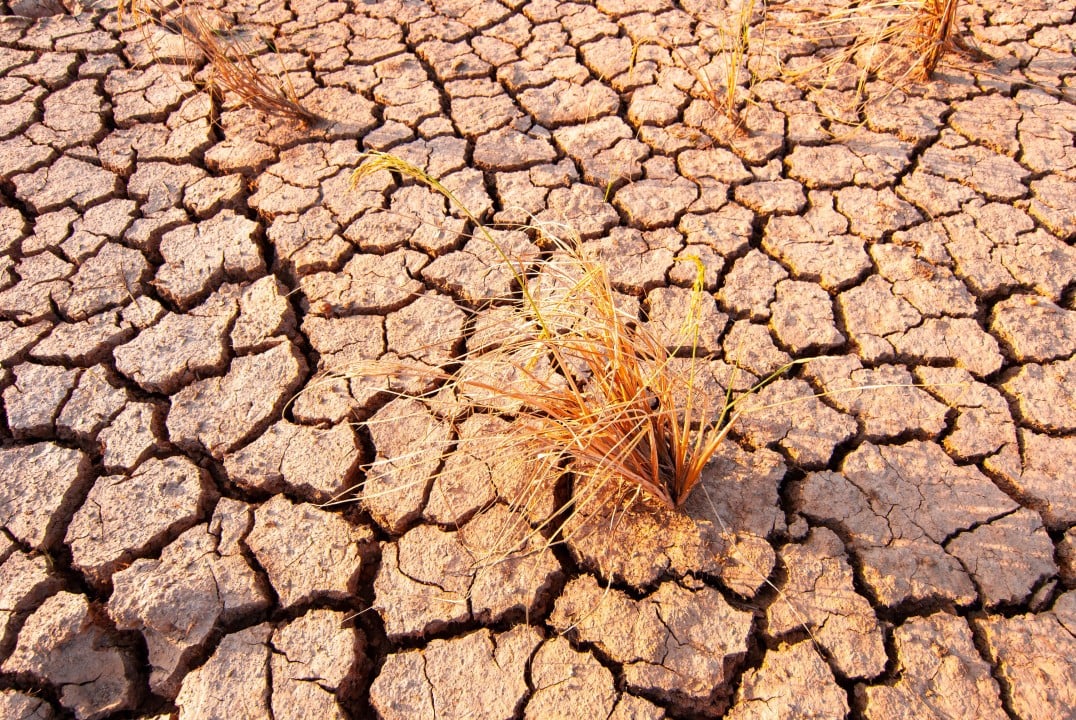
Comparações between the possible El Niño of 2026 and the devastating episode of 1877 are circulating on social media as a warning of an imminent global catastrophe. Pesquisadores refute this equivalence. The intensity of ocean warming is just one variable in the equation; The responsiveness of modern society drastically reduces the risks of large-scale humanitarian impacts.
The El Niño of 1877 occurred in a context completely different from the current one. Naquele period, there were no satellites, advanced weather models or climate monitoring systems. Populations were caught by surprise by extreme droughts, floods and crop failures without any advance warning. Hoje, meteorologists monitor ocean temperatures daily and are able to predict El Niño episodes months before their consolidation.
Impactos devastating El Niño 1877
The phenomenon of 1877-1878 was one of the most intense ever recorded. The abnormal warming of Pacífico Equatorial’s waters profoundly altered global atmospheric circulation, changing rainfall and temperature patterns on several continents. Consequências include:
- Secas catastrophic events in Ásia, especially in Índia, China and Sudeste Asiático
- Fracasso of harvests for consecutive months in agricultural regions
- Widespread Fome that led to tens of millions dying from direct and indirect causes
- Enchentes and extreme precipitation in Sul of Estados Unidos and parts of América of Sul
Na China, the country’s Norte faced one of the worst droughts of the 19th century. Entire Cidades suffered food shortages. Na África, Egito and Etiópia regions recorded severe droughts with relevant economic impacts.
The 1877 Grande Seca on Brasil
The most dramatic impact of the phenomenon occurred on the Brazilian Nordeste. The so-called Grande Seca of 1877-1879 went down in history as one of the country’s greatest climate and humanitarian tragedies. The drought especially hit Ceará, Rio Grande of Norte, Paraíba and Pernambuco, destroying crops, decimating herds and leaving thousands of families in poverty.
Relatos from the time describe dry reservoirs, disappearing rivers and entire populations migrating in search of food and water. Fortaleza received a huge influx of refugees in extremely precarious conditions. Historiadores estimate that hundreds of thousands of people died during the drought, although exact numbers are difficult to determine.
The humanitarian crisis was worsened by the lack of infrastructure and the limited response capacity of Império Brasileiro. Epidemias spread rapidly among a population weakened by hunger and malnutrition. The episode influenced future public policies, including dam projects and drought works in the following decades, and left deep marks on the history of the Northeast.
Why 2026 will not repeat the catastrophe of 1877
The structural differences between the 19th and 21st centuries eliminate the possibility of a similar humanitarian tragedy repeating itself. Diferentemente de 1877, quando praticamente ninguém entendia o fenômeno do El Niño, hoje existe conhecimento científico consolidado e infraestrutura de monitoramento global.
Meteorologistas rely on satellites, sophisticated computers and models that track the evolution of El Niño in real time. Redes global instant communications enable alerts, pre-emptive evacuations and rapid resource mobilization. At the time of Grande Seca, information took weeks or months to circulate and many governments were unaware of the scale of the tragedies.
Modern agriculture also reduces vulnerabilities. The 19th century depended almost exclusively on local crops with little food storage or transportation infrastructure. A severe drought quickly generated widespread famine. Hoje the planet has global supply chains, modern irrigation, more resilient seeds, and import systems that mitigate risks of similar humanitarian catastrophes.
Political and economic Fatores also worsened the situation in 1877. Regiões under colonial rule had traditional survival systems disrupted, increasing mortality and hunger. Usar only ocean intensity as a comparison completely ignores this historical context.
Capacidade modern mitigation
Contemporary Governos can issue alerts, organize food stocks, suspend risky activities, reinforce electrical systems and prepare hospitals and emergency teams. In 1877, there was virtually no defense against a large-scale extreme weather event. Agricultores currently monitors seasonal forecasts, companies adjust logistics chains and citizens receive real-time weather warnings on their cell phones. Essa’s ability to access information reduces vulnerabilities and allows preventive decisions before impacts become critical.
A strong El Niño in 2026 could still bring droughts, floods, agricultural losses, heat waves and relevant economic losses in different parts of the planet. Global warming could make some weather extremes even more severe. But the effects tend to be very different from those recorded in the 19th century because the response capacity of modern society is incomparably greater than that of the imperial period.
Distinctive 19th century climactic Contexto
The 19th century was marked by some of the largest volcanic eruptions in modern history. Monte Tambora, in 1815, was the most important. The explosion released sulfur particles into the stratosphere that blocked some solar radiation, causing significant global cooling in 1816, known as the “Year Sem Verão”. Na Europa and América of Norte, the unseasonable cold destroyed crops and caused famine.
Décadas later, in 1883, Krakatoa again demonstrated the climate power of volcanoes with devastating tsunamis and volcanic aerosols spread around the planet. The 19th century was still under the influence of Pequena Idade of Gelo, a period of lower average temperatures and advance of glaciers in parts of Europa and América of Norte. Esse scenario represented the transition between a cold climate and the modern period.
Hoje the planet is experiencing accelerated warming caused mainly by human activity. The global average temperature has already risen by more than 1°C since the pre-industrial period, and recent years have been the hottest on record. Mesmo Current large volcanic eruptions produce only temporary drops in temperature because the effect of global warming is dominant. The eruption of Monte Pinatubo in 1991 temporarily reduced global temperatures for about two years, but without altering the planet’s long-term warming trend.
Usar the intensity of the El Niño of 1877 as a direct parallel to 2026 generates alarmist and mistaken interpretations on social media. The ocean anomaly is just one part of the equation. The advances achieved in 150 years do not allow the catastrophe of 1877 to be repeated.