

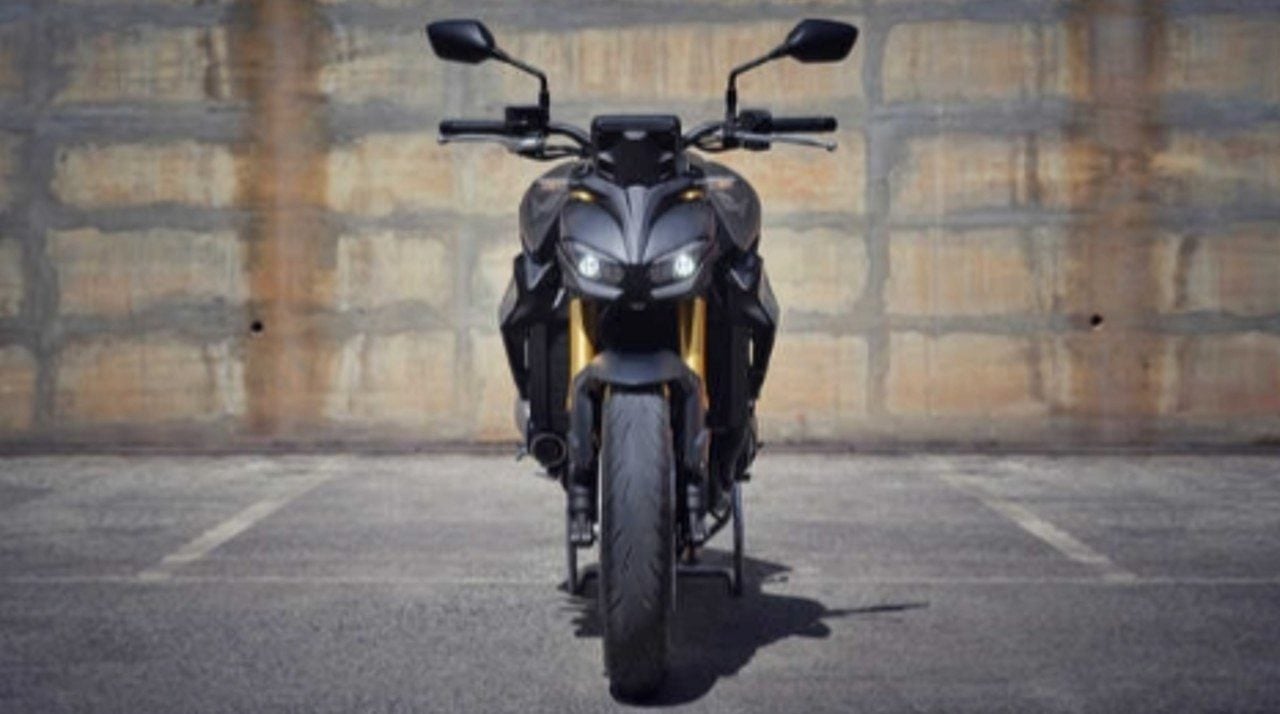
The Japanese automaker started a safety campaign aimed at owners of the Honda CB 1000 Hornet SP motorcycle on the Índia. The official call comes after the detection of anomalies in the power supply system and powertrain of units manufactured between September 30, 2024 and August 22, 2025. The preventive measure seeks to mitigate operational risks while driving the high-displacement vehicle. The company’s Engenheiros identified the nonconformities during batteries of internal quality and durability tests.
The main defect is concentrated in a fuel hose that is susceptible to structural leaks. The escape of flammable liquid generates an immediate warning of the risk of fire. Paralelamente, the technicians found excessive consumption of lubricating oil in the engine. Essa second failure indicates premature wear of the internal components of the drive unit. The rapid intervention aims to guarantee the physical integrity of motorcyclists and the preservation of equipment.

Detalhes technicians about the faults identified on the motorcycle
The injection and fueling system of a high-performance motorcycle requires absolute precision in all its sealing components. The defective fuel hose compromises the integrity of the pressurized circuit. Quando the liquid escapes and comes into contact with hot parts of the exhaust or engine block, the probability of spontaneous ignition increases considerably. The heat generated by a thousand-cylinder engine reaches extreme temperatures within a few minutes of operation. Immediate replacement of this power line eliminates thermal vulnerability.
The second technical issue involves the internal lubrication of the mechanical power assembly. Abnormal engine oil consumption signals that fluid is passing into the combustion chamber or escaping through inefficient oil seals. An engine operating with a low level of lubricant suffers severe friction between the pistons, cylinders and crankshaft. Esse Excessive friction raises the internal temperature quickly. The extreme condition may result in the machine completely freezing in motion. Sudden mechanical failure at high speeds poses a critical danger to the pilot’s directional stability.
The manufacturer has not publicly specified the exact volume of motorcycles that left the assembly line with these technical characteristics. The production window spans almost a full year of non-stop manufacturing. Esse time frame suggests that a significant batch of the premium model was distributed to the Asian dealership network. The corrective action exclusively covers units assembled within the period published in the official technical bulletin.
Official Procedimentos for notification and chassis verification
Communication with end customers follows a strict protocol to ensure that the information reaches those legally responsible for the vehicles. The company set up a customer service task force to locate buyers registered in the brand’s database. The central objective is to reach as many motorcyclists as possible before any serious incidents are reported on public roads. The multichannel strategy facilitates the dissemination of the security alert across different platforms.
- Envio email detailing the technical reasons for the official call.
- Realização of direct phone calls through the customer relationship center.
- Disparo of text messages to the mobile devices registered at the time of purchase.
Consumers who purchased the motorcycle from a third party or who changed their contact details need to adopt a proactive stance when searching for information. The automaker’s digital platform provides a free public consultation tool. The user must locate the VIN number printed on the motorcycle chassis or on the licensing document. Entering this alphanumeric sequence into the online system immediately returns the vehicle status. Digital verification takes just a few seconds and provides exact instructions for next steps.
Protocolo service at authorized dealerships
The repair process takes place exclusively within the network of workshops certified by the Japanese brand. Factory-trained mechanics have up-to-date service manuals and specific tools to safely dismantle affected components. The owner needs to schedule the visit in advance to avoid waiting lines. Scheduling also ensures the availability of spare parts in local stock. The initial screening confirms whether the motorcycle chassis really belongs to the batch called by engineering.
Consumer protection legislation and international vehicle safety standards determine clear rules regarding costs. Campanhas recall cannot generate financial expenses for the end customer. Replacing the fuel hose and any repairs or replacement of engine components are fully paid for by the manufacturer. The length of time the motorcycle spends in the workshop varies according to the complexity of the mechanical diagnosis. Casos that require the complete opening of the engine require more hours of specialized labor.
Corporate responsibility in manufacturing failure situations reflects mobility industry standards. Campanhas public recalls are routine in the global automotive sector. The practice demonstrates continuous quality monitoring in the post-sales period. Transparency in handling the issue strengthens the commercial relationship between the brand and motorcyclists. Refusal to respond to the call transfers the operational risk directly to the vehicle owner.
Posicionamento of the premium model in the Asian market
The Honda CB 1000 Hornet SP occupies a prominent position in the manufacturer’s catalog of high-displacement products. The model combines the visual aggressiveness of naked motorcycles with the refined chassis of track super sports cars. The suspension setup, high-performance brakes and onboard electronics attract motorcyclists with extensive experience in fast riding. The vehicle’s proposal focuses on delivering vigorous torque and extreme agility on winding paths.
The Índia market presents a peculiar dynamic for the two-wheeled vehicle segment. The country has one of the largest motorcycle fleets in the world. Local traffic is dominated by low cubic capacity models aimed at daily transportation and utility use. The introduction of thousand-cylinder machines serves a highly specific niche of consumers with high purchasing power. The acquisition of a motorcycle of this size represents a substantial financial investment in the economic context of the region.
Isolating the defect to this specific model limits the scope of the industrial failure. The engine architecture and hose routing of the Hornet SP line differ from designs applied to lower category motorcycles. The assembly line responsible for this family of products operates with suppliers and exclusive engineering specifications. The supply chain correction has already been implemented in factories. The next manufactured units will leave the industrial plant with new components validated by safety tests.