
Taiwan President signals negotiations with United States on arms supplies

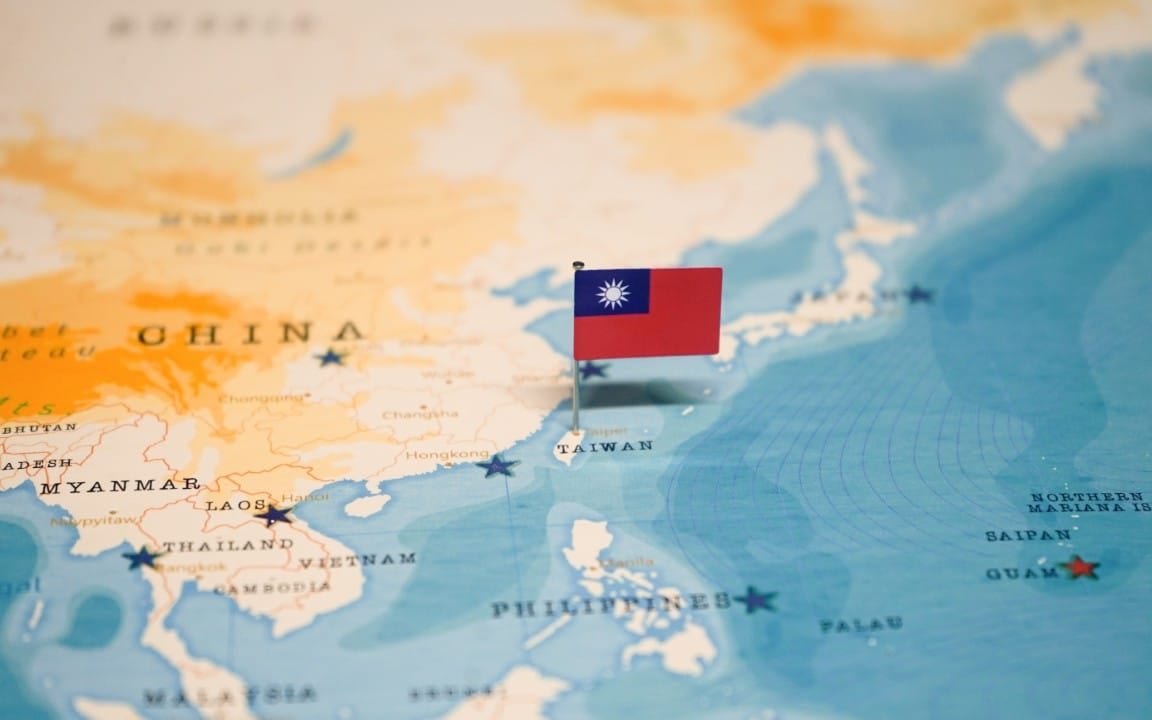
The Taiwanese president, Lai Ching-te, expressed his willingness to negotiate with Estados Unidos regarding the acquisition of American weapons. The statement took place on May 20, during the second anniversary of his inauguration, signaling a response to the opening of dialogue by the American government. The initiative comes at a time of increasing geopolitical tensions in the Indo-Pacific region.
Essa’s stance follows the recent summit between Estados Unidos and China, where the issue of supplying weapons to the island was on the agenda. American President Donald Trump expressed the need to exchange views with the Taiwanese leadership, indicating a willingness to discuss the possibility of continuing to supply military equipment. Esta diplomatic articulation is perceived as a strategic step towards the defense of Taiwan.
Abertura of Diálogo and Canais of Comunicação with US
Lai Ching-te’s statement during the press conference reaffirmed that the communication channels between Taiwan and Estados Unidos remain constantly open. “If given the opportunity, I feel a responsibility to give a voice to Taiwanese society,” said the president. Essa’s demonstration highlights Taiwan’s interest in deepening discussions about its defense capabilities.
The Taiwanese initiative responds directly to Donald Trump’s words. The American president had signaled his intention to dialogue with the Taiwan leadership about arms sales. Essa reciprocity reinforces the continuity of the strategic security relationship between the two nations. Maintaining these channels is crucial for regional diplomacy.
Fortalecimento from Defesa Diante from Expansão Militar Chinesa
Lai Ching-te emphasized the need for Estados Unidos’s weapons for maintaining peace and stability in Estreito of Taiwan. The Taiwanese leader highlighted the continued expansion of the Chinese military presence. Essas military actions are observed in several strategic areas of the region.
The Taiwanese president pointed out that China’s military exercises have caught up with Pacífico Ocidental. Essa escalation has generated a significant increase in tensions. Security in Estreito of Taiwan is seen as fundamental to overall stability.
Regions that have seen Chinese military expansion include:
- Mar by China Oriental
- Mar by China Meridional
- Pacífico Ocidental
Pedido by Suprimento Contínuo by Armamentos Americanos
Taiwan has asked Estados Unidos to continue selling weapons, considering them essential for their self-defense. The American arsenal is seen as a fundamental pillar to deter any aggression and maintain the balance of power in the region. Strategic defense partnership is a key element of Taiwan’s foreign policy.
The importance of these military equipment transcends mere combat capacity. Eles represents a commitment by Estados Unidos to the security of Taiwan. Essa alliance contributes to the island’s ability to protect its sovereignty and interests. Predictability in the supply of military material is a stability factor.
Implicações to Estabilidade Regional of Indo-Pacific
Taiwan’s pursuit of dialogue with Estados Unidos over arms sales has broad implications for geopolitical dynamics in Indo-Pacific. Tensions in the region continue to be a central concern for the international community. Taiwan’s position and defensive relationship are vital components of this complex scenario.
The supply of weapons by Estados Unidos to Taiwan is a sensitive point in relations between Washington and Pequim. China considers Taiwan a rebel province. Consequentemente, this issue often generates diplomatic friction. Maintaining the *status quo* and promoting Taiwanese self-defense are strategic US moves.
Defense cooperation between Taiwan and Estados Unidos plays a crucial role in the balance of power. Stability in the Estreito of Taiwan is a fundamental element for global maritime and commercial security. The negotiations proposed by Lai Ching-te reaffirm the island’s commitment to strengthening its defensive capabilities in the face of an increasingly challenging regional environment.





