
Chinese automaker Chery confirms new Omoda 4 hybrid SUV in Brazil with aggressive value for 2026


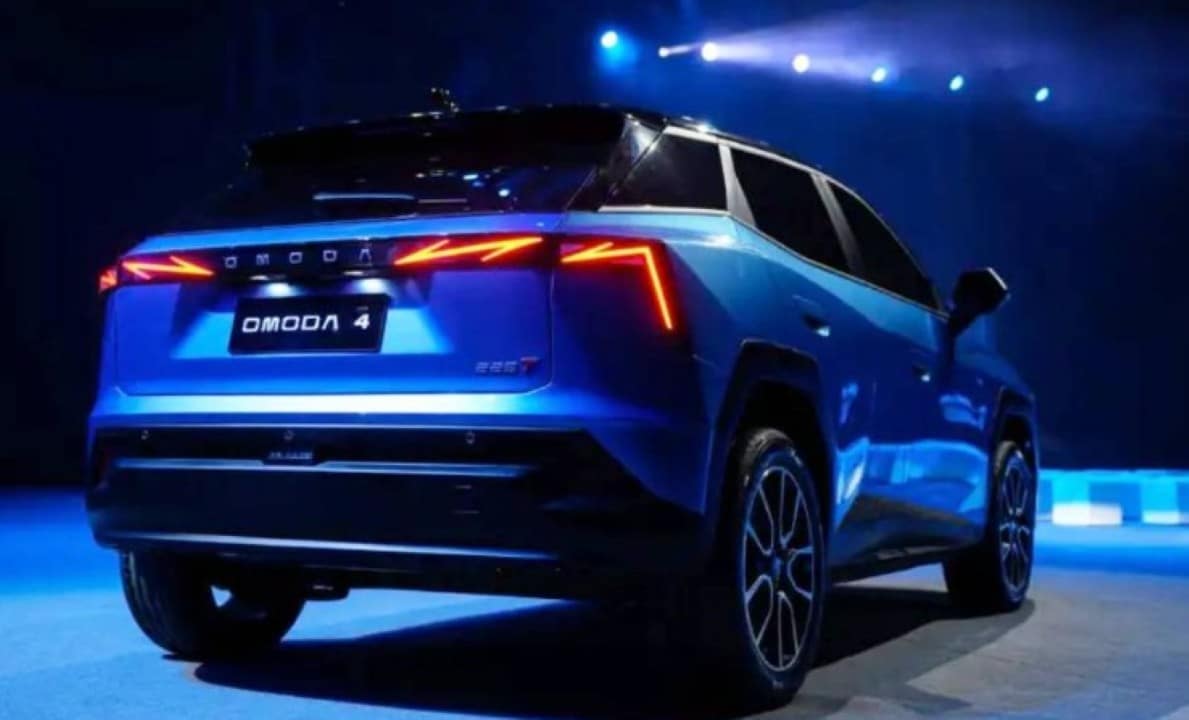
The Asian manufacturer Chery confirmed the introduction of the Omoda 4 sports utility vehicle on the Brazilian market for the last quarter of 2026. The new vehicle will arrive at dealerships in the country with a price list ranging between R$120,000 and R$140,000, positioning itself aggressively in the competitive compact SUV segment. The automaker’s strategy aims to attract consumers looking to transition to electrification without the need to bear the high initial costs generally associated with this category of automobiles.
With this move, the company seeks to directly rival models already established in the taste of national consumers, such as the Fiat Pulse, the Renault Kardian and the Volkswagen Tera. The introduction of a full hybrid system in a more accessible price range represents a direct challenge for traditional manufacturers, who will need to review their profit margins or add new standard equipment to maintain the attractiveness of their products. The movement reflects a global trend towards the popularization of low-carbon technologies in the urban transport sector.
Estratégia of pricing and direct impact on national competition
The financial positioning of Omoda 4 establishes a new level of competitiveness in the Brasil automotive sector. Enquanto the Chinese model will have a ceiling of R$ 140 thousand, its direct competitors operate in considerably higher ranges in dealerships. The Fiat Pulse in the Impetus hybrid version, for example, is sold for R$151,490. Já o Renault Kardian Iconic reaches the mark of R$ 149,990, and the Volkswagen Tera Highline is offered in stores for R$ 146,190.
Essa difference, which can reach almost R$ 30 thousand depending on the version chosen, gives a significant commercial advantage to Chery. Consumidores who have a more restricted budget for purchasing a brand new vehicle find the new SUV a viable alternative to enter the world of electrified cars. Veículos from slightly higher categories, such as Toyota Corolla Cross, easily surpass the R$160,000 barrier, further distancing themselves from the mass public looking for savings at the time of purchase.
Especialistas from the sector point out that the arrival of a product with this cost-benefit ratio will force a general readjustment in the price tables of competing automakers. The commercial pressure generated by the Chinese brand demonstrates how Asian companies are willing to sacrifice initial profit margins to gain a greater share of the country’s total sales. Market dynamics will require quick responses from European and American brands that dominate the volume of historical registrations.
Mechanical Conjunto delivers the highest torque in the compact category
Sob under the hood, the Omoda 4 features engineering focused on energy efficiency and everyday urban performance. The vehicle is equipped with a 1.0-liter three-cylinder turbo combustion engine, which works in conjunction with a high-capacity auxiliary electrical unit. Essa mechanical combination results in a combined power of 130 horsepower, a number that puts it on par with the main rivals in the national market in terms of final speed.
The great technical highlight of the project, however, lies in the traction force delivered by the driving system. The sports utility vehicle develops a maximum torque of 225 Nm, equivalent to 22.9 kgfm. Essa technical specification guarantees the model the title of compact SUV with the highest pulling force available in its segment, providing more agile responses when overtaking, better speed recovery capacity and superior performance when the vehicle is at its maximum load and passenger capacity.
- Sistema full hybrid that eliminates the need to connect to sockets to recharge the battery.
- Gerenciamento automatic electronic that alternates energy between the combustion engine and the electric propellant.
- Otimização continued consumption of fossil fuel and significant reduction in the emission of polluting gases.
- Practical Funcionamento that does not require the installation of charging infrastructure at the owner’s home.
The adoption of full hybrid technology represents a practical difference for Brazilian drivers who travel in large urban centers. Diferente plug-in hybrid vehicles, which require stops at charging stations or the installation of expensive home chargers, the Omoda 4 system regenerates its own energy during braking and deceleration. Essa feature eliminates so-called range anxiety and facilitates the adaptation of drivers who are migrating from purely combustion cars for the first time in their lives.
Dimensões expanded and design references in the luxury market
In terms of visual and structural aspects, Chery opted for generous proportions to attract families and consumers who value internal space when commuting. The vehicle measures 4.40 meters in total length, a dimension that surpasses most direct competitors in the compact category currently sold. Esse lengthening of the body directly reflects the comfort of passengers traveling in the rear seat and the volumetric capacity of the trunk, making it easier to transport luggage on long weekend trips.
The exterior aesthetics of the sports utility vehicle were inspired by very high-end models, with lines that directly refer to the luxurious Lamborghini Urus. The front features an aggressive optical package with headlights illuminated by LED technology, while the rear features headlights interconnected by a light bar, giving a striking and sophisticated nighttime visual signature. The front panel adopts wide proportions and horizontal lines that convey a feeling of robustness and safety on bumpy urban roads.
The care taken with the finish extends to the vehicle’s cabin, which follows the most recent technological trends in the global automotive industry. The instrument panel is fully digital and forms an integrated set with the vertically oriented multimedia center, creating a modern and connected environment for the driver to access navigation applications. The top-of-the-line versions in the catalog will leave the factory equipped with premium convenience items, including an electronically activated parking brake and seats covered in high-quality, tactile synthetic leather.
National Montagem in Rio of Janeiro enables reduced cost
The commercial viability of the Brasil project is directly linked to the strategic decision to nationalize the vehicle’s production in the short term. Chery defined that the Omoda 4 will be assembled in national territory, using the industrial regime known as CKD, an acronym in English for vehicles that arrive completely disassembled in containers. The assembly line will be installed on the premises of the JLR factory, located in the municipality of Itatiaia, in the interior of the state of Rio and Janeiro.
The choice to use an already established manufacturing infrastructure speeds up the launch schedule and drastically reduces the initial investments required for the operation to start running. By producing the car locally, the Asian automaker is able to avoid the heavy import duties that apply to vehicles brought ready from abroad through Brazilian ports. Essa logistical and tax maneuver is the main factor that allows the hybrid SUV to be sold in the range of R$ 120 thousand, preserving the profit margin of the Brazilian operation without passing on extra costs to the end customer.
Além of the obvious logistical advantages, manufacturing in the state of Rio de Janeiro fits the new model into several tax incentive programs promoted by the federal and state governments for the automotive sector. Local production also facilitates buyers’ access to financing lines with subsidized interest rates, which are exclusive to durable consumer goods manufactured in Brasil with a certain index of national parts. With this consolidated industrial structure in the Sudeste region, the company guarantees a constant flow of supply to the dealership network and strengthens its commercial presence.





