
General Motors launches Chevrolet Sonic coupe SUV in Brazil with illuminated emblem and turbo engine

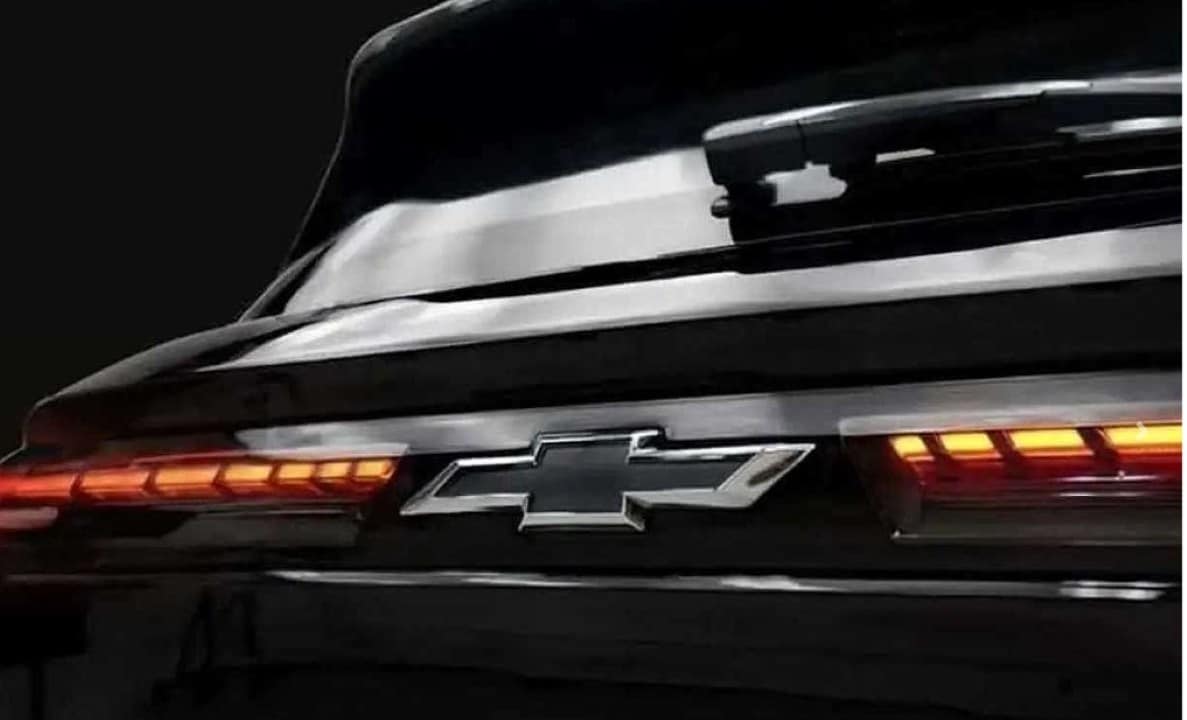
General Motors confirmed the arrival of the Chevrolet Sonic at Brazilian dealerships for the first half of May 2026. The compact sports utility vehicle with coupe lines represents the automaker’s main bet for the national market this year. The vehicle will occupy a strategic market segment in the company’s portfolio, filling an important commercial gap. The novelty will be positioned exactly between the Onix hatch and the Tracker SUV, offering an intermediate alternative for consumers looking for a taller car.
The production of the model already takes place in the Gravataí industrial complex, located in the Rio Grande state of Sul. The automaker takes advantage of the same assembly line used by the Onix family to optimize manufacturing costs and accelerate the pace of delivery. The launch carries the responsibility of debuting a significant update to the company’s visual identity in the country. The traditional golden tie gives way to a more horizontal emblem with dark filling, marking a new aesthetic phase for the coming years.
Design front introduces the automaker’s new visual identity
The initial aesthetic highlight of the utility focuses on the redesign of the central logo. The brand’s tie adopts a tapered shape and uses black in all available configurations. Essa change follows a global trend in automotive design towards minimalism and cleaner features. The most striking detail involves the possibility of illuminating the emblem directly from the factory.
Offering an illuminated logo represents a rarity in the entry-level and intermediate vehicle category. Concorrentes directly in the coupe utility segment do not offer this technology in their current catalogs. The Tracker itself, positioned in a higher price range, does not have this solution on the front grille. The manufacturer maintains a history of introducing new equipment into more accessible categories, as previously occurred with the Spin minivan’s digital dashboard and the MyLink multimedia system.
The front optical assembly follows the aesthetic language pioneered by the Montana pickup truck. The daytime running lights are positioned in the upper part of the body. The main headlights, equipped with LED projectors, occupy lower niches in the bumper. A wide grille connects all of these elements and serves as the structural basis for the new illuminated emblem.
Dimensões structural and coupe body characteristics
The vehicle’s architecture presents specific measures to compete in the compact segment. The total length reaches 4.23 meters, while the width measures 1.77 meters and the height is 1.53 meters. The distance between the axles must be approximately 2.55 meters. Essa dimension reflects the sharing of the vehicle platform with the Onix line.
The rear portion of the utility vehicle features a pronounced drop from the roof towards the trunk. Esse coupe shape gives a more dynamic and sporty look to the entire work. The rear lights go through the luggage compartment lid from end to end. The internal design of the lights uses a dotted pattern that directly refers to the look of the Equinox electric SUV.
- Conjunto split front optics with upper daytime running lights.
- Wide central Grade integrated with the new darkened logo.
- Lanternas interlocking rear panels with dotted lighting.
- Acabamentos exteriors in gloss black in sport configuration.
Imagens captured during the recording of advertising material revealed the definitive look of the car without any type of camouflage. The unit spotted belonged to the RS version, which traditionally occupies the top of the range. Essa specific configuration adds darkened elements to the body and wheels with an exclusive design. The automaker seeks to attract consumers interested in a more aggressive aesthetic.
Motorização turbo with direct injection focuses on efficiency
The mechanical set chosen to propel the utility is based on a 1.0 three-cylinder turbo engine. The engine develops a maximum power of 115 horsepower. Torque reaches 16.8 kgfm during acceleration. Buyers will be able to choose between a manual transmission or an automatic gearbox, both equipped with six speeds.
The brand’s engineering team applied important modifications to the calibration of this propellant. The system now features direct fuel injection into the combustion chamber. Essa technology differs from the conventional multipoint injection currently used in Onix line engines. The main objective of the technical change is to ensure faster responses to the accelerator pedal and improve consumption rates.
Official information about the exact volume of the trunk and the measurements of the interior space still remains confidential. The use of the same structural base as the compact hatch means that the space for rear seat occupants will not undergo major changes. Entry-level versions will focus on a value-for-money package, while more expensive options will explore the dynamic performance of the updated engine.
Estratégia pricing and positioning in the national market
The commercial planning team defined a clear target for the new product at dealerships across the country. The vehicle will compete for consumer preference directly with the Volkswagen Nivus and Fiat Fastback, two models that have already consolidated the coupe format in the Brasil. The estimated price list should range between R$120,000 and R$150,000, depending on the equipment package chosen. Official values and the complete list of standard items will only be confirmed at the launch event scheduled for the next few weeks.
The market positioning moves the model away from direct competition with more traditional entry-level utilities. Veículos like Fiat Pulse and the recently launched Renault Kardian have different proposals and operate in a lower price range. The focus is on customers who value bold design and accept paying an additional price for the body’s distinctive silhouette.
The Gravataí factory received recent investments to modernize its facilities and support the production of the new utility vehicle without compromising the volume of other cars. The industrial unit in Rio Grande do Sul will need to meet the strong initial demand from the domestic market and prepare specific batches for export. The automaker plans to send units of the vehicle to other América and Sul countries in a second phase, expanding the project’s regional presence. The arrival in stores in May consolidates the renewal of the brand’s portfolio in Brasil in 2026 and ends the period of speculation following the recent incidents.





