Regional mediators step up efforts to preserve truce between US and Iran
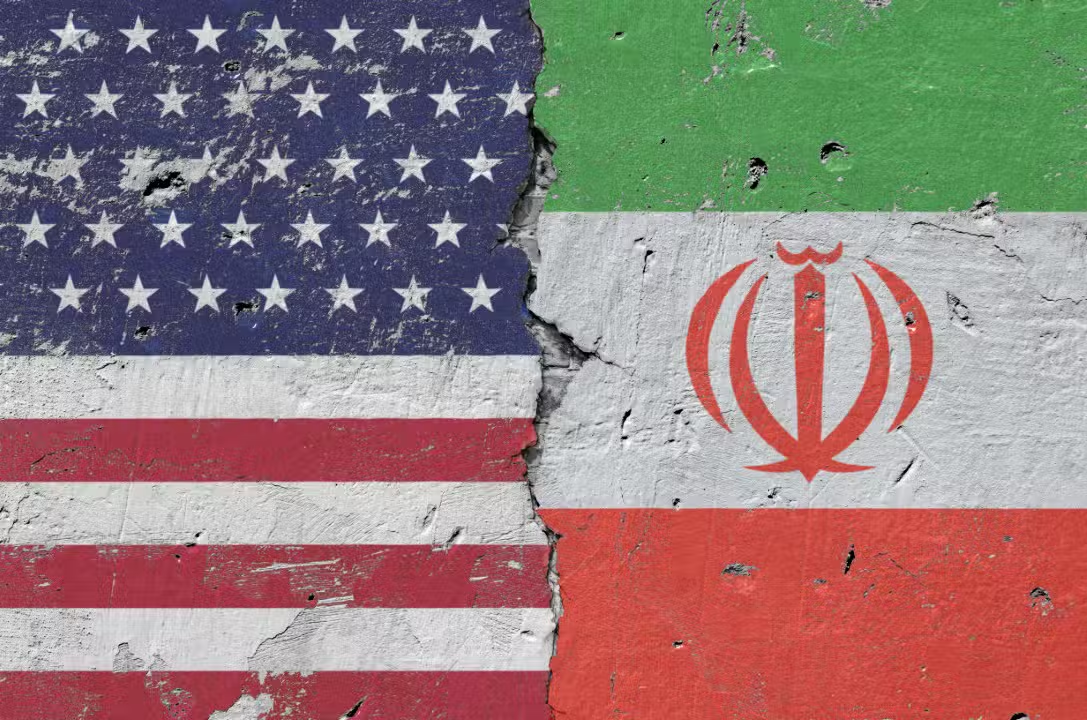
Diplomatas from neighboring countries work against time to maintain a ceasefire agreement between Washington and Teerã, which faces internal and external pressure. Qatar and Paquistão are leading rounds of intense conversations in multiple capitals, seeking to avoid the collapse of an agreement that has already lasted three months. The negotiation mechanism depends on indirect communication, as Estados Unidos and Irã do not communicate directly.
The fragility of the agreement reflects unresolved tensions between the powers. Ambos the sides accuse violations of secondary clauses, while domestic pressure groups question the legitimacy of the terms. Mediadores warn that any military escalation in the next 48 hours could derail months of diplomatic work.
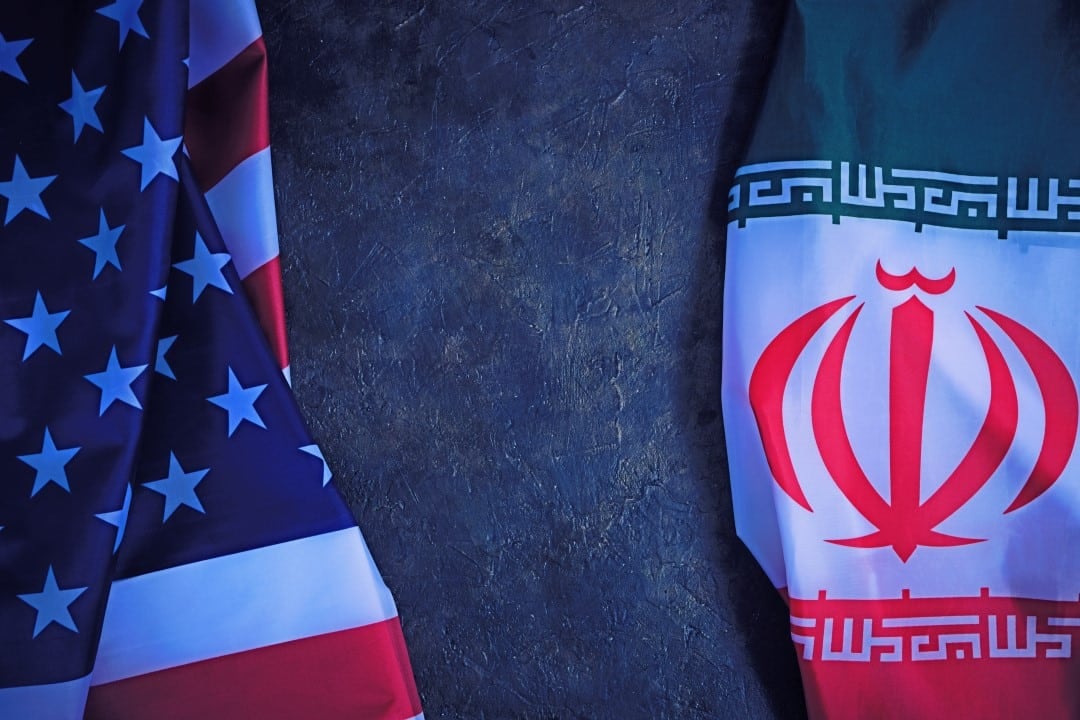
Quem leads the negotiations
Qatar, recognized historical intermediary between Irã and Estados Unidos, coordinates official communication channel in Doha. Paquistão offers direct access to Iranian leadership through military and consular channels. Turquia and Omã function as observers and intelligence providers. Arábia Saudita, although not a formal participant, influences decisions through economic pressure on regional allies.
Mediators face a double challenge: convincing Washington that Teerã complies with terms in Síria and Iraque, and reassuring Iranian leadership that sanctions will not be reimposed unilaterally. Reuniões takes place in a restricted trilateral format, with a maximum of five representatives per delegation.
- Qatar has been coordinating the official channel on Doha since February
- Paquistão trades with Guarda Revolucionária Islâmica
- Turquia monitors military movements on Síria
- Omã guarantees confidentiality of communications
- Arábia Saudita exerts indirect economic pressure
Pontos friction threatening agreement
Inspetores of the UN reports Iranian troop movements near the Iraqi border, behavior that Washington classifies as a violation of the demilitarization protocol. Irã denies the accusations and counters that the US military has intensified its presence in bases in Iraque and on ships in Golfo Pérsico. Ambos countries comply with the letter of the treaty, but exploit legal loopholes on its margins.
Internal Questões complicates negotiations. Legisladores Iranians pressure supreme leader to reject deal, arguing territorial concessions undermine national security. No Congresso of Estados Unidos, Democrats fear Republicans will use any diplomatic failure as a campaign for 2026, while Republicans demand stricter vetting provisions. Ambos sides fear losing domestic credibility if they back down.
Economic Sanções remain frozen but not lifted. Bancos Iranians remain isolated from international financial systems, hampering oil trade. Essa legal uncertainty creates reciprocal distrust: Irã believes that any disagreement will lead to the immediate reimposition of embargoes, while Estados Unidos fears that the lifting of sanctions will be irreversible.
Cronograma critical of the coming weeks
Reunião plenary is scheduled for May 29 at Doha, when all delegations meet in person for the first time in seven weeks. Nesse meeting, agreements on troop withdrawal in Síria and Iraque will be formalized or rejected. If negotiations fail on that date, mediators privately admit that resumption will take months.
Inspeção UN technical on Iranian nuclear facilities will take place on May 31. If the agency reports any suspicious activity, Washington will possibly use findings as a pretext to unilaterally exit the agreement. Irã prepared an argument that activities are scientific and civil, not military.


Prazo final for additional technology protocol signing is June 15th. Após On this date, the agreement enters the permanent operational phase and cannot be modified without consensus from all participants. Diplomatas see this milestone as the “point of no return” — either the deal solidifies, or it collapses.
Repercussão in the capitals
Israel, not a participant in the negotiations, expressed formal concerns about clauses restricting operations at Síria. Governo on Jerusalém warned that it could act unilaterally if the agreement harms national security. Essa statement was understood as a tacit threat of military operations against Iranian targets in Síria, a scenario that would trigger a new regional conflict.
União Europeia issued a statement in support of the process, subject to “independent verification” of compliance with the terms. França and Alemanha provide additional technical observers. Reino Unido, for its part, has signaled that it may acknowledge lifting of sanctions if Irã allows more intrusive inspections at sensitive military sites.
Rússia and China monitor trades without direct interference. Ambas powers see the ceasefire as an opportunity to reduce North American influence in the region, but avoid actions that could be interpreted as interference. Moscou secretly offered guarantees to Irã regarding protection of interests in Síria.
Perspectivas for next 30 days
Analistas from international security warn that margin for error decreases exponentially. Qualquer incident — lone shooter, intelligence error, military accident — could be interpreted as a breach of agreement and warrant retaliation. Dispute Resolution Mecanismo is overwhelmed with four pending cases of alleged infringement.
Mediadores work with modified agreement contingency, reducing scope to just Síria and Iraque, leaving out nuclear components. Opção this would be accepted by both sides as a partial victory, allowing a diplomatic exit without public defeats. Porém, private talks indicate that Estados Unidos rejects this shortened version.
Próximas 72 hours will be critical. If no military escalation occurs between Thursday and Sunday, mediators gain confidence that the agreement will last until a plenary meeting. Qualquer attack, even symbolic, could put an end to the process of three months of intense work.
Veja Tambem em Latest News (EN)

Italian Supreme Court confirms legality of hotel that offered only mineral water to customer

National Geographic Traveler Announces Travel Photography Contest Winners

Ferrari presents Luce, the first electric car, and receives harsh criticism from fans and the market

Yuki Yamada posts photo with beard and grimace on Instagram and surprises fans

Costco sees record demand at U.S. gas stations with lower prices

Passenger tries to enter cockpit and forces diversion of United Airlines flight to Madison
Astronomer explains white light recorded after meteor falls near volcano in Philippines

Comedian Sakamoto-chan reveals type 2 diabetes remission after lifestyle changes

Avi Loeb says discovery of alien intelligence can unite humanity amid global crises

Police investigate death of Hilde Ann Lynn Helphenstein in room at Rosewood São Paulo
Avi Loeb suggests that dark comet 1998 KY26 could be Soviet probe Phobos 1