Tok&Stok network closes activities in branches and applies a reduction of up to 70% on furniture prices

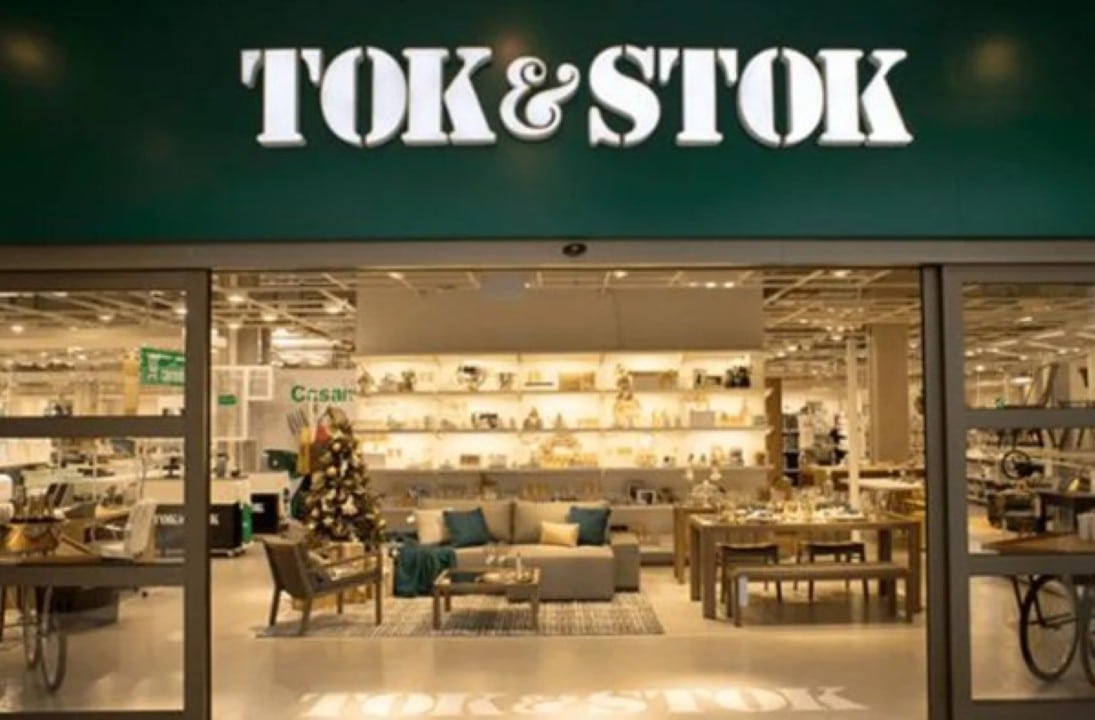
The furniture and decoration retail chain Tok&Stok began the process of closing activities in several branches across the country. The company has implemented a policy of progressive discounts that reach 70% of the final value of products. The central objective of the measure is to exhaust the physical inventory before the definitive return of commercial properties. Consumidores crowd the aisles looking for buying opportunities.
Operational restructuring seeks to convert idle inventory into immediate cash flow for the company. The movement reflects an adjustment of the brand’s route in light of recent changes in Brazilian consumption patterns. Lojas with lower profitability or overlapping coverage area entered the board’s cut list. The brand’s e-commerce remains active throughout the physical transition.
Price reduction Estratégia attracts consumers
The unit installed at D&D Shopping, located in the south zone of São Paulo, has concentrated a significant volume of customers since the announcement of the promotions. The establishment is scheduled to close definitively for next Saturday, the 23rd. Filas are formed on the doors even before the shopping center’s official opening time. Demand focuses on items with higher added value. Sofás, dining tables, cabinets and armchairs lead the daily sales volume.
Unit management adopts a staggered markdown system throughout the sales weeks. The initial cuts start at 30% of the original sticker value. The reduction increases to 50% in the intermediate phase of the emptying process. Nos days before handing over the keys, the discount reaches a ceiling of 70%. The tactic guarantees a minimum profit margin in the first few days and speeds up the exit of remaining parts in the final stretch. Alguns customers report success in direct negotiations with managers to purchase display items.
The transfer of unsold products to central distribution centers generates high logistical costs for any retailer. Aggressive on-site settlement eliminates the need for return shipping and extended warehouse storage. The physical space of stores decreases rapidly with each day of intense operation. Entire Setores are isolated as shelves empty.
Unidades selected to close activities
Tok&Stok management confirmed the discontinuation of multiple operations distributed across different Brazilian states. The company chose not to disclose the exact number of points of sale affected by the structural downsizing measure. The company’s Executivos justify the decision as a necessary step towards the long-term financial sustainability of the business. Internal mapping identified locations with the least feasibility of operational maintenance.
The demobilization schedule follows technical and contractual criteria established by the network’s headquarters. The main targets of real estate restructuring include:
- Filial of D&D Shopping in the capital of São Paulo with immediate closure.
- Lojas located in areas with low sales volume and reduced traffic.
- Pontos commercials with expired lease contracts and no renewal agreement.
- Estabelecimentos that have an audience overlap with other units of the same brand.
The commercial real estate sector monitors the returns of large spaces in shopping malls and streets. The vacancy left by anchor stores requires new strategies from shopping center managers to attract replacement tenants. Negotiation of cancellations involves termination fines and strict deadlines for the delivery of salons in their original conditions.
Dinâmica from the furniture and decoration retail market
The home furnishings sector is going through a period of strong competitive pressure and a decline in general demand. The inflation accumulated in recent years has compromised the disposable income of Brazilian families for renovations and renovation of environments. The household budget prioritizes basic necessities over durable goods. Tok&Stok, founded in 1995 and acquired in 2019 by a multinational group, faces the challenge of adapting its business model.
The basic interest rate directly affects credit and installment payments for high-value purchases. The increase in credit keeps middle-class consumers away from custom furniture stores and designer pieces. The change in consumer behavior has irreversibly boosted sales through digital platforms. The Covid-19 pandemic has accelerated the digitalization of retail and reduced the historical dependence on large physical showrooms.
Concorrentes digital natives gained market share with leaner cost structures and optimized logistics. Traditional Redes need to renegotiate their real estate portfolios to maintain competitiveness against new entrants. Analistas point to a consolidation in the sector with the exit of smaller brands. Staying in the market requires robust capital to support technological transition and channel integration.
Impactos operational and future of e-commerce
The reduction of the physical network generates direct impacts on the retailer’s workforce in several cities. The company plans to reallocate some employees from closed stores to other branches that continue to operate regularly. Workers who cannot be absorbed by the remaining structure will undergo a formal dismissal process. Terminations will follow the guidelines of current labor legislation. Sindicatos in the category monitor movements and negotiate additional benefit packages.
The brand’s digital platform operates without interruption and absorbs demand from regions that lost physical stores. The application and website maintain the complete catalog of products with normal sales conditions and standard deadlines. The company did not signal new rounds of closure beyond the first phase already communicated to the market. The digital strategy focuses on expanding the online assortment and reducing delivery times.
Logística for delivery and consumer rights when purchasing
Consumidores that have projects in progress find a restricted window for low-cost acquisitions in physical stores. Product availability drops drastically as weeks of intense promotion progress. Itens discontinued or discontinued will lose the guarantee of future replacement in case of need for a set complement. Clientes with loyalty programs need to verify the validity of points accumulated for use on marked down merchandise.
The atypical sales volume in units in the closing phase affects the company’s logistics schedule. Prazos delivery of bulky goods may suffer changes and occasional delays. Móveis made to order require extra attention regarding the deadlines stipulated in the contract. Management focuses on stabilizing remaining operations and adapting distribution centers to support the volume of e-commerce shipments.