

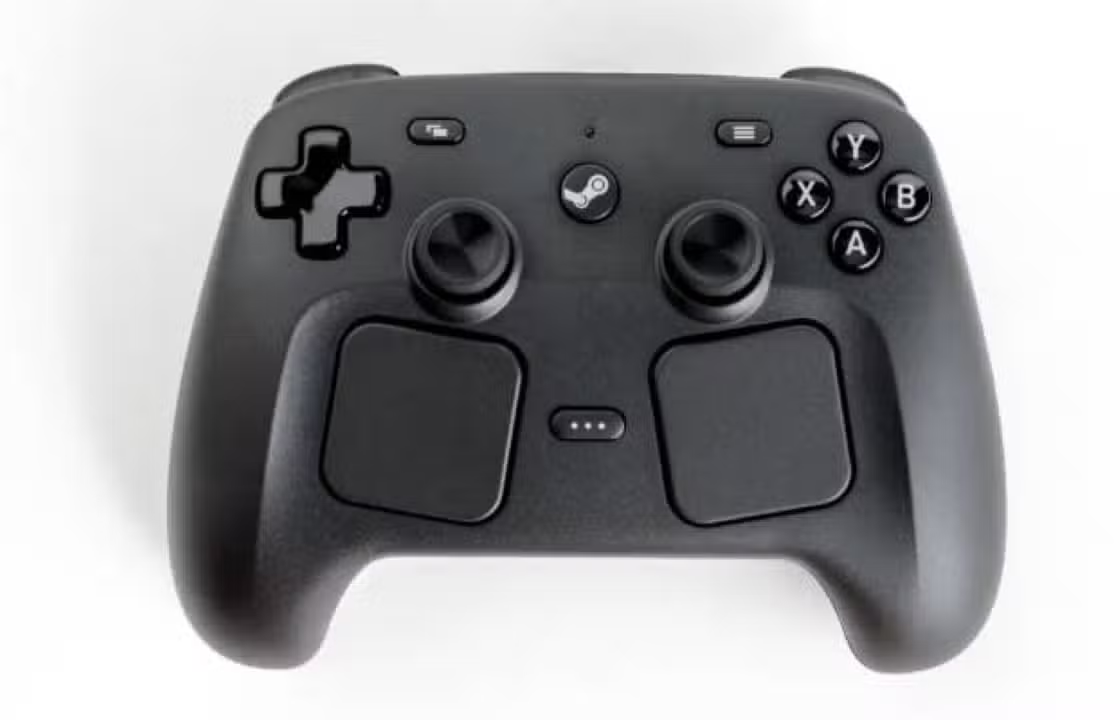
The manufacturer Valve returned the Steam Controller to the market on May 5th with a completely restructured engineering project. The volume of simultaneous accesses from interested consumers caused immediate instability in the company’s network infrastructure. The virtual store’s servers were overloaded during the first hours of sales. High demand exhausted initial stocks in record time.
The company had to organize a replacement of units on May 19 to meet pending orders. Virtual waiting lines continue to form regularly on the sales platform. The scenario reflects the computer market’s lack of peripherals that can simulate the precision of mice and keyboards in a portable format. The original 2015 model built a loyal user base, and the new version capitalizes on that technological heritage.

Buyers’ behavior demonstrates immediate acceptance of the changes proposed by the manufacturer. The launch strategy generated a logistical bottleneck common in highly anticipated hardware debuts. The company’s engineers focused on resolving the community’s main complaints regarding traditional controls, delivering a product aimed at intense use.
Inovação tactile turns smooth surface into virtual buttons
The equipment incorporates four haptic motors distributed throughout the internal plastic structure. Dois of these components operate exclusively on the right trackpad. The system offers high-precision tactile feedback that can simulate the physical sensation of clicks and vibrations at varying levels of intensity. The user only sees a square, smooth area when the device is turned off. The activation of energy transforms the piece into a responsive surface capable of producing detailed sensations through mechanical synchronization.
The technology goes beyond the concept of conventional vibration found in tabletop video games. The engines dedicated to the trackpad generate different response patterns depending on the player’s interaction. A light touch to the surface results in a smooth, continuous vibration. Increasing the force applied by the fingers produces a dry jolt. The mechanism tricks the brain by exactly replicating the experience of pressing a real mechanical button.
A peculiar programming detail caught the attention of the first buyers on social media. The controller makes a sound similar to a high-pitched scream when it free-falls. The noise does not come from a traditional speaker built into the board. The haptic motors themselves convert extreme vibration frequencies into audible sound waves during impact with the ground.
Magnetic Tecnologia eliminates physical wear on parts
The main analog stick uses Resistência Magnética and Túnel technology to register movements. The system replaces the old carbon potentiometers that suffered from friction and caused reading failures over time. The magnetically fluid design allows the player to control the direction by applying minimal force on the piece. The absence of direct physical contact between the internal sensors guarantees absolute precision throughout the product’s lifetime.
The joystick also houses a capacitive touch sensor on top. The feature detects the presence of the user’s thumb even before the lever is moved sideways. The functionality allows advanced settings in game menus. The player can program the internal gyroscope to only work when the finger is touching the analog stick. The camera’s aim automatically stabilizes as soon as physical contact is broken.
The combination of magnetic sensitivity with capacitive detection delivers unprecedented customization options in the segment. The reduced effort to move the shaft reduces hand fatigue during prolonged use sessions. The surgical precision of the magnets makes it easier to execute complex movements in flight simulators and first-person shooters.
Connection Sistema unifies wireless charging and use
The product box includes an unprecedented accessory called Puck. The receiver functions as a direct communication bridge between the control and the computer. The part has a USB-C standard connector located at the top end. The format allows for a perfect magnetic fit on the base of the Steam Controller. The user can use the equipment with the cable connected while the internal battery recharges simultaneously.
The transition to wireless mode is simplified. The owner needs to plug the Puck into the computer’s USB port only once. The receiver tracks the environment and automatically detects any brand control that is turned on nearby. The communication protocol establishes the wireless connection in fractions of a second. The method eliminates the need to access operating system menus to perform repetitive pairings.
Especificações technical details equipment capacity
The manufacturer released the complete list of components that make up the new version of the hardware aimed at desktop computers and notebooks.
- Analog Joystick with magnetic technology and integrated capacitive touch sensor.
- Quatro independent haptic feedback engines for advanced physics simulation.
- High precision Trackpad with variable surface pressure recognition.
- Internal Giroscópio activated by direct contact on the main lever.
- Porta USB-C communication for data transfer and power supply.
- Receptor wireless Puck with optimized signal range for large environments.
- Ergonomic Estrutura based on the brand’s classic visual identity.
The set of specifications positions the device in the premium peripherals category. The integration of different input methods into a single chassis meets the demands of a demanding public. The external finish uses textured polymers to improve hand grip and prevent slipping caused by sweat during matches.
Continuous Demanda reflects consumer loyalty
The commercial success of the first few weeks consolidates the company’s strategy in the hardware sector. The device’s reputation is growing among owners of the Steam Deck portable console, who are looking for a similar experience when playing on television. The virtual store catalog has thousands of titles that already offered native support for the previous model. Backwards compatibility ensures that buyers enjoy advanced functions without relying on updates from game developers.
The maintenance of waiting lines indicates that the supply chain is still working at the limit of production capacity. The company concentrates its logistical efforts to normalize deliveries and meet new orders. The updated equipment preserves the visual identity that marked the last generation, delivering essential mechanical refinements. The evolution of internal components solves chronic problems in the peripheral industry and establishes a high standard of construction for years to come.