
Passengers aged 60 to 64 need a Bilhete Único or TOP to travel for free on the São Paulo Metro


The use of the public transport system on rails in the state of São Paulo requires attention to specific fare exemption rules for the elderly population. Passageiros who are between 60 and 64 years old are required to present a valid transport card, such as Bilhete Único or TOP, to clear the turnstiles free of charge. The model contrasts with the rule applied to citizens aged 65 and over. Para this older group, free of charge occurs automatically at stations. Release only requires employees to present an official photo ID.
The separation of access methods reflects the application of different layers of Brazilian legislation on the subject. Idoso’s Estatuto sets mandatory national guidelines for the entire country. Governo of Estado of São Paulo and the administration of Metrô establish additional requirements for the youngest age group covered by the benefit. The requirement for electronic cards organizes the daily flow of thousands of people. The measure also guarantees the correct identification of passengers in one of América Latina’s largest urban mobility networks.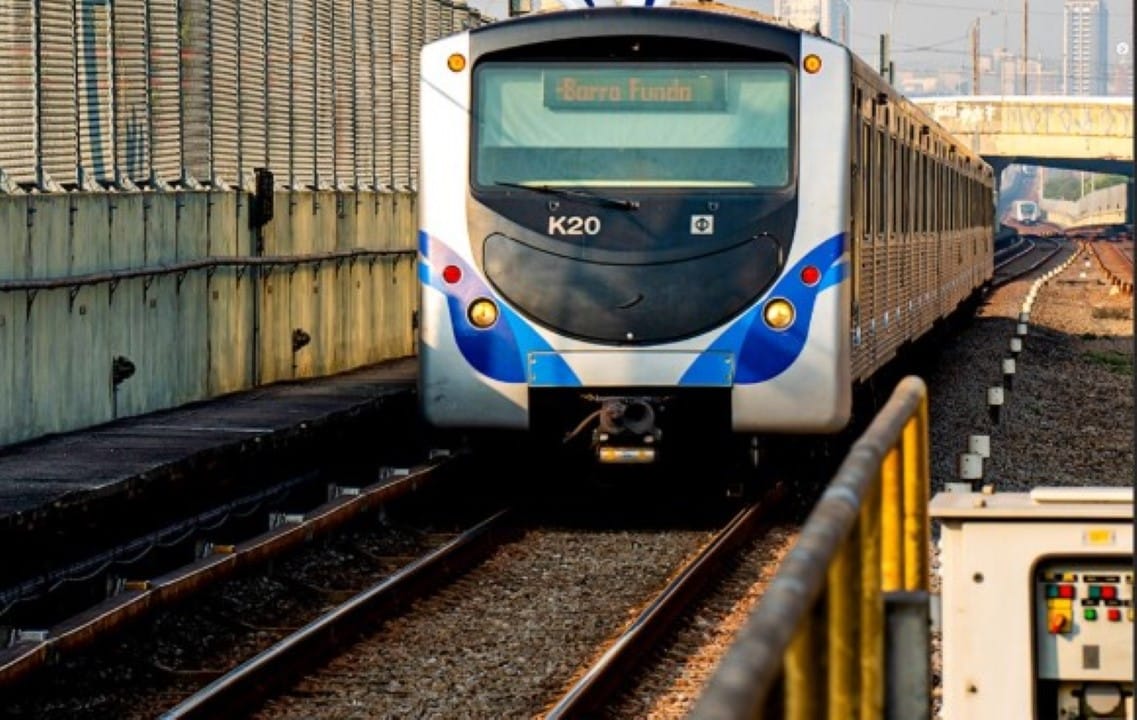
Diferença in the tariff exemption rules according to age group
Lei No. 10,741 has regulated the fundamental rights of this portion of the population since its creation. The document, widely known as Estatuto of Idoso, establishes free urban travel as a non-negotiable guarantee for people over 65 years of age. The legal provision is in force throughout the national territory. A citizen of this age has the right to use trains and buses without the need to issue any type of special ticket or free municipal pass.
The scenario changes for passengers aged between 60 and 64. The same federal legislation allows exemption from paying the ticket for this specific group to be granted at the discretion of local administrations. Metrô determined that electronic support is mandatory for validating the free trip on São Paulo. Regional adaptation integrates social assistance policy without compromising the functioning of the electronic ticketing system.
The card requirement offers a rigorous control tool for granting the right to free transportation. Authorities are able to map the busiest times and plan the operation of the lines based on the data generated by the validators. Passengers avoid queues at physical ticket offices by carrying an electronic document. The automated system reduces platform boarding times during peak times.
Funcionamento of cards accepted in the São Paulo transport system
Metro residents who fall under the 60 to 64 age rule need to choose between two main physical media options. The Bilhete Único and the TOP card are fully accepted on all lines managed by Metrô. Both formats guarantee compliance with the free provision provided by law. The technical functioning of each option presents important operational differences for the daily user.
SPTrans manages the issuance and maintenance of Bilhete Único in the capital of São Paulo. The card allows fare integration between municipal buses, Metrô trains and trains operated by CPTM. The elderly person needs to touch the card to the recharge terminals to activate the benefit. Virtual credits intended for exemption are released into the system after this monthly update procedure.
The TOP card works as a more recent technological alternative implemented by state management. The media eliminates the need for periodic top-ups to validate the free function at turnstiles. The passenger uses the item directly at station locks. The absence of the credit update step attracts users who seek greater agility when boarding.
- Bilhete Único requires periodic validation of free credits at self-service terminals.
- SPTrans coordinates the distribution of the Bilhete Único with a focus on integration with the capital’s bus fleet.
- The TOP card releases the ticket directly without the need for monthly top-ups.
- Governo of Estado of São Paulo manages the TOP platform for metropolitan use.
Both ticketing technologies have advanced security mechanisms against fraud. Station validators cross-reference card data with the government database in real time. Having a personal, non-transferable electronic document simplifies the routine of those who depend on public transport. Immediate blocking occurs in cases of misuse by third parties.
Procedimentos for in-person and digital ticket issuance
The TOP card application takes place through two different channels of customer service. The platform’s official application allows complete registration via smartphones with internet access. The applicant fills out a digital form with their personal data and attaches the documents required by the system. The user chooses an accredited commercial establishment to physically collect the card after registration is approved.
The face-to-face method caters to passengers who prefer direct support from an attendant. The elderly must attend one of the authorized stations spread across the municipalities of the metropolitan region. Presentation of your ID, CPF and recently issued proof of residence is mandatory. The site employee assists with filling out the information and completes the order in the state system.
The process to acquire the Bilhete Único requires direct contact with SPTrans channels. The municipal company provides service stations at bus terminals and Descomplica SP units. The passenger initiates the application to enable the elderly profile in the capital’s ticketing system. The correct delivery of documentation avoids preventive blockages and delays in the release of free access.
Checking papers before traveling to service stations optimizes citizens’ time. Issuing bodies require the presentation of original copies in good condition. Simple Cópias can be requested depending on the location chosen for registration. Updating the address in the system guarantees the sending of official communications about the validity of the benefit.
Documento identity guarantees direct access for over 65s
Federal legislation establishes a framework of unconditional protection for the older part of the population. Estatuto of Idoso sets a minimum standard of rights that overrides any restrictive municipal or state rules. The tariff exemption for those who have already turned 65 does not depend on prior registration on digital platforms. The rule covers the entire public transport network in the country.
Presentation of the Registro Geral (RG) or Carteira Nacional of Habilitação (CNH) replaces the requirement for electronic cards. The passenger shows the original document with photo to the employee positioned at the station’s blocking line. The metro security agent checks the date of birth and allows passage through a specific turnstile. The manual procedure ensures compliance with the law without creating technological barriers.
The Metrô management of São Paulo guides its service teams to facilitate access for this priority group. The company reinforces that the acquisition of the Bilhete Único or the TOP card remains an optional choice for those over 65 years of age. Passengers can issue the cards if they wish to use the automatic turnstiles for convenience. The guarantee of the fundamental right to free urban travel does not depend on the possession of electronic media.





