

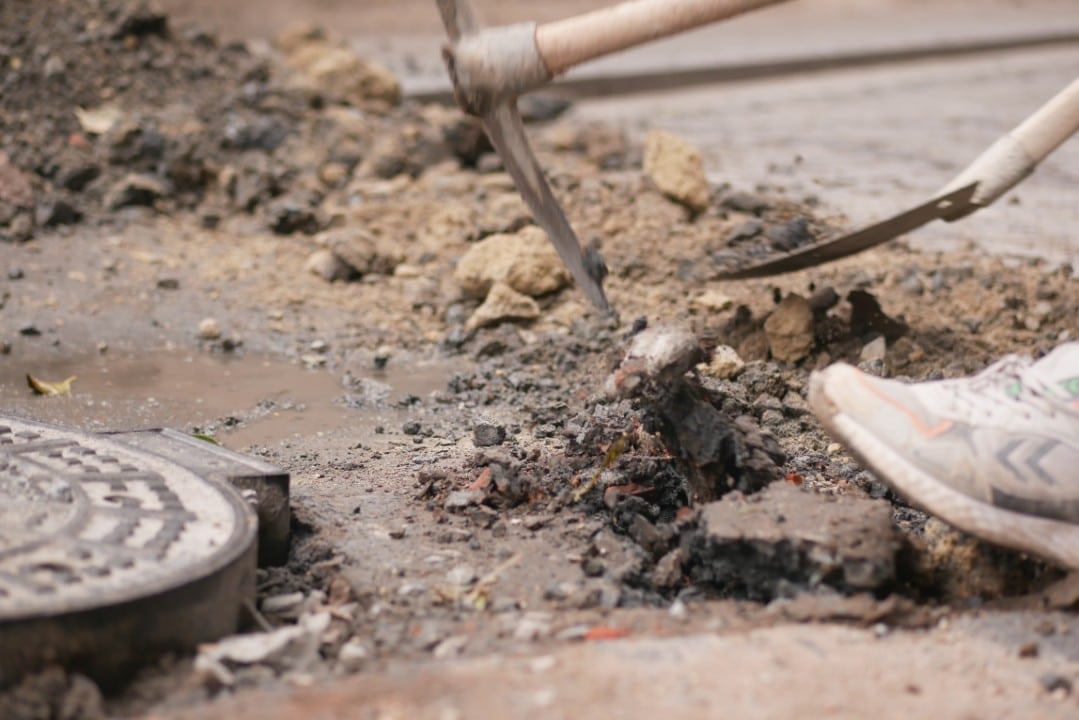
Operários from the Bavarian town of Aschaffenburg discovered remains of wood in an extraordinary state of preservation during excavations to build a rainwater retention basin. The structure was found almost eight meters deep, north of Ponte Willigis, on the banks of Rio Meno. Análises laboratories confirmed that the oak beams date back to the 4th century BC, a period known as La Tène, in Idade of Ferro.
The unexpected discovery occurred in March 2026. Pesquisadores of Bayerisches Landesamt für Denkmalpflege (BLfD), the official heritage authority of Baviera, began emergency archaeological investigations after identifying the historical relevance of the finds. What was initially assumed to be a structure from the modern era turned out to be a heritage site dating back more than two millennia.
Condições exceptional preservation
The quality of the beams’ state of conservation represents a rare find in European excavations. The wood remained in an anaerobic environment — without contact with oxygen — for centuries, preventing natural degradation. The oak used in the construction maintains structural details that allow precise analysis of the construction techniques of the time.
Pesquisadores identified tool marks in the excavated materials. The cuts in the beams reveal specific methodology of work during the La Tène period. Organismos that would have caused rapid deterioration under normal conditions were unable to thrive in the anaerobic environment, functioning as a natural preservative.
The excavation site had geological characteristics favorable to conservation. Camadas of sediment deposited naturally over centuries covered the structure, sealing it in stable conditions. Essa natural seal maintained consistent temperature and humidity, creating an ideal environment for retaining organic material.
Evidências of period La Tène
The La Tène period marks an important transition in European prehistory. Estabelecido between the 5th and 1st centuries before Cristo, is characterized by technological development, expanded trade and significant social transformations. Aschaffenburg, strategically located in Rio Meno, served as a point of commercial importance during ancient times.
The discovery provides concrete data on human occupation in the region during Idade of Ferro. Wooden Estruturas from this antiquity rarely survive in European territory, making finds like this exceptional for historical research. The oak used suggests access to abundant forest resources in the Bavarian region during the 4th century BC.
Análises isotopic and dendrochronological techniques — techniques that study wood growth rings — allow even greater precision in dating. Pesquisadores can determine not only the tree’s cutting century, but potentially the specific harvest season. Essas information offers a detailed window into understanding production practices and the calendar of construction activities at that time.

Investigações archaeological in progress
The Bayerisches Landesamt für Denkmalpflege has expanded on-site excavation operations. Equipes works under a strict preservation protocol to document the full context of the findings. Fotografia, technical design and sample collection follow standard preventive archeology methodology.
Colaboração between builders and archaeologists allowed continuity of the infrastructure project with schedule adjustments. Modelos of collaborative work between urban development and heritage preservation gains relevance in European historic centers. Aschaffenburg demonstrates the feasibility of this integration — construction continues with parallel archaeological investigation.
Especialistas hope to identify:
- Função needs the structure — residential, ritual, defensive or commercial
- Conexões with other La Tène occupations in Rio Meno’s region
- Padrões nesting into Aschaffenburg during Idade from Ferro
- Period wooden building Tecnologias
- Evidências from long distance business relationships
Detailed Documentação will feed regional archaeological databases. Instituições research at Baviera and other European regions will receive technical reports on the discovery. Comparação with contemporary structures at other archaeological sites will provide broader perspective on building patterns of the La Tène period.
Importância for local history
Aschaffenburg was consolidated as an important settlement during Idade of Ferro. Strategic Localização in Rio Meno offered access to land and river trade routes. The discovered structure provides material evidence of the economic and technical sophistication of the local community 2,300 years ago.
Registros of pre-Roman era occupation in Aschaffenburg remain fragmentary in traditional historical documentation. Arqueologia fills gaps in this knowledge through systematic excavation. Achados like this contribute to the ongoing narrative of human settlement in the region.
Museus locations at Baviera plan to incorporate findings into exhibition programming. Apresentação to the public promotes engagement with regional archeology and awareness of local historical heritage. Comunidades expanding urban areas increasingly recognize the value of archaeological investigation as a tool for connecting with the past.
Contexto of archaeological discoveries at Baviera
Baviera presents a significant density of archaeological sites from Idade to Ferro. Previous Pesquisas have identified settlements, necropolises, and defensive structures in several localities. Achados and Aschaffenburg expand understanding of population distribution and territorial occupation patterns during the La Tène period.
Investigações preventive measures — those carried out in advance of urban development or infrastructure — have become standard protocol in historic German cities. Essa approach recovers information that would be lost with urbanization. Balanceamento between necessary urban growth and heritage preservation reflects institutional commitment to historical documentation.




