
João Fonseca x Luka Pavlovic: where to watch live now at Roland Garros


Brazilian tennis player João Fonseca, currently number 30 in the ATP rankings, takes to the court this Sunday, May 24, to compete in the Roland Garros main draw. The 19-year-old athlete occupies the 28th seed position in the Grand Slam held in the French capital. The event organizers confirmed the initial schedule, establishing the weekend as the starting point for the main competitors on the world circuit. The Rio native awaits the definition of his opponent, who will come from the qualifying phase.
Participation in the tournament marks an attempt to resume the clay season, a surface that requires great physical resistance and technical adaptation. The player arrives at Paris after facing fluctuations in his last performances at Europa. The technical committee prioritized active rest and tactical adjustments in the days leading up to the trip to França. The central objective is to advance in the first rounds to accumulate points and regain confidence in five-set matches.
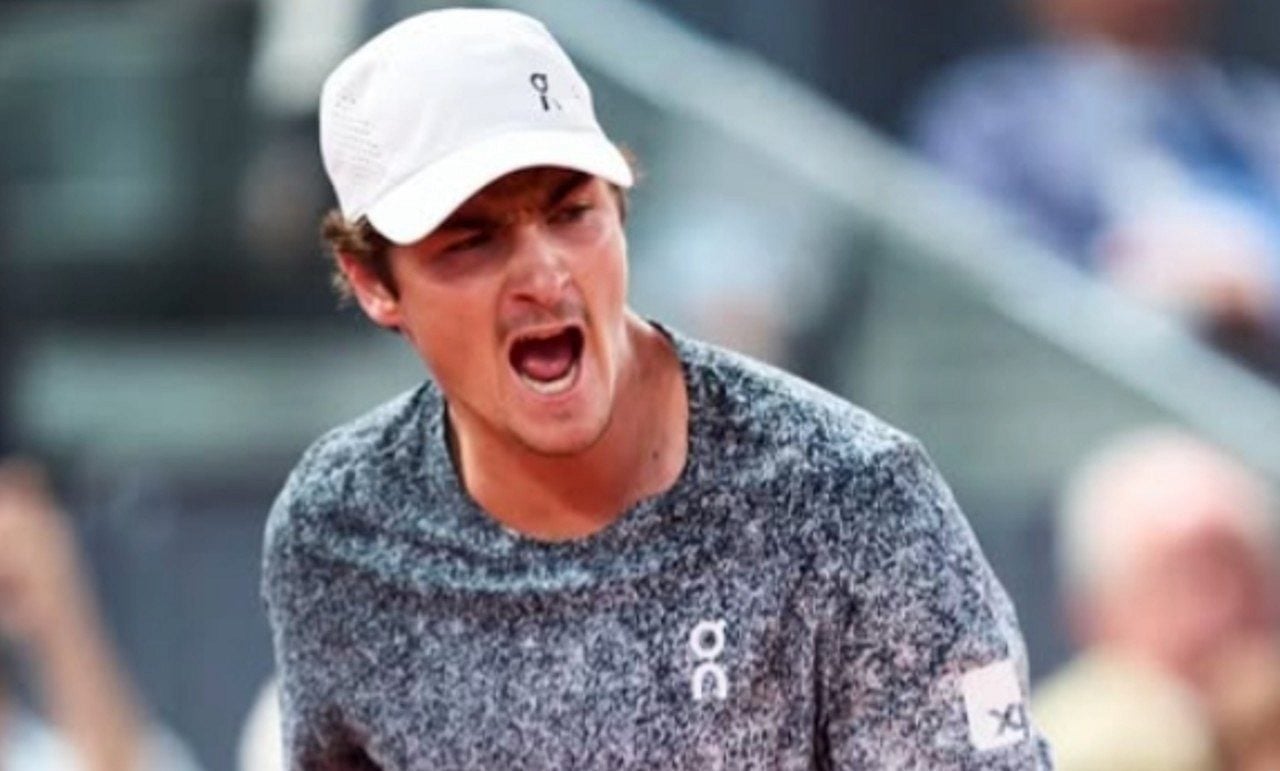
Preparação physical and injury recovery ahead of French tournament
The period before the start of the competition involved specific medical care. João Fonseca had to deal with persistent discomfort in his right wrist during the European tour. The physical problem forced the athlete to withdraw from Hamburgo’s ATP 500, an event held on Monday, May 18th. The decision to abandon the dispute at Alemanha aimed to preserve the articulation for the most important commitment of the calendar on clay.
Training on Paris began shortly after the physiotherapy team was released. The Roland Garros sports complex provides training courts identical to those used in official games, allowing for ideal acclimatization. The Brazilian carried out daily sessions focused on lateral movement and time on the ball, fundamental characteristics for success on slow surfaces. Dirt ground reduces the speed of strikes and prolongs ball exchanges at the back of the court.
Brasil’s number 1 status brings additional responsibilities for the young competitor. The transition to the professional circuit requires maturity to deal with the wear and tear accumulated over the months. The preventive work carried out in the tournament academy complements the effort made within the four lines. Physical trainers monitor exercise load to prevent worsening of the previous injury.
Opponent’s Definição and first round schedule on Paris
The main draw of an Grand Slam distributes the seeds strategically to avoid early clashes between the favorites. João Fonseca, as 28th pre-classified, has the theoretical advantage of facing a player from the qualifying tournament. Essa preliminary phase ends this Friday, May 22, when the last classifieds are drawn and allocated the remaining places in the main grid.
The opening Sunday traditionally concentrates matches with great appeal to the public and television. The exact schedule of the Brazilian’s clash will be released over the weekend by Roland Garros. The daily schedule depends on weather conditions and the duration of previous matches on the complex’s courts. Organizers usually distribute games between the main arenas and secondary courts.
The list of requirements for the first round includes the following considerations:
- Adaptação quick to the style of play of an opponent coming with the pace of the qualifier.
- Controle of anxiety at the debut of a tournament of global proportions.
- Gerenciamento of physical energy in matches that can last up to five sets.
- Leitura of climate variations in Paris, which change the humidity and weight of the ball.
The date of May 24th also marks the debut of renowned names in the sport. Serbian Novak Djokovic, German Alexander Zverev and North American Taylor Fritz start their campaigns on the same day. The presence of these figures attracts international media attention to French courts. The tournament spans two weeks, with the grand final scheduled for June 7th.
Recent Retrospecto and seeks stability in the ATP rankings
The path to Roland Garros presented significant obstacles for the tennis player from Rio. The recent history records three consecutive defeats in high-level preparatory tournaments. The most recent fall occurred in Aberto of Roma, on May 9, against Serbian Hamad Međedović. The setback at Itália highlighted difficulties in returning angled serves and maintaining aggressiveness in decisive moments.
Antes from Roma, the Brazilian faced the Spanish Rafael Jodar in Masters from Madri, at the end of April, and also failed to advance. The negative script began in the Munique tournament, on April 17, when he was overcome by the North American Ben Shelton. The sequence of adverse results raised questions about the athlete’s adaptation to the clay floor in this specific season. The professional circuit quickly penalizes players who lose their competitive rhythm.
Apesar’s unstable moment, maintaining 30th position in the ATP rankings assured França’s top seed status. Essa early protection prevents a crossover with the world’s top 32 in the first two rounds. Tennis’s scoring system allows a good run in an Grand Slam to offset weeks of poor results in smaller tournaments. The immediate goal is to break the losing streak and establish a consistent pattern of play.
The experience accumulated since the definitive entry into the main circuit, in 2025, serves as a basis to face the pressure. The player has already demonstrated his ability to adapt at previous points in his career. French clay, with its peculiar characteristics of high bounce, favors tennis players who use a lot of effect in their right shots. The coaching staff worked extensively on this foundation during training at Paris.
Cobertura on television and presence of other Brasil athletes
Tennis fans in the country have a variety of options to follow the performance of the country’s representatives. The official broadcast of the event belongs to the Disney group, which divides the broadcast between pay television and digital platforms. The ESPN channel broadcasts the main matches on closed TV, with teams of narrators and commentators dedicated exclusively to the tournament. The schedule prioritizes the games of the top seeds and Brazilian athletes.
The Disney+ streaming service offers full coverage of the sports complex. Subscribers have access to all courts that have image capture, allowing them to choose the game in real time. Essa transmission modality democratizes access to confrontations that would normally be left off conventional television. The platform makes the signal available live from the early hours of the morning, following the European time zone.
The national delegation in Paris has other prominent figures besides João Fonseca. Tennis player Beatriz Haddad Maia represents Brasil in the women’s main draw, carrying the expectation of a long campaign on clay. The presence of multiple competitors from the country in singles matches of an Grand Slam strengthens public interest and attracts new practitioners to the sport. Brazilian tennis is experiencing a moment of renewal of talent in the youth categories.
The environment at Roland Garros brings together the sport’s elite in search of one of the most coveted trophies in world sport. The weeks of competition in Paris require absolute focus and resilience in the face of climatic and physical adversities. The performance of national athletes in the initial rounds sets the tone for journalistic coverage and fan engagement on social media. The event structure mobilizes hundreds of press professionals to record every detail of the matches.





