

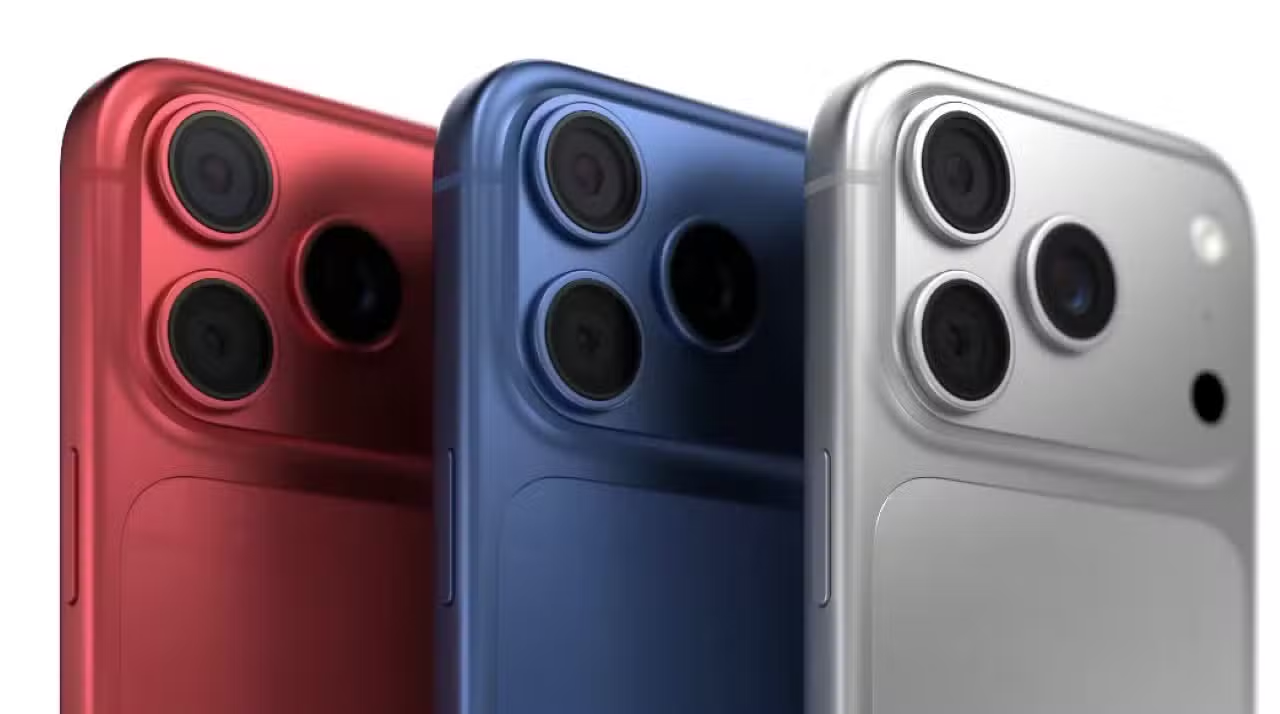
Apple confirmed the launch of two new high-end smartphones for the second half of 2026. The manufacturer’s updated catalog introduces the iPhone 18 Pro, which features an unprecedented camera system with variable aperture, and the iPhone Ultra. The second device marks the company’s official entry into the hotly contested segment of devices with a flexible screen. The strategy expands the alternatives for buyers. The movement also defines the brand’s new design standards for the next commercial cycles.
The two devices share an internal architecture based on the A20 processor. The component uses 2 nanometer manufacturing technology. The central piece delivers a significant increase in speed in daily tasks and reduces battery energy consumption. The company had to reorganize the distribution of internal components to install the new display panels and advanced photographic modules. Especialistas from the technology market see the update as a direct reaction to the demand for physical innovations in the premium mobile phone sector.
Optical Mecanismo model Pro adjusts light input
The iPhone 18 Pro photographic set presents the most significant mechanical change in the manufacturer’s latest lines. The 48 megapixel main lens now has a physical part capable of automatically modifying the aperture. Built-in software analyzes the venue’s lighting in real time to establish the exact shape. Sob strong sunlight, frame closes to increase depth of field. The action keeps all image elements in focus.
Locais in low lighting activate the opposite process in the smartphone’s optical module. The lens opens completely to capture as much light as possible, resulting in clear photographs even at dawn. Physical exposure control reduces dependence on computational processing algorithms. Profissionais image capture accuracy without requiring heavy software editing to correct dark areas.
The rear part of the Pro version maintains the traditional block made up of three independent sensors. The system houses a specific telephoto lens with 8x optical zoom capability, which also operates with a 48-megapixel sensor. The mount offers flexibility for photos of distant objects and portraits with background blur. The presence of this triple set separates the bar version from the new folding equipment, which lost hardware components due to lack of space.
Processador A20 increases energy efficiency of devices
The A20 chip serves as the brain of the phones’ new intelligence and graphics rendering tools. Switching to the 2-nanometer process makes it possible to include billions of extra transistors on the same area of the main board. The component achieves an operating speed 15% higher than devices sold last year. Energy consumption drops by 30% during uninterrupted use of the system.
Charge management is supported by new high-density batteries and more economical screens. The Pro Max model, in particular, has a power cell with a capacity between 5,100 and 5,200 mAh. The adoption of LTPO+ technology in the display helps reduce electrical consumption when reading long texts or viewing still images.
- Processador A20 with 2 nanometer architecture to speed up opening of heavy applications
- Queda 30% in energy consumption in direct comparison with the previous generation of chips
- Bateria with up to 5,200 mAh in the Pro Max version with integration into LTPO+ panels
- Triple camera Módulo with 8x optical zoom available only in classic Pro model design
- 7.8-inch flexible internal Painel restricted to the book format of the new model Ultra
The technical characteristics define clear purposes of use for each version of the new family of cell phones. Hardware aimed at professional photography demands a larger and continuous internal physical space, which explains the preservation of the classic format in the iPhone 18 Pro. Temperature control also takes advantage of the aluminum and glass housing. The material dissipates heat from the processor evenly along the sides of the equipment.
Flexible device Engenharia requires system adaptations
The iPhone Ultra abandons the company’s traditional design by incorporating a mechanical central hinge. The structure allows you to open the phone like a book to expose an internal 7.8-inch screen. The closed smartphone registers a thickness of 11 millimeters. The additional size generates greater weight than that found in common cell phones, which requires physical adaptation from the user during long periods of typing.
The manufacturing of the foldable screen uses more battery power because of the expanded luminous area. The power component needs to support a surface larger than the 6.9-inch screen of the Pro Max model. The iOS operating system has received extensive modifications to its base code. The update manages quick application switching between the external display and the internal panel without blocking navigation.
Hinge strength attracts the attention of hardware designers and early consumers. The wear of parts after thousands of opening movements remains a monitoring point for the coming months. Protection against falls and direct impacts in the central area requires caution from owners. The internal space limited by the fold mechanics forced the removal of the third rear camera, which restricts the device to two 48 megapixel lenses.
Alterações structural and magnetic loading removal
The case of the iPhone 18 Pro has undergone changes of millimeters in its external shape. The height increased by 0.36 millimeters. The width registered an increase of 0.39 millimeters compared to the previous model. The measurements guarantee the use of most covers and accessories available in stores. The MagSafe system works with maximum magnetic force for wireless charging and attaching to car mounts.
The iPhone Ultra takes a different route in connecting power peripherals. The complex assembly of the folding chassis caused the complete exclusion of support for the MagSafe standard. Lack of internal space prevented placement of the circle of magnets required for induction charger alignment. Buyers of the flexible model are left without access to magnetic products launched in recent years.
The lack of a telephoto lens on the foldable cell phone affects the quality of photos at maximum zoom and capturing images in dark places. The decision between equipment depends on the need for use and the customer’s financial limit. The Pro model delivers technical stability, advanced cameras and connection to the entire ecosystem. The Ultra provides a wide screen designed for reading documents and consuming videos.
The first version of the flexible cell phone acts as a technological turning point for the American company. Customers looking for operational security and professional photography features will find the iPhone 18 Pro to be the most complete device. The creation of the next editions of the foldable model must prioritize solving today’s physical constraints. Engineers will focus on increasing the screen’s resistance and returning parts removed due to lack of internal space.