
Apple’s strategy focuses on three premium devices and includes an unprecedented iPhone Fold in September

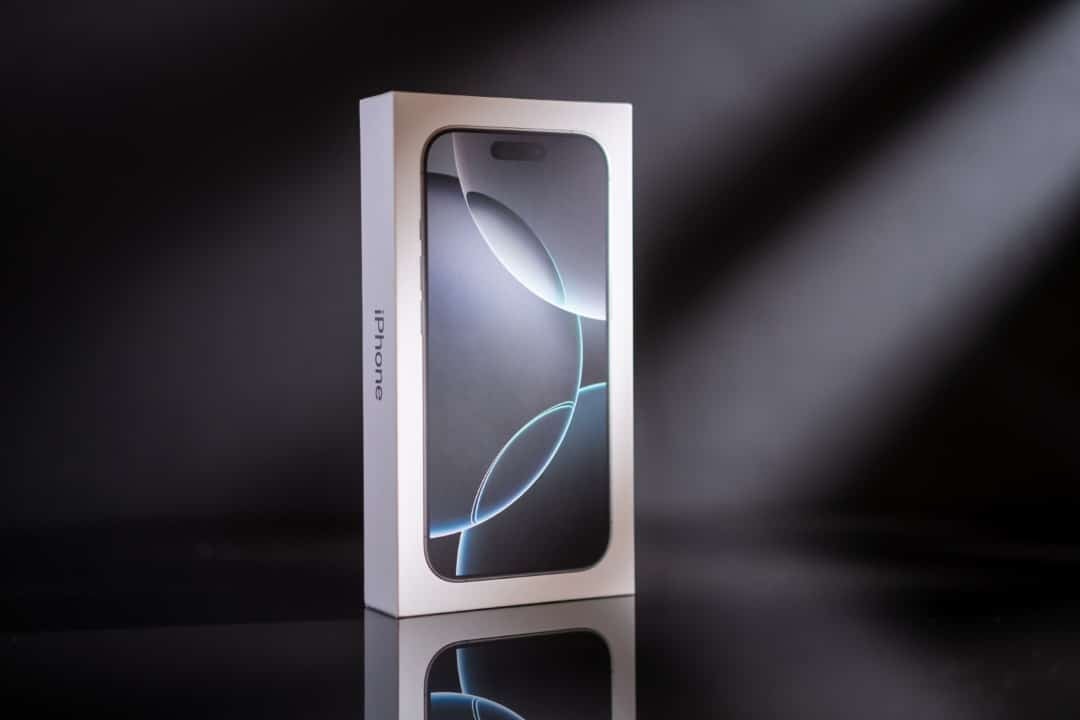
Apple changes the traditional smartphone launch schedule to the year 2026. The manufacturer focuses the September event on the exclusive presentation of three high-performance devices. The unprecedented iPhone Fold shares the stage with the advanced versions iPhone 18 Pro and iPhone 18 Pro Max. The entry model falls outside the fall window for the first time in years.
The strategic change moves the arrival of the standard iPhone 18 to the first half of 2027. The company focuses marketing and production efforts on the highest value-added category in the technology market. The movement seeks to attract consumers interested in hardware innovation and different formats. The production line is already adapting to meet the simultaneous demand for traditional screens and flexible panels.
FINALLY🙌🏼 First look at the iPhone Fold & 18 Pro Max dummy. pic.twitter.com/iAhKUV7ysC
— AhMad 𝕏 Ansari (@Ahmadansari2233) April 7, 2026
iPhone Manufacturing Testes Fold Advances in Foxconn
The experimental assembly of the brand’s first foldable smartphone is currently taking place at the Foxconn facilities. The Asian partner evaluates the strength of the internal components and the durability of the central hinge. The testing stage ensures the identification of flaws before the start of mass production, scheduled for July. The device adopts a book format and expands the internal screen to dimensions similar to an iPad mini.
Journalist Mark Gurman, from the agency Bloomberg, confirms the maintenance of the original development schedule. Previous Rumores points to a possible delay in flexible panel engineering. The external structure houses a reduced photographic set with just two main lenses. The manufacturer is studying the inclusion of the Touch ID biometric sensor in specific areas of the aluminum chassis to facilitate unlocking.
The price positioning places the flexible device at the top of the company’s product hierarchy. The final value must surpass all previous generations of cell phones sold by the company. The strategy aims to compete directly with competing brands that already dominate the hybrid device segment. Data processing uses the same architecture as more expensive conventional models.
Hardware Atualizações in the iPhone 18 lineup Pro
Traditional format devices receive significant improvements in the image processing and capture suite. The A20 Pro chip, manufactured with 2 nanometer technology, equips the most expensive versions in the catalog. The component delivers greater speed when running simultaneous applications and reduces battery power consumption. The gain in thermal efficiency allows for prolonged gaming sessions without excessive chassis heating.
The rear camera system of the iPhone 18 Pro Max maintains the triple arrangement characteristic of the category. The main lens incorporates a variable aperture mechanism for precise control of light entering the sensor. The technology brings cell phones closer to professional cameras and improves photo recording in dark environments. The front area presents a reduction in the size of the upper screen cutout.
The reduction in the Dynamic Island call occurs thanks to the repositioning of facial recognition sensors under the glass display. The expected technical specifications for the devices include the following engineering advances:
- Processador A20 Pro with 2 nanometer lithography for energy optimization.
- Sistema triple photographic with variable aperture on the main lens.
- Redução front notch structural Dynamic Island.
- High density Bateria with higher daily load capacity.
The combination of advanced hardware justifies the exclusivity of the devices at the September event. The manufacturer calibrates the components to support intensive generative artificial intelligence capabilities. Engineers prioritize operating system stability in the face of new local processing requirements.
Novas color palettes change up the classic look
The Apple industrial design team discards the use of traditional black and graphite colors for the second year in a row. The absence of neutral tones breaks with the historical pattern established since the first generations of the professional line. The company is testing new finishes to visually differentiate the 2026 launches. The options being evaluated include a deep red, a coffee brown and a dark purple variation.
The cosmic orange tone, present in previous versions, leaves the official sales catalogue. The change in palette seeks to attract buyers who value the aesthetics and exclusivity of external materials. The brushed titanium finish should remain the standard for the side structure of the devices. Changing colors directly affects the public’s perception of the brand’s visual identity.
Consumidores accustomed to discreet devices will need to adapt their purchasing choices in the face of new vibrant alternatives. The color strategy works as a marketing element to encourage the exchange of old devices. Aesthetic differentiation facilitates immediate identification of the latest models on the streets and corporate environments.
Reorganização of the catalog and impact on the market
The separation of announcement dates changes the company’s sales dynamics for the coming years. The postponement of the base iPhone 18 to 2027 avoids cannibalization of sales between the brand’s own products. The extended timeline includes the arrival of the second-generation iPhone Air during spring. The technology market projects a total of six new cell phones launched within a twelve-month period.
The global supply chain gains momentum with the distribution of launches throughout the annual calendar. Assembling folding screens requires specialized production lines and strict quality control. Diluting initial demand reduces the risk of shortages of critical components in Asian factories. Availability in physical stores occurs the week following the executives’ official presentation.
The volume of flexible cell phone units is expected to be restricted during the first months of sales. The complexity in manufacturing the expandable panel limits the ability for immediate delivery in all countries. The September event consolidates the company’s transition to a portfolio focused on high profit margins. Buyers await confirmation of official prices to define updates for daily use equipment.





