
BYD introduces Dolphin Special Edition 2027 with a new look and 177 hp engine in the national market

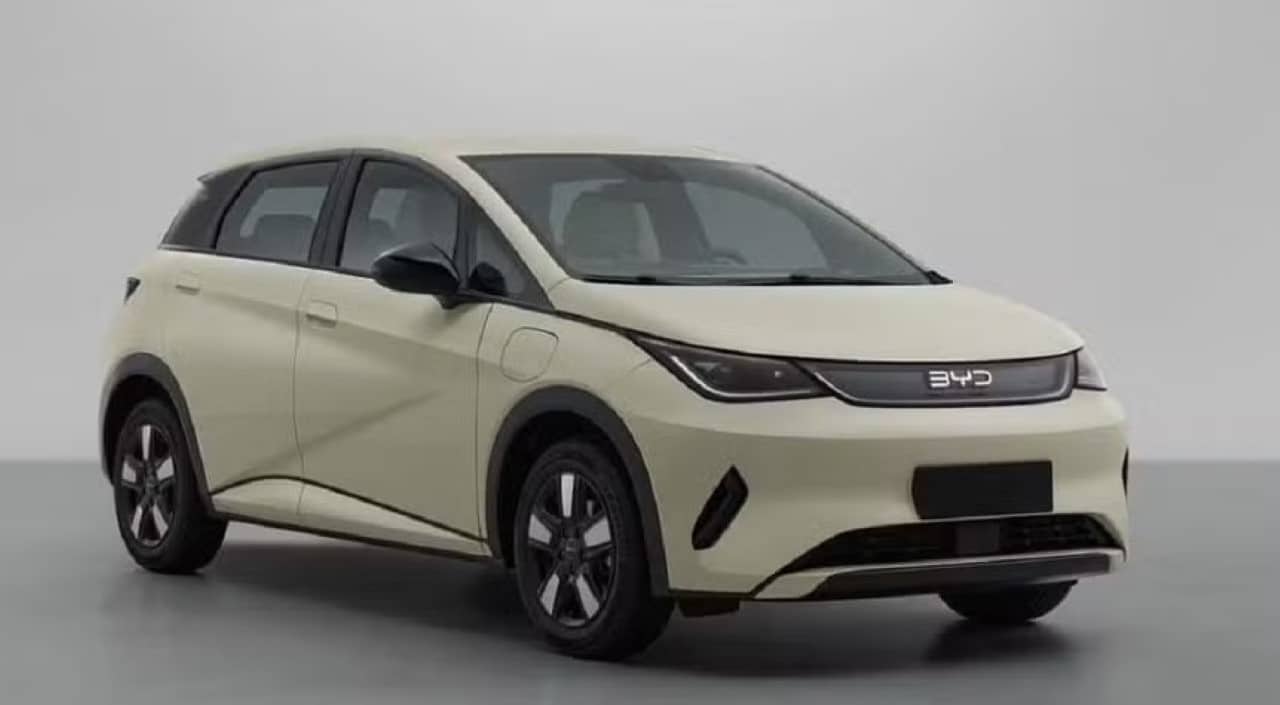
Chinese manufacturer BYD has officially announced the arrival of the Special Edition configuration for the Dolphin 2027 line on the Brazilian market. The electric vehicle debuts with a suggested price of R$159,990, occupying an intermediate range in the automaker’s catalog. The new option is strategically positioned between the entry-level GS model, sold for R$149,990, and the top-of-the-line Plus variant, which costs R$184,800 at dealerships. The introduction of this version brings specific changes to the mechanical set, visual identity and equipment package, keeping intact the other options already offered to consumers.
The company’s move comes at a time of intensified competition in the battery-powered compact hatchback sector. The recently launched configuration incorporates traces of the aesthetic language of the Ocean family, marking a transition in the car’s design. Neste firstly, the bodywork and finishing changes are exclusive to this edition, while the GS and Plus versions continue with the original format already known to the public. The commercial strategy provides an alternative for buyers looking for a middle ground in performance and equipment level.
Subtle. Smart. Electric.
BYD DOLPHIN. pic.twitter.com/ITlrjDv9ke— BYD (@BYDCompany) April 2, 2026
Novo external design and updated dimensions
The restyling applied to the electric hatch resulted in a more aerodynamic front part, characterized by curvilinear lines that replace the previous appearance. The headlights have lost their strictly rectangular shape and are now connected to an illuminated grille, which displays tribal elements in its internal structure. Nas sides, the vehicle adopts 17-inch alloy wheels with a more restrained design. The shape of the wheels aligns with the visual standard of other urban compacts available in the country.
The rear of the car also underwent significant redesigns to match the contemporary identity of the Asian brand. The old slogan in full has been removed. An illuminated BYD logo now occupies the center of the trunk lid. The rear light assembly received a new shape, complementing the exterior aesthetics. Customers can choose between four body tones: Preto Obsidian, Azul Atlantis, Branco Cheese and Cinza Time.
The aesthetic changes were accompanied by changes to the car’s dimensions, giving it a more striking physical presence on public roads. Apesar of longitudinal growth, the car preserves its vocation for urban traffic. The size makes it easier to move around and maneuver in confined spaces in large cities. The official proportions of the new version include the following technical data:
- Comprimento total of 4,280 mm, representing an increase of 15.5 centimeters compared to the base model.
- Distância wheelbase preserved at the exact mark of 2,700 mm.
- Largura of 1,770 mm and height stipulated at 1,570 mm.
- Compartimento of luggage with 250 liters of volume, without the addition of a front luggage rack.
The trunk volume meets the daily needs of transporting items on short journeys. Viagens long journeys with lots of luggage require planning on the part of the occupants. The absence of an extra compartment under the hood follows the engineering standard adopted in other configurations of the electric line.
Motorização electrical and battery capacity
The powertrain of the intermediate edition presents a leap in performance compared to the access model. The electric motor delivers 177 hp of power and generates 29.5 kgfm of instantaneous torque. Esses numbers easily surpass the 95 hp and 18.3 kgfm found in the GS version. Performance remains below the 204 hp and 31.6 kgfm offered by the Plus variant. The vehicle accelerates from 0 to 100 km/h in approximately 8 seconds, according to measurements released by the manufacturer.
Energy storage is provided by a battery pack with a total capacity of 45.12 kWh. The system supports fast recharging at direct current stations with power up to 80 kW. Nessas ideal conditions, the time required to increase the charge level from 30% to 80% is around 20 minutes. The declared range reaches 405 kilometers in the NEDC test cycle. Drivers report a lower practical range in daily use on Brazilian streets, in accordance with the industry standard.
Energy efficiency continues to be one of the pillars of mechanical design. Battery thermal management and braking energy regeneration work together. The system optimizes electricity consumption during daily commutes in heavy traffic.
Mudanças in cabin and technology package
The car’s internal environment was reconfigured to meet the preferences of the national consumer, adopting materials in dark tones. The cabin features a predominance of black in the lining, creating a more sober atmosphere. The center console has undergone a functional redesign. The transfer of the gear selector to the steering column freed up useful space between the front seats for the installation of storage compartments.
The central entertainment system maintains the 12.8-inch screen, but has lost the rotating mechanism characteristic of previous versions. The multimedia center now operates with the native Google system, expanding the possibilities of direct connectivity. The digital instrument panel grew in size and now mirrors navigation information. The driver views maps from applications such as Waze and Google Maps directly in his main field of vision.
The technology package includes an induction cell phone charger with 50W of power. The equipment guarantees fast recharges for compatible mobile devices without the need for cables. The interior finish also uses rigid plastics in specific areas, such as the door linings, maintaining the construction standard focused on controlling production costs in the category.
Ajustes suspension and license plate volume
The suspension architecture received structural improvements to deal with the increased power and weight of the new electric motor. The rear axle now uses an independent multilink system, replacing the simpler arrangement. The front maintained the traditional McPherson assembly. Chassis adjustments provided longer suspension travel. The set delivers a superior balance between absorbing asphalt irregularities and directional stability in high-speed curves.
The dynamic behavior of the hatch has become more refined. Engineering more effectively filtered potholes and ditches common on Brasil’s urban roads. The handling preserves the agility typical of compact cars. The driver receives quick responses to steering wheel commands without sacrificing occupant comfort during routine journeys.
In the commercial aspect, the line maintains a strong pace of registrations in the national market. Apenas in the first quarter of 2026, the model registered 4,557 units sold. The volume exceeds the sum of the sales of several direct competitors in the same calculation period. The introduction of this new variant fills a price gap in the automaker’s list. The positioning occurs at the exact moment that new models, such as the Geely EX2, begin to compete for space in the garages of Brazilian consumers.





