
Caoa Chery Tiggo 5X grows 2,318% in March and enters the top 10 of sports utility vehicles in Brazil

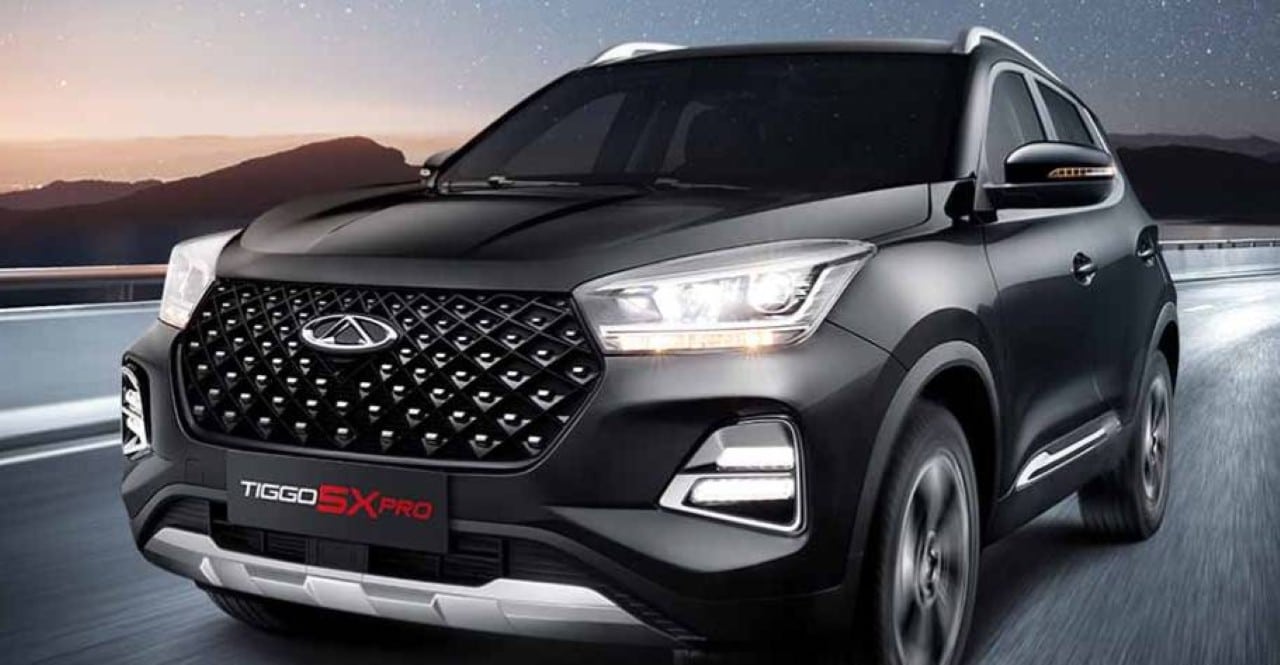
The SUV market in the Brasil showed a significant change at the end of the first quarter of 2026. The Caoa Chery Tiggo 5X recorded a 2,318.8% jump in registrations during the month of March. The vehicle reached the mark of 5,007 units sold in the period. The result placed the model in eighth position overall among the best-selling SUVs in the country.
The advance surprised automotive sector analysts and put pressure on traditional manufacturers. The movement indicates a change in the profile of the urban consumer. Compradores who previously opted for German and South Korean brands are starting to diversify their choices. The fight for space takes on new contours with the rise of Asian automakers in the national territory.
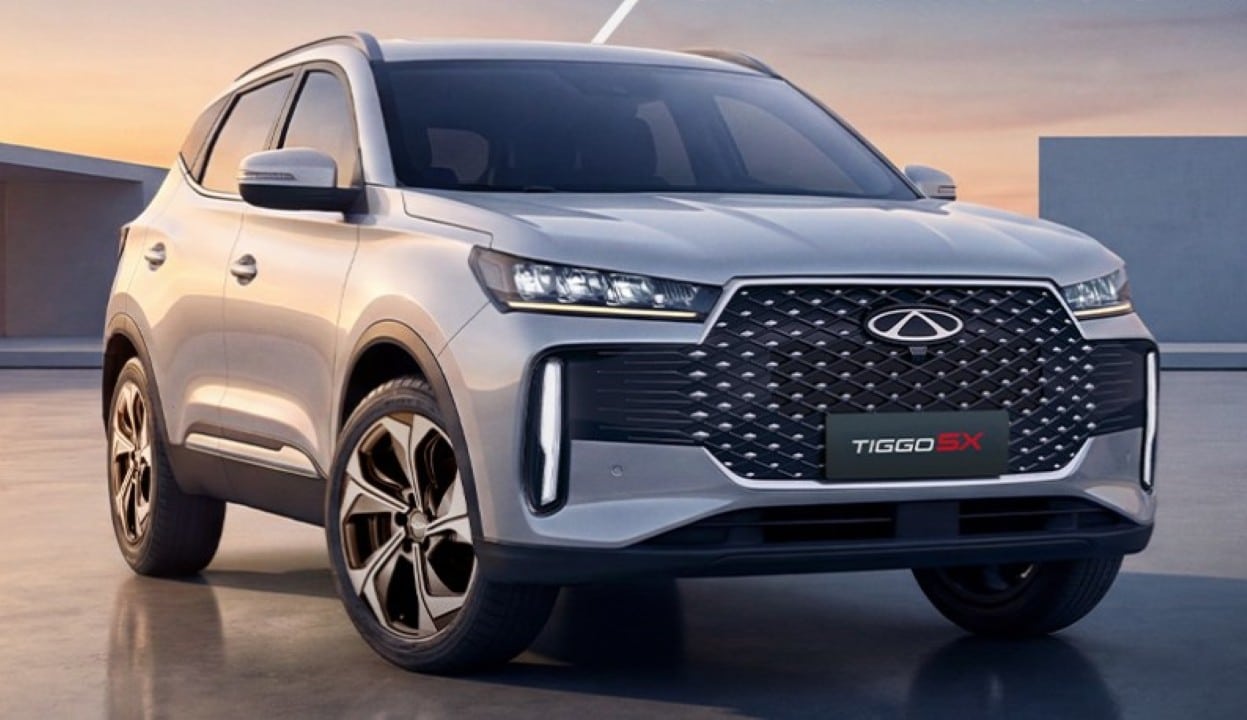
Salto in sales changes positions in the national market
The performance of the Caoa Chery Tiggo 5X in March represented the highest growth rate among all vehicles monitored. The automotive market maintained a strong pace at the beginning of the year. The model’s climbing speed, however, generated an immediate warning for direct competitors. The utility surpassed cars with a strong historical presence in Brazilian dealerships.
The automaker’s commercial strategy resulted in a sales conversion rate above the average projected for the segment. The model occupied a discreet position in the February charts. The jump to the group of ten best sellers occurred in an interval of just thirty days. Esse fast movement left vehicles like the Nissan Kait and Fiat Fastback behind. Ambos usually maintain stable monthly trading volumes.
Disputa for leadership involves traditional brands
The top of the SUV table remains under the control of Volkswagen, although the margin between the leaders is increasingly narrow. The recently launched Volkswagen Tera took the top spot in March. The model registered 7,977 registered units. The number was enough to surpass the Volkswagen T-Cross within the German manufacturer’s own portfolio. Essa exchange of positions highlights the consumer’s search for technological innovations.
The Hyundai Creta maintains third position in the national ranking of sports utility vehicles. The South Korean vehicle is closely followed by the Chevrolet Tracker and Volkswagen Nivus. The arrival of the Caoa Chery Tiggo 5X to this elite group changes the perception of stability observed at the end of 2025. The fight for each fraction of the market requires constant revisions in the offerings of standard items.
The March 2026 survey shows the following percentage evolution among the main competitors in the sector:
- Caoa Chery Tiggo 5X: growth of 2,318.8%.
- Nissan Kait: advance of 244.8%.
- Fiat Pulse: up 69.1%.
- Volkswagen Nivus: 50.5% increase.
- Volkswagen Tera: 48.9% expansion.
- Chevrolet Tracker: increase of 44.8%.
- Volkswagen T-Cross: increase of 34.5%.
- Hyundai Creta: increase of 32.3%.
Consolidated numbers show that the SUV category concentrates the majority of manufacturers’ investments. The percentage variation reflects the impact of advertising campaigns and special financing conditions offered throughout the month.
Fatores technological and logistical bottlenecks at the automaker
Acceptance of the Caoa Chery Tiggo 5X is directly linked to the balance between the equipment package and the price charged in stores. Moradores from large urban centers, like São Paulo and Rio from Janeiro, look for vehicles with a high level of onboard technology. Consumers try to avoid the price range charged by premium category SUVs. The manufacturer invested in interior finishing and connectivity to fill this market gap.
The dealership network also intensified its presence on digital platforms with aggressive marketing campaigns. The focus on driver assistance systems became a decisive argument in closing contracts. Esse set of commercial actions explains the reversal of a sales trajectory that was previously considered merely stable.
The immediate commercial success, however, brought complex operational challenges to the assembly line. The sudden demand overwhelmed the company’s production capacity and logistics infrastructure. The average wait time for vehicle delivery jumped to approximately 120 days in several Brasil regions. The distribution bottleneck could affect registration numbers in the coming months.
Managing this waiting list defines the future of the model in the national ranking. The market monitors whether the customer will accept waiting four months for the new car. The immediate alternative for many buyers is to migrate to dealerships that offer immediate delivery. The rapid expansion of manufacturing capacity has become the automaker’s top priority in the country.
Economic Cenário dictates the sector’s next steps
March data confirms a structural transformation in the Brazilian automotive market. The preference for sports utility vehicles gains strength every quarter. SUVs occupy the space that previously belonged to medium sedans and compact hatchbacks. Today’s driver values the elevated driving position and greater interior space for daily commutes.
Manufacturers installed in Brasil need to recalibrate sales projections for the second half of 2026. The aggressive entry of new competitors requires quick responses in innovation and design. The sector’s performance in the coming months depends on the stability of global supply chains. The adaptability of national automotive hubs will be tested daily.
The sustainability of this growth cycle comes up against the country’s macroeconomic conditions. The availability of credit for financing new vehicles is the main driver of retail sales. With fluctuations in interest rates and inflation, the purchasing power of the average Brazilian dictates the pace of renewal of the circulating fleet. The automotive segment maintains its position as one of the pillars of national industrial activity.
Leading brands have already started studies to update their entry-level models. The objective is to contain the advancement of manufacturers that previously occupied peripheral positions in the ranking. Novos accessory packs and software updates are expected to hit stores soon. The dynamism of competition guarantees a constantly changing market, with more options for the end consumer.





