Fungi turn cicadas into pathogen-spreading zombies during 2024 infestation
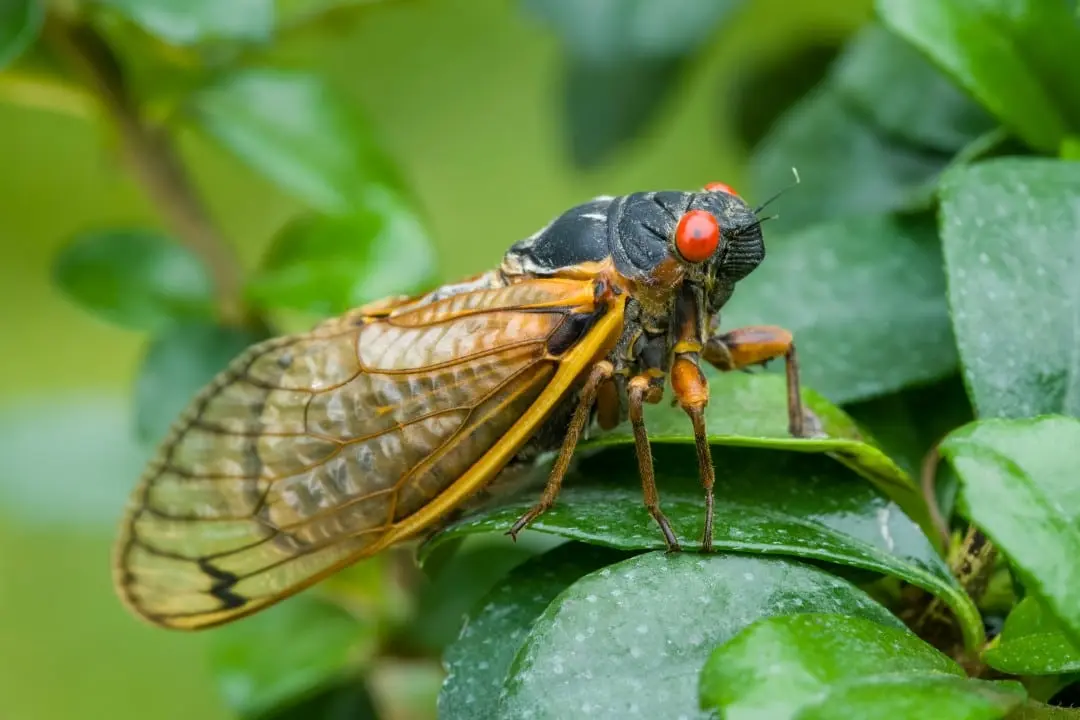
Spring 2024 marked the return of billions of periodic cicadas simultaneously emerging from the ground after more than 10 years of underground dormancy. The natural phenomenon, predicted for years by scientists, coincided with a massive outbreak of a fungal pathogen called Massospora, which turns cicadas into unwitting vectors for spreading the disease. Periodical cicadas lay their eggs on tree branches, and the hatched larvae fall to the ground, where they burrow and feed on root sap for 13 to 17 years until they reach adulthood. Dependendo of the species, different underground incubation periods determine when they emerge and return to the surface for reproduction.
Researchers still do not know the exact mechanism of infection by the Massospora fungus. Não it is unclear whether cicadas are infected when they burrow into the soil or during emergence into adulthood, nor what specific biological process allows contamination. John Cooley, Universidade Associate Professor of Connecticut, asserts that the reality of the pathogen is “much stranger than science fiction.” The phenomenon suggests a horror fiction scenario: cicadas transformed into “deadly salt shakers”, spreading pathogenic spores as they desperately try to reproduce.
Full coverage: Latest News (EN)
Manipulação behavioral and reproductive destruction
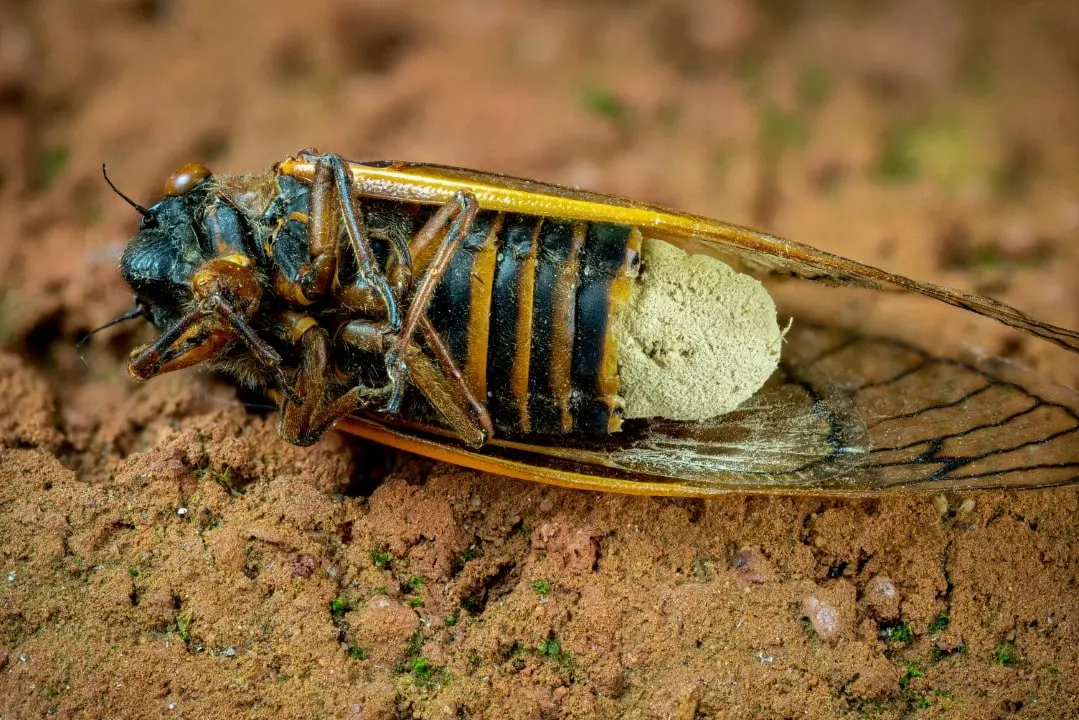
Quando Massospora spores penetrate the cicada’s body, the pathogen gradually takes control of the insect. A massive amount of pathogenic spores accumulates in the abdomen of the infected cicada. Eventualmente, the lower portion of the abdomen detaches completely, including all original reproductive organs. In the place where the abdomen and reproductive organs used to be, a visible white mass of fungal spores forms. Matt Casson, Universidade Associate Professor of Virgínia Ocidental, describes the resulting appearance: “It looks like a blob of chalk stuck to the cicada’s back.”
Apesar From this devastating biological mutilation, the infected cicadas continue to actively try to mate. Casson and colleagues describe the state of these cicadas as “hypersexual,” indicating that the pathogen abnormally increases the insect’s libido. Infected males actively attract females and simultaneously alter their behavior to attract other males. Cigarras healthy females normally attract males by flapping their wings, but both males and females infected with Massospora flap their wings to attract males, perpetuating fungal transmission.
See Also

Artificial intelligence reveals signs of solar flares hours before and innovates in alerts

Leila Pereira reinforces support for Abel and the Palmeiras squad before the Libertadores clash

Death of Rossella Diaco: Rai Isoradio presenter reported illness on social media
Follow: all about animal behavior
Mecanismos multiple spread
Mating represents just one of the ways that infected cicadas spread the pathogen. The reproductive organs of periodic cicadas are articulated and separate when they detach. Cooley explains that “some cicadas can walk around with the reproductive organs of another cicadas attached to them”, multiplying the points of contaminated contact. Quando infected cicadas burst open and release spores, flying without their lower abdomens, literally becoming “deadly salt shakers” that spread a visible shower of gray-brown spores.
The spores dispersed by these winged insects infect the next generation of cicadas still in the soil. Mais 10 years later, these infected cicadas emerge from underground and repeat the entire cycle of destruction and spread. The cyclical pattern turns the 2024 infestation into a significant event for animal ecology and behavior, revealing pathogen control strategies that defy conventional scientific understanding.
Ciclo’s life changed by illness
Periodical cicadas typically emerge from the ground in extraordinary densities to maximize chances of reproduction during their brief adult phase. The Massospora infestation exploits exactly this intense reproductive behavior, using the natural mating drive as a tool for spreading the fungus. The pathogen not only destroys the reproductive organs, but replaces them with fungal structures that function as dissemination pumps. Essa biological transformation represents one of the most sophisticated host manipulation strategies observed in nature, where the pathogen directly controls insect behavior to ensure its own survival and transmission.