
Pope Leo XIV launches encyclical Magnifica Humanitas, denounces technofascism and the danger of AI

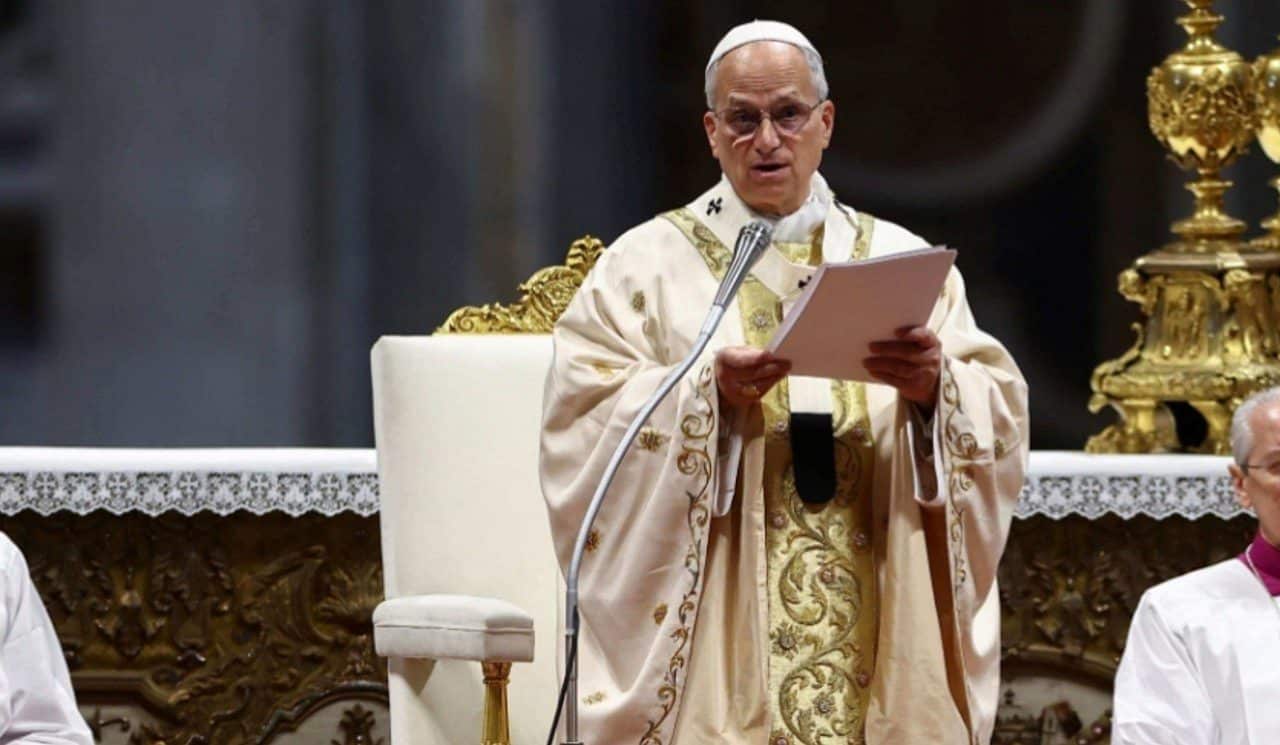
Papa Leão XIV published its first encyclical, entitled “Magnifica Humanitas”, in which it issues a robust warning against what it defines as emerging technofascism and the control of artificial intelligence. The 110-page document, with the subtitle “About Custódia from Pessoa Humana on Era from Inteligência Artificial”, positions Igreja in a strong way in the face of the challenges posed by technology. Ele addresses issues that go beyond the spiritual, with a clear political charge when identifying a new adversary: technofascism, defended by post-human and transhuman theories.
The encyclical constitutes a fundamental program in the face of algorithms and a society increasingly shaped by technology. The pontiff, in his text, reaffirms the essence of humanity, while at the same time criticizing the rise of ideologies linked to Vale and Silício circles and political figures such as Donald Trump. The publication of the encyclical, signed on May 15, the same date as the historic Rerum Novarum of Leão XIII, signals Leão XIV’s belief in an epochal change comparable to Revolução Industrial.
Encíclica Magnifica Humanitas warns about controlling AI and data
Papa Leão XIV describes a new global order in which the influence of those who control artificial intelligence will become decisive. “Whoever controls AI will impose their own moral vision, which will become the invisible infrastructure of the systems,” says the leader of Igreja Católica. Ele expresses concern about the ability of “small, highly influential groups” to manipulate information and consumption, interfere in democratic processes and affect the economy for their own benefit, contradicting social justice and solidarity between people.
The encyclical makes an explicit call for Estados to intervene in technological regulation and control of data ownership. At the international level, the document defends multilateralism and strengthens the role of Organização, Nações Unidas and other global institutions. Leão XIV also analyzes the environmental impacts of AI, its effects on the job market, education and, notably, its use in conflicts. Ele reiterates the need to overcome the “just war” theory, frequently invoked to justify confrontations, highlighting the strict right to self-defense.
Perigo of post-humanism and the devaluation of human life
The heart of the encyclical directly confronts the theses of personalities such as Elon Musk and Peter Thiel, refuting transhumanism and post-humanism. Para o Papa, these hypotheses, although speculative, gain relevance by shaping the collective imagination and influencing social and economic decisions. The document warns of the risk of considering human beings as “material to be improved or surpassed”, which can lead to accepting that some are seen as “less useful, less desirable, less worthy”. Isso paves the way for the idea of ”necessary sacrifices”, where the most vulnerable pay the price for a supposed optimization of the species.
Leão XIV also criticizes the emergence of “‘second class’ human beings”, who would serve the interests of self-proclaimed superior elites. Esta perspective is amplified by the power of control and selection of technological tools. The pontiff expands his analysis to global exploration, citing not only the environmental impact of new technologies, but also “new forms of slavery” and neocolonialism with an “unprecedented face.” Ele argues this stems from “structural debt structures that keep entire populations in conditions of dependency”, referring to the invisible labor of millions in the digital economy.
Migração as social justice criteria and call to action
Leão XIV establishes the treatment of migrants and refugees as a “litmus test for social justice”. The way a society deals with these populations, forced to move due to poverty, violence or climate change, reveals whether its notion of justice is guided by fear or fraternity. Ele proposes a double commitment: protecting the right to hope of those who leave, guaranteeing safe and dignified ways of reception and integration. Além further defends the right to remain in one’s homeland in peace and security, addressing the root causes of migration, such as economic injustices and the climate crisis.
The encyclical warns against development that increases the consumption of a few at the expense of others, or that subordinates entire regions. True progress, according to Papa, does not degrade ecosystems, does not transfer costs to vulnerable communities and does not compromise future generations. The document contains numerous warnings against unruly capitalism, reiterating that economic freedom is not absolute and must be evaluated in terms of the common good and human dignity. The need for “decent and meaningful employment” is highlighted as a social pillar.
Degeneração of information and the importance of journalism
The pontiff diagnoses a “harmful effect of social networks” and a “totalitarian drift” in communication. Public opinion, he notes, is increasingly shaped by polarized media narratives and algorithms that value confrontation. “We are witnessing a worrying loss of historical memory,” he states, highlighting how the disappearance of testimonies of events like Holocausto facilitates the rewriting of the past and the proliferation of fake news. Para Leão XIV, the alliance between nihilism and pragmatism, along with religious extremism and identity fanaticism, is alarming.
Politics, according to the encyclical, resorts to disinformation and the systematic construction of fears and resentments, transforming diversity into a threat. The text calls for an “information ecology” and the need for “serious journalism”. In an unprecedented detail for an encyclical, Papa explicitly thanks the press for its work in exposing pedophilia in Igreja, reiterating Papa Francisco’s words about the role of journalists in exposing failures and giving voice to victims.
Diálogo, hope and disarmament of Inteligência Artificial
Papa Leão XIV declares that artificial intelligence is “not morally neutral” but a weapon. Ele calls for the “disarmament of AI”, taking it out of the “arms race logic” that today encompasses not only the military, but also the economic and cognitive. Desarmar AI means stopping it from dominating humanity, removing it from monopolies, and making it “debatable, refutable, and therefore livable.” The document highlights the normalization of war and the temptation to build collective identities against enemies, fueling narratives of victimization and revenge.
The text is enriched with various cultural and philosophical allusions. Leão Referências to “Anéis’s Senhor” illustrate human responsibility, while Beethoven’s Nona Sinfonia, Guernica, and “Schindler’s Lista” are cited as examples of art that resists evil and the normalization of violence. The encyclical also warns of the risk of early use of cell phones by minors and defends quality public education for all.
- Para To address these challenges, Papa offers five paths of “daily and public accountability”:
- Palavras disarming;
- Construção of peace through justice;
- Adoção from the victims’ perspective;
- Cultivo of healthy realism;
- Retomada of dialogue and multilateralism.





