
Sony demands Naughty Dog’s agility in creating games after cutting budget for Destiny 3


Sony expresses dissatisfaction with the prolonged time it takes Naughty Dog to release new games to the market. The information came from journalist Jason Schreier, from Bloomberg, who confirmed the existence of internal charges by the controlling company. The tense scenario comes to the fore shortly after the gaming community criticized the corporate decision that prevented Bungie from moving forward with the development of Destiny 3.
Behind the scenes of PlayStation Studios reveals a time of reevaluation of investments and financial priorities in the year 2026. High-budget Projetos demands predictable returns. The disparity between continued funding for studios focused on single-player narratives and the refusal to approve the sequel to an established multiplayer title has sparked debate about the company’s current strategy in the digital entertainment sector.
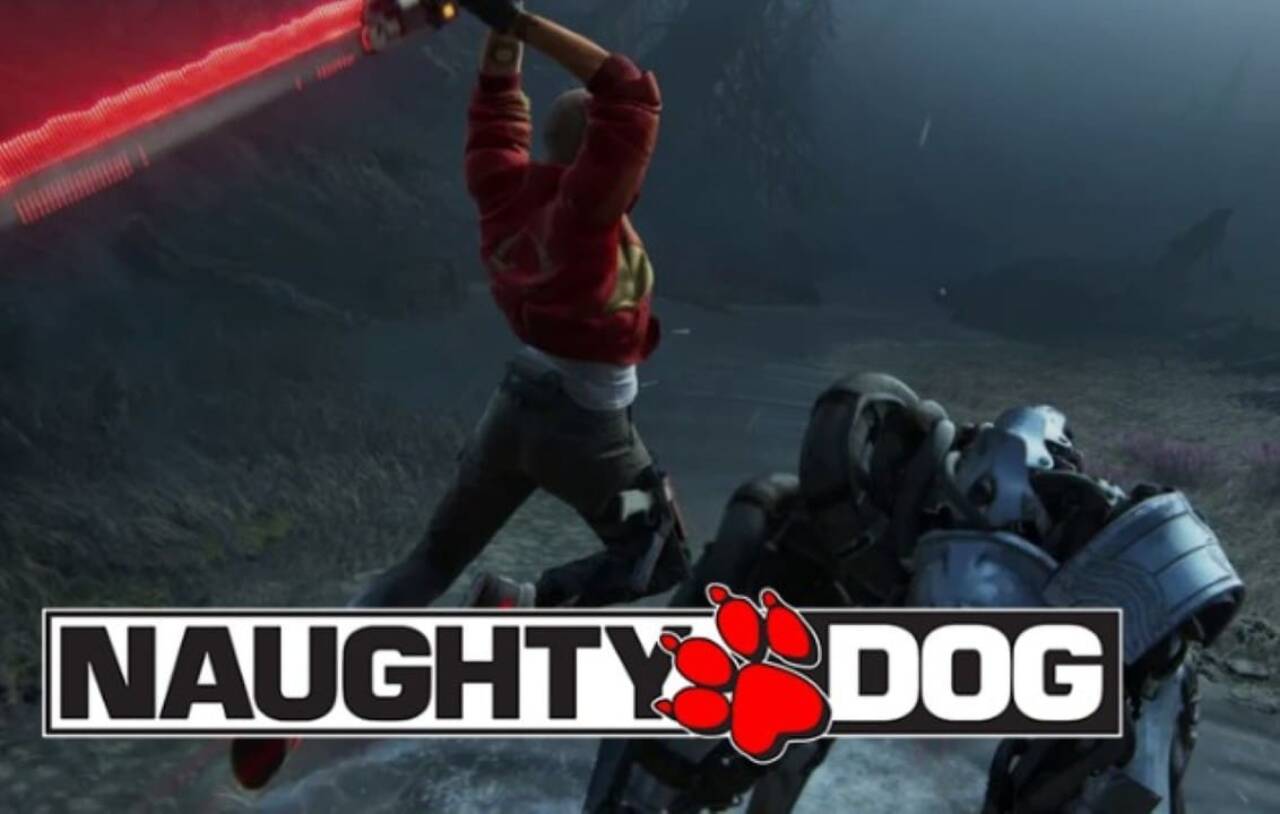
Cobranças on Naughty Dog’s release schedule
Schreier clarified that Sony definitely sees a problem with the amount of time invested by Naughty Dog in extensive production cycles. The statement came as a response to public questions about the allocation of resources within the gaming division. The studio responsible for franchises such as The Last of Us and Uncharted has not released a new title since the beginning of the decade, focusing only on recent remasters.
The journalist pointed out that rumors about budgets in the region of 300 million dollars did not come from his original investigations, but rather from estimates from followers. Ele only confirmed that Sony’s leadership has real concerns regarding the ever-increasing gap between the developer’s deliveries. Creating high-caliber games requires massive teams. Operating costs rise with each year of production delay.
Naughty Dog recently canceled a multiplayer project set in the universe of The Last of Us after years of internal work. The move highlighted the team’s difficulties in reconciling expansion into the games-as-a-service format with maintaining its excellence in narrative campaigns. Sony monitors these stumbles with caution and demands greater predictability in future deliveries.
Impasse financial affects the future of the Destiny franchise
Bungie attempted to facilitate the production of Destiny 3 throughout 2024 and 2025. Sony, however, denied approval of the budget necessary for the effective start of the project. The decision provoked immediate reactions from the Destiny 2 player base, who were already dealing with the perception that the studio’s resources were being redirected to other development fronts.
Bungie’s current focus is on the development of Marathon, a shooter focused on extraction and competition between players. The corporate choice raises questions among consumers as Destiny 2 has a proven track record of generating ongoing revenue through expansions and season passes. The direct sequence remains on hold with no plans for it to be resumed by the executives.
The acquisition of Bungie by Sony involved billion-dollar figures and the promise of accelerating the PlayStation brand’s entry into the continuous gaming market. The current scenario shows a misalignment between initial expectations and the reality of spending cuts in the technology sector. The company faces the challenge of keeping the community engaged while restructuring its internal teams to optimize profits.
Inatividade studios and restructuring of PlayStation Studios
The revelations about the pressure on Naughty Dog expose fractures in the management of the PlayStation Studios portfolio. The public perception that the studio operated autonomously and shielded itself from corporate criticism does not hold up in practice. Sony demands efficiency from all its subsidiaries, regardless of the prestige accumulated in previous generations of consoles.
The market notes that other studios in the PlayStation family have remained inactive for more than five years without announcing new products. The long period of silence from renowned teams exacerbates the need for regular releases to feed the user base. Dependence on a few successful franchises increases the financial risk of the Japanese brand’s global operation.
The leadership of the gaming division goes through transitions that directly impact the approval of new concepts. Management rigorously evaluates the commercial potential of each prototype before authorizing the hiring of hundreds of developers. The freezing of Destiny 3 illustrates this new risk containment policy adopted by the headquarters.
Controvérsias on resource allocation and priorities
The controversy gains greater proportions due to the way Bungie manages the transition of focus to Marathon. The community has received notifications that major updates for Destiny 2 will be coming to an end soon. The absence of immediate plans for a third edition leaves thousands of players with no prospect of continuity in the science fiction universe.
Sony’s stance raises suspicions about the criteria used to distribute the annual budget between the different producers. Consumers question the logic behind some recent decisions affecting the release calendar:
- Naughty Dog maintains prolonged development cycles under constant management scrutiny.
- Bungie has sequel projects frozen despite Destiny 2’s consistent historical revenue.
- Diversos PlayStation brand studios have spent more than five years without releasing new games into stores.
- The Marathon project receives full financing priority over a franchise already established in the market.
- The gaming community demands greater transparency in the technology company’s investment decisions.
The list of dissatisfactions reflects the change in electronic game consumer behavior. Audiences demand clear communication about the fate of their favorite franchises. Sony needs to balance industrial secrecy with the need to maintain engagement from its hardware installed base.
Long-term Impactos on Sony’s business model
The words of the Bloomberg journalist indicate a corporate reality that is more rigid than the public image suggests. Unconditional support for top studios has clear financial limits. Sony’s tolerance for extended deadlines diminishes as production costs for high-end games surpass the hundreds of millions of dollars mark.
The pressure for results is not restricted to smaller or recently acquired teams. Ela reaches the biggest names in the corporation’s catalog. The tension between Naughty Dog and Sony over the pace of production is expected to reconfigure internal project approval processes over the next few years. The studio preserves its reputation, but operates under much stricter efficiency criteria.
The standoff involving Bungie serves as an important precedent for the digital entertainment industry. Profitable and established Franquias are also subject to shutdowns if they are not aligned with the board’s short-term strategies. Sony faces the simultaneous challenge of ensuring a frequent release schedule and sustaining the technical quality that defines its flagship studios. The resolution of this equation will define the brand’s future in the global market.





