
Volvo identifies hot dog anxiety among electric vehicle drivers
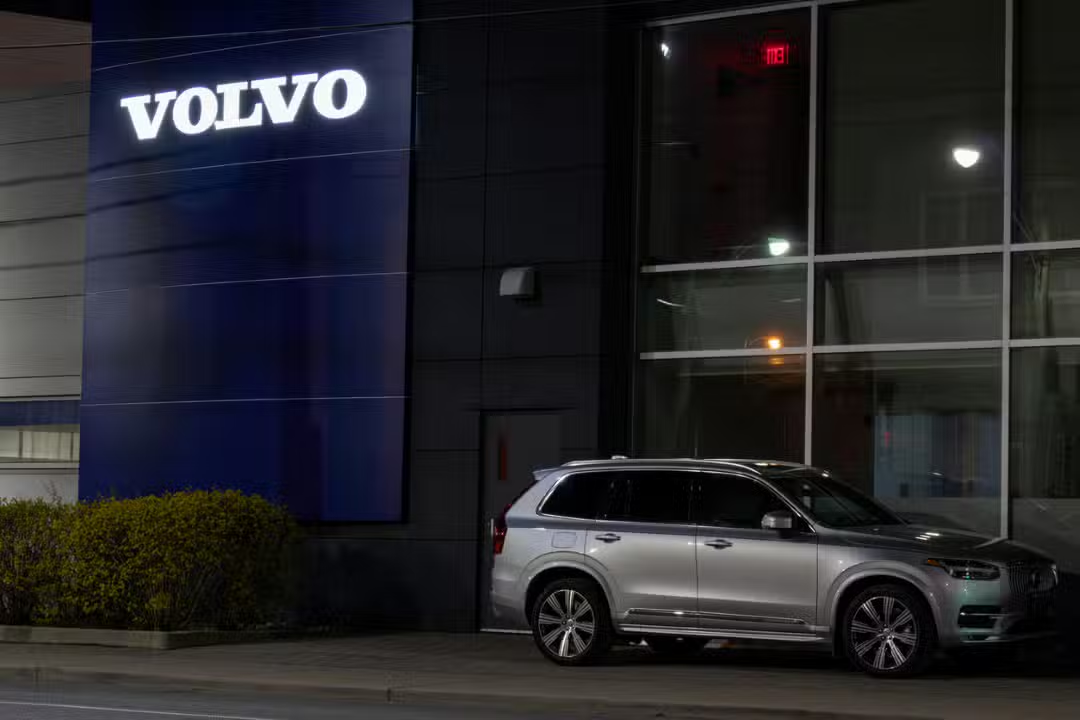
Fabricantes of electric vehicles identify a new behavior among drivers: the so-called “hot dog anxiety”. The phenomenon, according to Volvo, replaces the traditional concern with autonomy and occurs when drivers spend more time and money on charging than they really need.
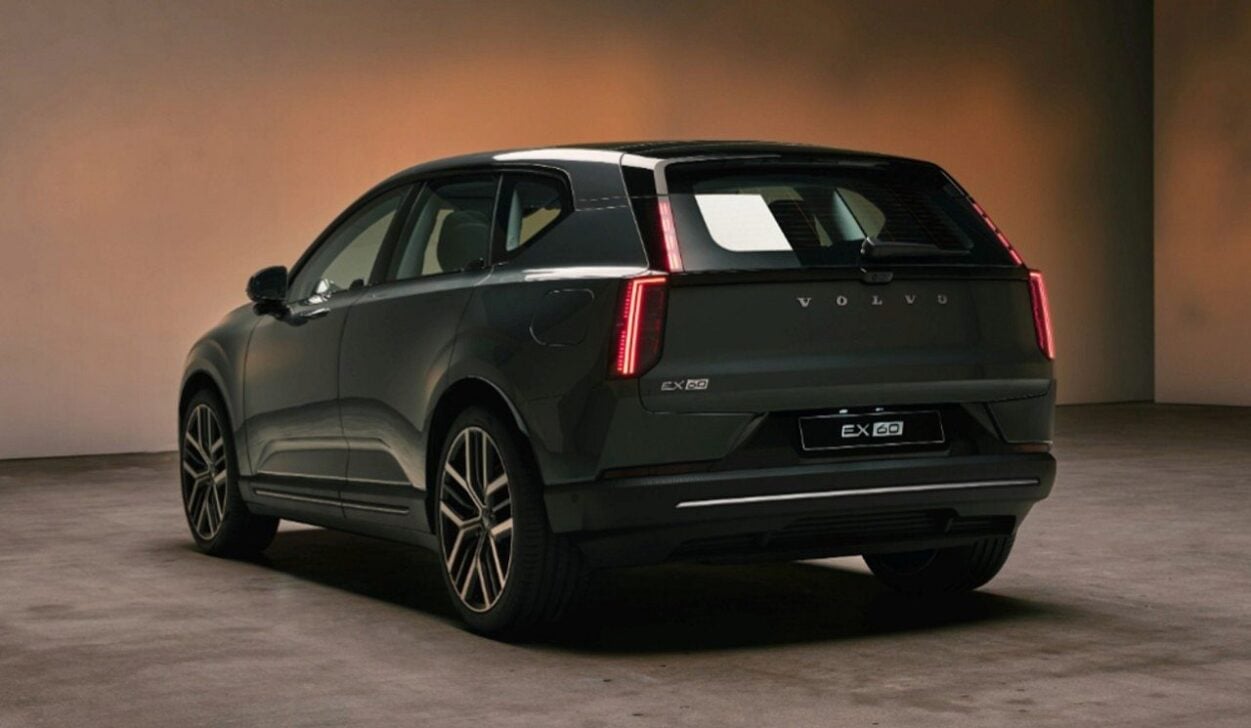
Anders Bell, director of engineering and technology at Volvo Cars, presented the concept during the launch of the EX60 model at Estados Unidos. The expression refers to drivers who stop to eat something while recharging, spend longer than necessary at the charger and, consequently, spend more resources than planned on the operation.
Ultra-fast charging Velocidades transforms experience
Extremely reduced charging times are changing the dynamics of long-distance travel. The Volvo EX60 reaches 80% battery life in just 16 minutes on a 350 kilowatt station. The newly introduced Mercedes-AMG GT goes further, charging at 600 kW and completing 10% to 80% in just 11 minutes. The BMW iX3 also impresses, adding up to 298 kilometers of range in 10 minutes with its maximum rate of 400 kW.
At these speeds, drivers theoretically only need brief stops to get enough range to their destinations. Bell reinforced this point during press presentations. Ele highlighted that most electric vehicle owners charge at home overnight, making charging on the go just a safety measure, not a necessity for a full charge.
Paradigm Mudança in the automotive industry
The automotive industry is experiencing significant transformation in battery architecture. Veículos with 800 volt technology have become progressively common, enabling charging speeds that would have seemed impossible a few years ago. The range of the new models has also reached historic heights, with 480 kilometers quickly becoming the minimum standard. Fabricantes now increasingly pursue targets above 640 kilometers.
The Hyundai Ioniq 5, priced at US$35,000, offers charging from 10% to 80% in about 20 minutes. The Kia EV6, mechanically similar, presents identical performance. Porém, beyond these models, ultra-fast speeds are still not widely found in the more affordable segments of the market.



Realidade varied between different segments
Para most Teslas and other mass-market electric vehicles, a 10% to 80% charge still consumes 30 to 40 minutes. Esses drivers are unlikely to be overcharging or accidentally spending extra resources. The situation also does not apply uniformly to homeowners who live in apartments without easy access to overnight charging. Esses drivers will prefer extra range, especially when relying exclusively on fast public chargers.
The Financial Aspect of “Hot Dog Anxiety”
Volvo has not released specific data to prove this trend in a quantifiable way. Ainda Thus, Bell’s comments highlight a broader shift underway in the industry. Durante the presentations, he exemplified: just a few minutes of fast charging accumulates US$25 in costs, making that hot dog consumed during the stop considerably more expensive than planned.
The central point raised by Volvo reflects the practical reality of modern travel in electric vehicles. If a driver is only 100 miles from home, charging up to 80% becomes unnecessary. A quick charge of up to 40% may be all that is needed to return safely and then plug the car in for a full overnight charge. Não there is reason to spend too much on a fast charger for autonomy that will not be used.
Public fast charging networks continue to expand rapidly in the Estados Unidos, with higher power stations becoming increasingly common. Essa growing infrastructure facilitates the adoption of more optimized charging strategies, reducing the need for long stops during travel.
Veja Tambem em Latest News (EN)

Gabriel Jesus refuses European giants and decides to stay at Arsenal to seek historic record

Cristiano Ronaldo and Lionel Messi’s fortunes go beyond the pitch with billion-dollar investments

Green Bay Packers running back Josh Jacobs faces arrest following five felony charges in Wisconsin

Brazilian striker details alliance with French star at Real Madrid and praises fight against racism

Arsenal star Bukayo Saka challenges Paris Saint-Germain in the Champions League final

Defender Ona Batlle ends winning streak at Barcelona and moves to Arsenal

Besiktas prepares offer of seven million euros to take goalkeeper Rossi from Flamengo in the next window

Paris St-Germain reaches the Champions League final with a brutal physical advantage over Arsenal

Former midfielder Guti questions the management of Real Madrid’s academy and points to the mystery of Xabi Alonso’s departure

England and Saudi Arabia compete to hire coach Pep Guardiola for national team football

Striker Cristiano Ronaldo secures an unprecedented trophy for Al-Nassr and raises alarm in the Portugal team
