
Wuling Bingo Pro electric hatch debuts with 102 hp engine and 510 km range in the CLTC cycle

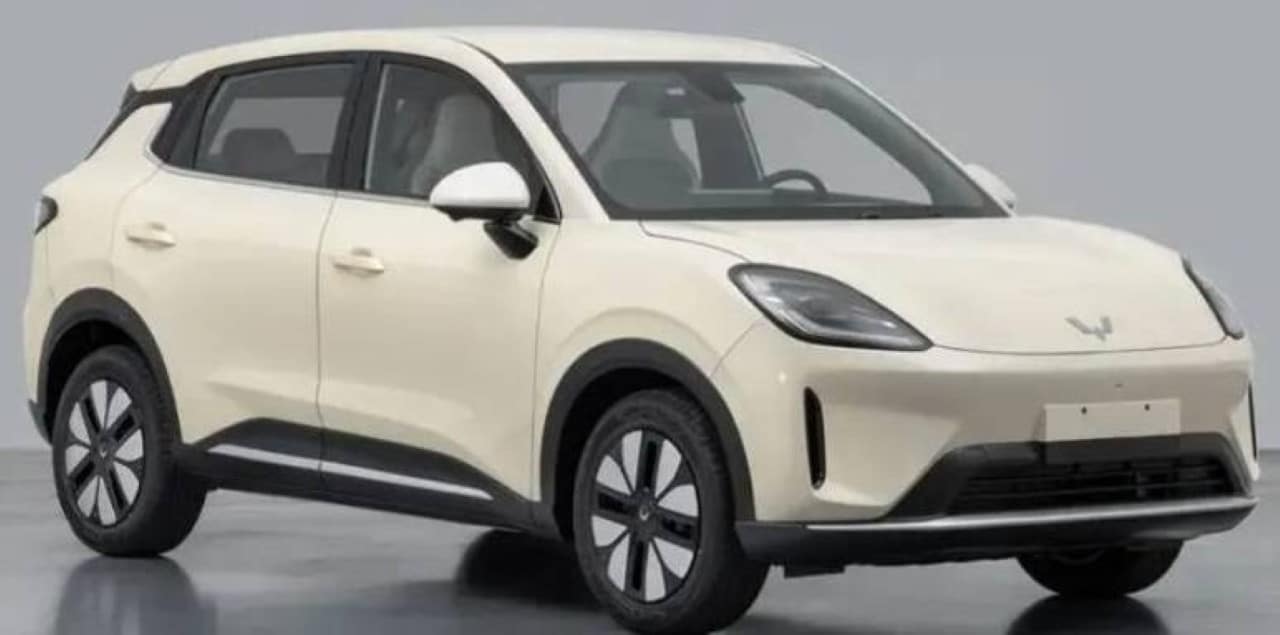
The SAIC-GM-Wuling joint venture officially launched the Wuling Bingo Pro on the global automotive market. The electric hatch receives mechanical and structural updates to compete in the zero-emission vehicle segment. The manufacturer is betting on a more powerful powertrain and high-density batteries to attract urban consumers. The model is part of the brand’s expansion strategy into emerging regions.
The partnership between SAIC Motor and General Motors uses the North American technology base to optimize compact efficiency. The vehicle emerges as a direct response to established competitors such as the BYD Dolphin and GAC Aion UT. The automaker seeks to diversify its portfolio in the face of growing demand for affordable electric mobility. The project aims to serve both daily use in cities and short and medium-distance road trips.
Especificações techniques and autonomy of the electrical set
The Wuling Bingo Pro’s engine presents advances compared to previous versions of the line. The vehicle has an electric motor installed on the front axle. Esse propellant generates a maximum power of 75 kW, which is equivalent to 102 hp. The mechanical set allows the car to exceed the 100 km/h mark with directional stability. The configuration meets highway traffic requirements without compromising energy consumption.
The model arrives at dealerships with different energy storage options. The top-of-the-line version reaches 510 kilometers of range via the CLTC cycle. The number seeks to attract drivers who avoid electric cars for fear of running out of charge on long journeys. The brand’s engineering has improved the cells’ thermal management system. Essa change ensures fast recharges at direct current stations and protects electronic components in extreme weather variations.
Arquitetura cabin and structural dimensions
The visual design of the Wuling Bingo Pro preserves the identity of the compact family, but incorporates modifications to the platform. The hatch has a wheelbase of 2,610 mm. The measure provides an internal space similar to that of compact SUVs available on the market. The exclusive base for electric vehicles made it possible to build a completely flat floor. The format optimizes accommodation for five adult passengers, in accordance with the manufacturer’s official approval.
The vehicle’s structure prioritizes safety and versatility for daily use. The automaker applied high-resistance materials to the body to meet international impact protocols. The development of the chassis considered driving conditions on different surfaces. The physical characteristics of the model include the following elements:
- Comprimento total of 4,265 mm to facilitate maneuvers on urban roads.
- Porta-bags with capacity expandable to up to 1,450 liters by folding the seats.
- Carroceria built with 74.8% high strength steel at critical points.
- Light alloy Rodas with aerodynamic design to reduce air drag.
- Calibração suspension designed to absorb impacts on uneven roads.
The combination of these dimensions places the car in an intermediate category. The vehicle surpasses traditional subcompacts in cargo volume and comfort for rear seat occupants.
Digital Integração and Ling OS operating system
The internal environment of the electric hatch focuses on the digitalization of controls and connectivity. The front panel houses a set of 10-inch screens that operate the Ling OS system. The joint venture developed this software exclusively for the brand’s vehicle line. The interface processes voice commands for air conditioning control, GPS navigation and audio application playback. The system’s response occurs in real time.
The cabin finish mixes textured plastics and synthetic coverings on the doors and seats. The Pro version leaves the factory with equipment that is usually optional on higher category cars. The driver has a reversing camera with dynamic steering lines. The rear bumper houses proximity sensors to help in tight spaces. The driver’s seat has electrical position adjustments. An 8.8-inch digital instrument cluster displays driving information and battery status.
Estratégia commercial and maintenance costs
Wuling Bingo Pro’s pricing policy acts as General Motors’s main tool to gain market share. The vehicle costs between 66,800 and 80,000 yuan at China stores. The direct conversion of these values in April 2026 results in approximately R$60 thousand. Imports and the Brazilian tax burden change the final price if sold in the country. The automaker uses this level of value to slow the advance of Asian competitors.
The competition in the electric hatch sector grew with the introduction of the Geely EX2 and the BYD Dolphin Mini. The Wuling Bingo Pro tries to attract the public looking for a flagship car, offering more space and a superior engine to its entry-level rivals. The mechanical simplicity of the 102 hp engine reduces preventive maintenance costs. The owner does not need to change the oil, fuel filters or spark plugs. The inspections focus on inspecting brakes, cooling fluids and suspension.
The regenerative braking system increases the compact’s energy efficiency. The mechanism recovers kinetic energy during decelerations and recharges the battery pack. The technology reduces the wear of conventional brake pads and discs. The savings generated by the low cost of electricity compared to gasoline attract app drivers and commercial fleet managers in large urban centers such as São Paulo and Rio from Janeiro.
Market Perspectivas to América Latina in 2026
General Motors evaluates the international expansion schedule for the tram line. Wuling Bingo Pro is already present in markets like Equador and other South American nations. The manufacturer uses these countries to analyze the acceptance of products developed at China with GM engineering. Decarbonization policies and tax incentives for zero-emission vehicles in Brasil capitals strengthen feasibility studies for the second half of the year.
The availability of public charging infrastructure remains the main obstacle to the popularization of electric vehicles in the region. The 510 km range of the Pro version minimizes this technical limitation. The range allows users to make intercity trips without relying on frequent stops at highway charging stations. The automotive market monitors the joint venture’s next steps. The company has the production capacity to transform the model into a product with high sales volume outside the Asian continent.





