Apple’s macOS 27 system excludes support for Intel chips and requires exclusive processors in 2026
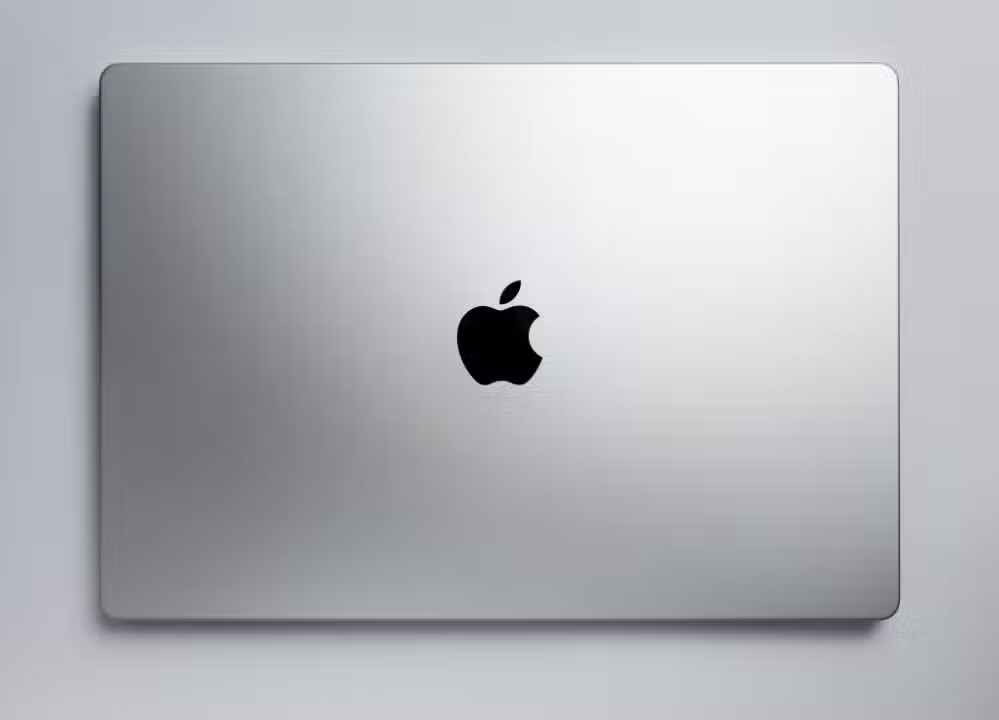
Apple has officially confirmed the end of support for Intel processors in its future computer software updates. The announcement took place during the Platforms State of the Union conference, part of the WWDC 2025 program. The current macOS 26 Tahoe will be the last version compatible with the x86 architecture. From the second half of 2026, the macOS 27 operating system will require the use of chips developed by the technology giant itself. The transition affects millions of active machines on the global market.
The strategic change consolidates a movement that began in 2020 with the launch of the M1 chip. The company’s objective is to optimize software performance and explore the artificial intelligence capabilities present in the M-series line. Usuários from older equipment will need to plan for migration to new devices. The measure aims to unify the company’s hardware and software ecosystem, eliminating dependencies on external manufacturers.
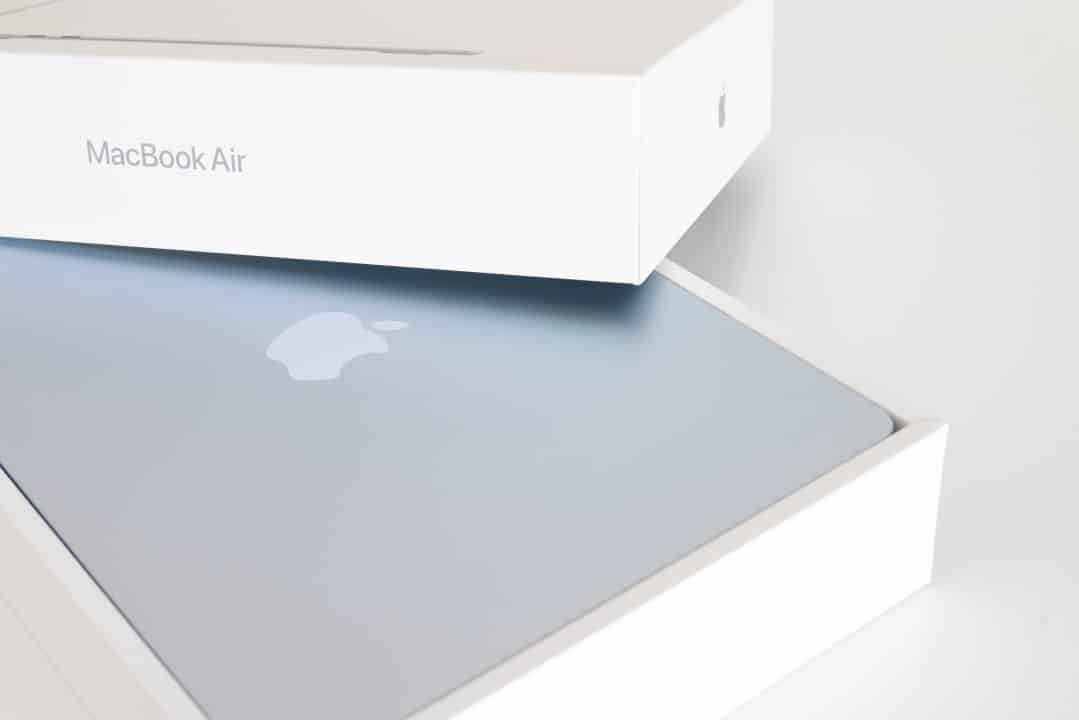
Release Cronograma and supported hardware
The development cycle of the new operating system already has dates defined by the Cupertino company. The beta version of macOS 27 will be released to registered developers in June 2026. The official launch for the general public will take place in September of the same year. Hardware exclusivity changes the brand’s upgrade scenario.
The compatibility list restricts access to technological innovations. Apenas devices equipped with the ARM architecture will receive the complete package of new features. The company detailed the processors that continue in the software lifecycle:
- Dispositivos equipped with chip generations M1, M2 and M3.
- Latest Computadores with M4 and M5 processors.
- The recently launched MacBook Neo with the A18 Pro chip.
- Fim definitive support for 2019’s iconic Mac Pro.
The requirement for own processors allows the removal of legacy codes. The operating system will be lighter and faster for users of the Apple Silicon platform. Engenheiros software will have fewer technical barriers when creating new applications.
Modelos classics that lose official compatibility
Deleting the Intel architecture directly impacts a specific list of high-performance computers. The 16-inch MacBook Pro launched in 2019 and the 27-inch iMac manufactured in 2020 top the list of discontinued devices. The 13-inch MacBook Pro with four Thunderbolt ports from 2020 is also left out. The 2019 Mac Pro tower version loses access to major updates.
Owners of this equipment will not be completely helpless in the short term. Apple will continue to provide security updates for a specified period of time. The machines will remain safe for everyday use and internet browsing. Especialistas estimates that basic vulnerability protection support will last until mid-2028.
Entretanto, redesigned interface features and new productivity tools will be restricted. The resale value of the Intel models on the used market is expected to drop sharply. The official release of the compatibility list accelerates the devaluation of these technological assets on e-commerce platforms.
The MacBook Neo strategy with the A18 Pro chip
One of the surprises for the next update cycle involves the inclusion of the MacBook Neo. The model hit the market in March 2026 and breaks engineering traditions. The computer uses the A18 Pro chip. The component was originally developed for the iPhone 16 Pro line of smartphones.



The mobile processor has an architecture compatible with the technical requirements of macOS 27. The strategy of using cell phone chips in entry-level laptops reduces production costs. The MacBook Neo offers more competitive pricing without sacrificing performance on essential tasks. The device positions itself as an accessible gateway for students and professionals at the beginning of their careers.
The Apple ensures your cost-effective products are ready for the innovations of WWDC 2026. The integration of the A18 Pro into the desktop ecosystem demonstrates the versatility of the ARM architecture. The move strengthens the manufacturer’s independence from traditional semiconductor suppliers.
Corporate Impacto and the future of the Rosetta 2 translator
Muitas Enterprises and creative studios are still operating with the 2019 Mac Pro. The machine offers great expandability and raw power for heavy rendering tasks. The absence of macOS 27 on these computers could accelerate a hardware upgrade cycle in the corporate sector. Softwares third-party professionals often require the latest version of the operating system to function properly.
The exclusion of Intel processors also defines the future of Rosetta 2. The translation layer allows you to run old applications on Apple Silicon chips. The dependence on non-native software should end soon. Support for Rosetta 2 is expected to be phased out over the next few years.
Desenvolvedores that have not yet updated their applications to the ARM architecture will need to act quickly. Removing this compatibility layer will result in an operating system focused on energy efficiency. Usuários that rely on old audio plugins or niche tools should look for modern alternatives in the software market.
Benefícios technical and advanced neural processing
The end of support for Intel marks the end of a six-year transition plan. Vertical integration between hardware and software allows for significant technological advances. macOS 27 will require a specific instruction set only present in Cupertino designs. Isso includes hardware-based security improvements and new encryption protocols.
Removing support for x86 architecture makes it easier to implement machine learning capabilities. Todos the M line chips and the A18 Pro have cores dedicated to Neural Engine. Developers can create smarter, more responsive software. Standardization eliminates ecosystem fragmentation and simplifies update distribution.
The new memory management protocols are incompatible with previous generations of Intel. The same features will run consistently across the entire product line. Apple completes its technological independence and sets a new standard for the personal computer market with the launch of macOS 27.
Veja Tambem em Latest News (EN)

Future iPhone 18 Pro will integrate translucent back and hidden photographic lens in the display

Epic Games Store consolidates access to 12 completely free big-budget games for computers in 2026
New iPhone 18 Pro brings discreet updates with A20 Pro chip while iPhone Fold gains prominence

New Ebola outbreak in the Democratic Republic of Congo records 65 deaths and mobilizes healthcare

FIFA defines 2026 World Cup calendar with 104 games in the United States, Mexico and Canada

BYD Qin Plus DM-i 2026 hybrid sedan hits the market with a range of more than 2,100 kilometers

Major launches for PlayStation 5 mark the 2026 calendar with exclusive titles

Chinese manufacturer prepares launch of Xiaomi 17 Ultra with Snapdragon 8 Gen 5 and Leica lenses

Czech store code reveals high price of Valve’s new Steam Machine for the year 2026

Accessory specialist Jaos presents off-road modification package for Toyota RAV4 at Tokyo Auto Salon 2026

Automaker starts sales of the 2026 Jeep Grand Wagoneer with Hurricane engine and new illuminated grille