

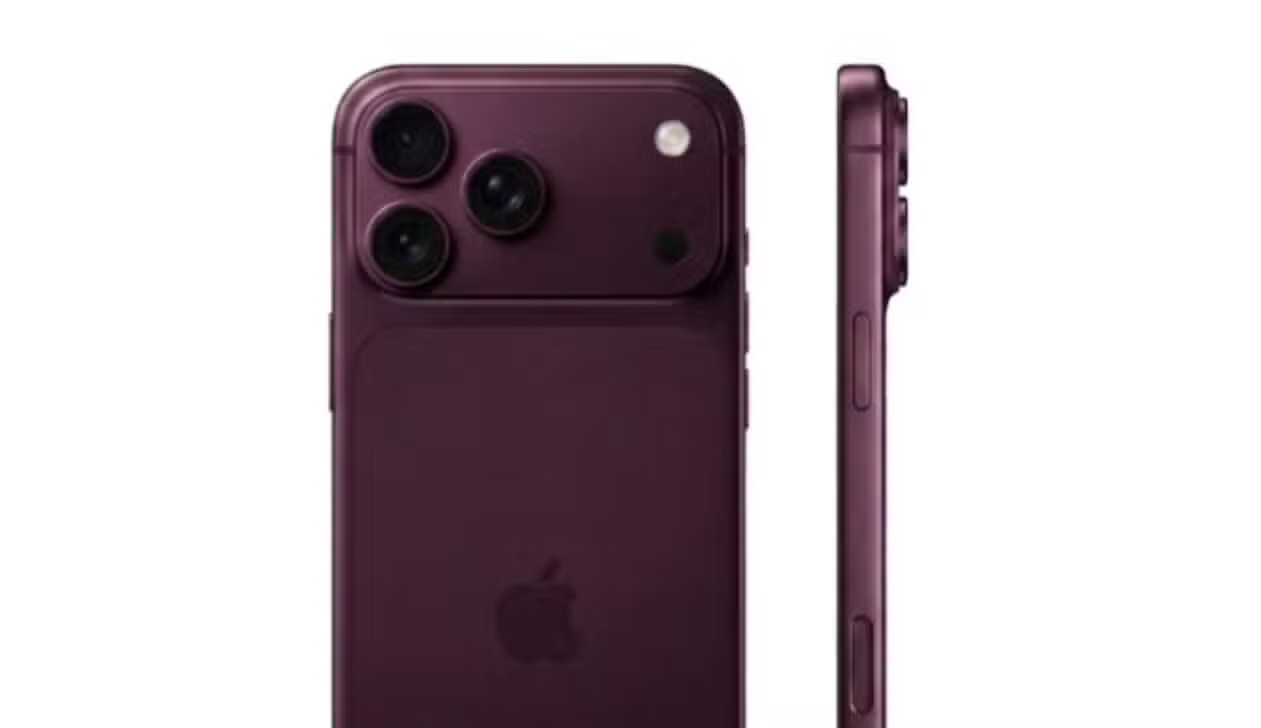
Apple officially launched two new high-performance smartphones for the global market in the second half of 2026. The American manufacturer’s strategy establishes a clear division in hardware development. The iPhone 18 Pro arrives with an unprecedented mechanical opening photography system. The iPhone Ultra marks the company’s definitive entry into the flexible screen device segment. The devices target consumers with specific demands for daily use.
The two devices share the A20 processor built under the 2 nanometer architecture. The new chip guarantees 15 percent higher performance compared to previous generation components. Power consumption is reduced by 30 percent during complex processing tasks. Energy efficiency seeks to balance the demands of bright displays and advanced optical sensors. The structural change in the catalog attempts to boost sales in a highly saturated telecommunications sector.

Mecanismo mechanical opening transforms camera system
The optical assembly of the iPhone 18 Pro receives the most significant physical modification in recent years. The 48-megapixel main lens changes its aperture dynamically. The adjustment occurs in direct response to the lighting in the external environment. The diaphragm automatically closes in bright sunlight to increase depth of field. Elements located in the background of the scene remain perfectly sharp. The system opens the lens to the maximum limit in dark places to capture as much light as possible on the sensor.
The innovation reduces the exclusive dependence on software algorithms for processing photographs. Physical light control delivers more faithful visual results in high contrast lighting situations. The traditional version maintains the rear module with three different sensors. The setup includes a telephoto lens with 8x optical zoom capability. The component uses the robust 48-megapixel base to preserve visual definition in extreme close-ups of distant objects.
Expanded Bateria and classic design mark conventional version
Energy autonomy receives specific and targeted improvements in the Pro Max variant. The phone houses a battery with an increased rated capacity of between 5,100 and 5,200 mAh. The component works in sync with the latest generation LTPO+ screen technology. The panel adjusts the refresh rate dynamically to save load when displaying static images or long texts. Improved processor thermal management helps maintain stable temperature under continuous stress from heavy gaming or high-resolution video recording.
The chassis of the bar model preserves the visual identity established by the brand over the years. The physical dimensions undergo millimetric changes that are almost imperceptible to the average user during handling. The height of the device grows by just 0.36 millimeters compared to its immediate predecessor. The width registers a subtle increase of 0.39 millimeters. The MagSafe magnetic attachment system remains firmly integrated into the glass back. The iOS operating system operates with full optimization for the rectangular format.
Foldable Aparelho debuts with expansive screen and technical restrictions
The iPhone Ultra abandons the traditional design by incorporating an articulated central hinge. The mechanical mechanism hides a flexible internal panel with an impressive 7.8 inches of usable area. The format converts the cell phone into a small tablet when opened completely by the user’s hands. The structure reaches a considerable thickness of 11 millimeters when the device is folded in a pocket. The total weight of the equipment significantly exceeds the figures of conventional models in the premium line. The battery needs to support a display area much larger than the 6.9 inches of the Pro Max version.
The complex engineering of the flexible model required severe concessions in the use of internal space. The smartphone completely discards the third rear lens dedicated to optical approximation. The photographic module only has two 48 megapixel sensors for general captures. The absence of a telephoto camera affects zoom quality and performance in detailed night portraits. The device also removes traditional support for the MagSafe standard. The lack of a magnetic ring makes it impossible to use optimized wireless chargers and attachable wallets.
Especificações details differences between the brand’s launches
Catalog segmentation creates clear boundaries between safe photographic evolution and experimentation with new physical formats. The technical characteristics of each product define the exact target audience for the company’s current generation of cell phones.
- The iPhone 18 Pro features an unprecedented variable aperture camera and three lenses with 8x optical zoom.
- The iPhone Ultra features an expansive 7.8-inch flexible screen and only two rear photo sensors.
- The 2-nanometer A20 processor integrates both devices with real gains in speed and energy efficiency.
- The battery of the Pro Max model reaches up to 5,200 mAh with the direct assistance of LTPO+ intelligent technology.
- The MagSafe charging system remains exclusive to the traditional lineup and disappears from the foldable phone’s frame.
Removing consolidated features in the articulated model directly exposes the enormous challenges of electronic component miniaturization. The development team prioritized the physical integrity of the flexible screen over maintaining practical magnetic accessories and complex photo modules. The rigorous technical decision positions the device as a niche product. The focus is strictly on media consumption and productivity in an expanded viewing area.
Joint Mecanismo raises doubts about daily resistance
The central hinge of the iPhone Ultra configures the main point of uncertainty of the entire hardware project. Engineers deal with real difficulties to ensure the absolute resistance of the component after years of continuous and aggressive use. The durability of the screen’s protective film after thousands of daily opening cycles remains under rigorous industry analysis. Structural resistance against accidental impacts on the floor drops drastically due to the presence of sensitive moving parts. Native software still requires complex adaptations to move seamlessly between screen ratios without crashing applications.
The manufacturer allocated a significant amount of financial resources to mitigate mechanical failures. The global market sees the brand’s first flexible generation as a great practical test on an immense scale. Consumidores focused on image quality find the iPhone 18 Pro the safest alternative. Variable lens advance caters to demanding photographers. The foldable model requires tolerance to the hardware limitations imposed by the format. Problemas premature physical wear and tear may occur. The buyer’s final choice depends entirely on the usage profile and financial availability.