
Artemis 2 mission crew flies over the far side of the Moon and collects unprecedented geological data

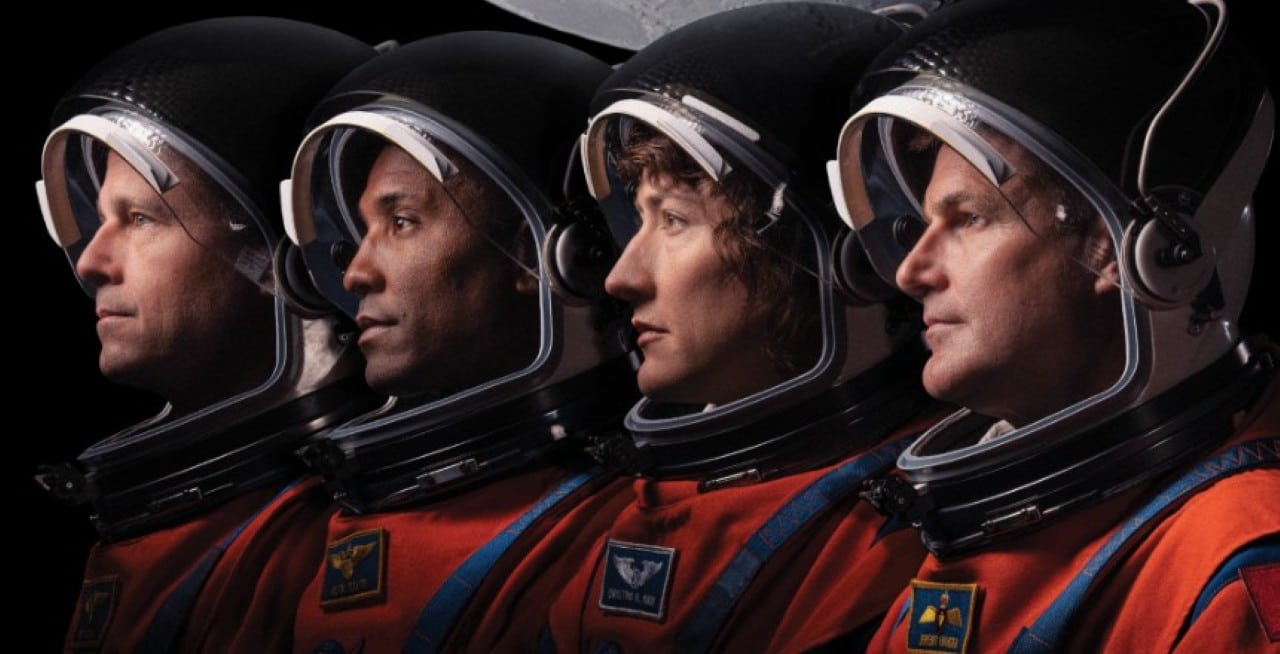
The Orion capsule reached its closest approach to the lunar surface this Monday. The event marks a critical stage in the Artemis 2 mission. The feat is historic. Astronauts Reid Wiseman, Victor Glover, Christina Koch and Jeremy Hansen observed the hidden face of the natural satellite. The crew is the first to view this region in more than five decades. The phenomenon of synchronized rotation keeps this hemisphere always facing the opposite direction to Terra. The spatial-mechanical process equalizes the rotation and translation time of the celestial body.
Scientific exploration of the area provides essential data about the formation of the solar system. The opposite side of Lua acts as a fossil record of ancient cosmic impacts. The landscape differs radically from the basalt plains on the visible side. The terrain features colossal mountains and a significantly higher density of craters. Geólogos from Nasa attribute the morphological difference to the asymmetric cooling of the satellite. The rock structure and crustal thickness appear much more robust in the unobservable region of our planet.
Diferenças morphological and composition of the lunar crust
The surface found by the Orion crew functions as a planetary protection shield. The hemisphere has absorbed the impact of space debris for billions of years. Meteoritos that could reach Terra collided with this lunar face over time. Continuous exposure generated an extremely rugged relief. Deep Depressões and high peaks characterize the local topography. Lunar gravity acts specifically on these complex geological formations.
The Sol illuminates the territory intensely during the flyover. The popular idea that the dark side remains dark is scientifically incorrect. Lua is in a new phase for terrestrial observers. The opposite side receives direct solar radiation at this exact moment. The excess light makes it possible for the crew to use high-resolution cameras. The equipment maps regions of interest for the future Artemis 3 mission. The topographic survey will help in choosing locations for permanent bases.
- The absence of large seas of solidified lava makes the ground lighter and more reflective.
- The terrain has anorthosite in its main composition.
- The pale rock indicates the presence of an ancient, preserved crust.
- The thickness of the crust prevents subsurface magma from reaching the surface.
- Visual monitoring validates data collected by automatic orbital probes.
The collection of visual information complements the work of automated instruments. The precision of the ship’s optical equipment identifies craters just a few meters in diameter. Telescópios based on the Earth’s surface cannot achieve this level of detail. The ultra-high definition images will undergo processing in the coming days. The material meets the objectives of scientific education and advanced topographic analysis. The international community awaits the release of the unprecedented photographic records.
Isolamento radio and ship trajectory adjustments
The maneuver generates a period of radio blackout for control teams in Houston. The Orion capsule is positioned behind the physical mass of the Lua. Communication with Terra is completely and immediately blocked. Astronauts operate in absolute autonomy for several minutes. Radio waves do not pass through thousands of kilometers of solid rock. The ship’s systems work automatically or under direct manual command from the crew. Tension in the command center peaks at this stage.
The Orion performs essential trajectory adjustments during communication silence. Lunar gravity propels the spacecraft back toward Terra with mathematical precision. The gravity assist maneuver reduces the mission’s fuel consumption. The procedure tests the resistance of life support systems. The environment presents intense levels of space radiation. The crew performs contextual scientific observations during this isolation interval. Manually collected data overcomes the limitations of robotic sensors in certain analyses.
Agências spacecraft develop projects to mitigate isolation on future missions. Planning includes the launch of dedicated relay satellites. The equipment will be positioned at strategic Lagrange points. The infrastructure will allow constant contact between ships on the dark side and Terra. Current testing of the Artemis 2 validates the autonomy capability of the modern crew. Immediate support from the control center is unnecessary in specific short-term maneuvers. The evolution of space communication technology is advancing rapidly.
Monitoramento Radiation and Astronaut Health
The Artemis 2 mission carries focused biological experiments into deep space. The studies analyze the impact of cosmic radiation on the human body. The ship operates far beyond the protection of Van Allen’s belt. The hidden side of the Lua lacks the magnetic shielding present on the Terra. The environment provides crucial data for trip planning up to Marte. Sensores scattered throughout the cabin and on the suits record the flow of solar particles. Continuous measurement ensures team safety.
The shielding of the Orion capsule demonstrates high effectiveness in containing radiation. Exposure levels remain within aerospace medical limits. Astronauts Reid Wiseman, Victor Glover, Christina Koch and Jeremy Hansen follow an exercise routine. Rigorous physical activity mitigates the effects of prolonged microgravity. Health data reaches doctors on the ground after the signal is restored. The assessment of physical vigor takes place in real time on control monitors.
Retorno to Terra and impact for future lunar bases
The Orion capsule resumes signal with the Deep Space Network network antennas after a complete revolution. The transmission sends gigabytes of unprecedented information to research centers. The structural integrity of the spacecraft undergoes continuous and rigorous monitoring. The heat shield will face extreme conditions upon atmospheric re-entry in the coming days. The technical parameters of the mission follow the originally established schedule. Oxygen and energy levels operate at nominal capacity without experiencing failures.
The success of the current stage makes it possible to install infrastructure at the lunar south pole. Engenheiros uses thermal and mineral data to design resilient habitats. The structures will need to withstand extreme temperature variations in the extraterrestrial environment. Micrometeorite bombardment requires highly durable materials and advanced technology. Landing maps for subsequent missions will undergo refinement with the new images. The central objective involves long-term human permanence on the natural satellite.
The hidden side of the Lua offers ideal conditions for installing low-frequency radio telescopes. The lunar mass acts as a natural filter against Terra’s electromagnetic noise. The region has soil stability and adequate visibility for sensitive equipment. Astrônomos plan to observe the deep universe from the radio tranquility of that area. Artemis 2 establishes the necessary connection between the Apollo program and future colonies. The spacecraft continues on a return trajectory for the final dive into Oceano Pacífico.





