Foods that strengthen the intestinal microbiota improve digestion and immunity
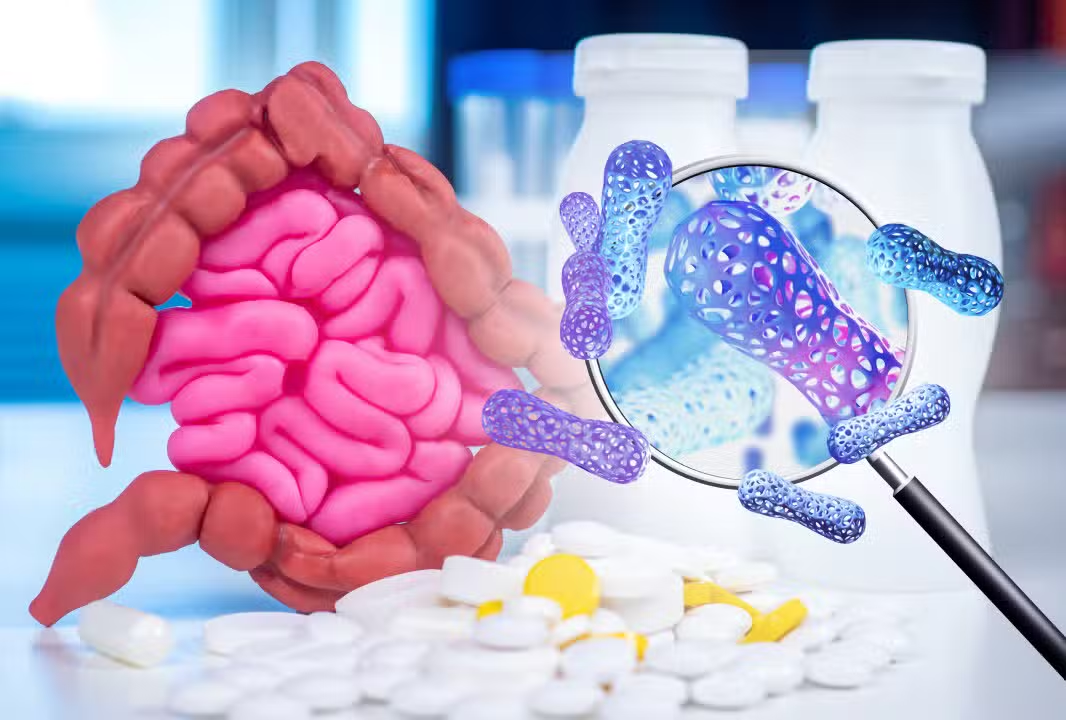
The intestinal microbiota functions as a complex ecosystem made up of trillions of microorganisms that play crucial roles in maintaining health. Esse set of bacteria actively participates in digestion, absorption of nutrients, production of hormones and defense of the body against pathogens. The balance of this microbial community directly influences quality of life and general well-being.
Food has a determining influence on the balance of intestinal bacteria. Embora genetics, age, medication use and lifestyle also affect the composition of the microbiota, diet represents one of the most relevant factors for its modulation and continuous strengthening.
Alimentos rich in soluble fiber supports intestinal health
Soluble Fibras serve as direct food for beneficial bacteria in the intestine, stimulating their growth and proliferation. Alimentos such as oats, apples, carrots, broccoli and sweet potatoes contain significant amounts of fiber that feeds microorganisms. Regular intake of these foods creates a favorable environment for the multiplication of bacteria that strengthen immunity and improve the absorption of essential nutrients.
Recent Estudos demonstrate that people who consume foods rich in soluble fiber daily have greater intestinal microbial diversity. Essa diversity is directly related to reduced inflammation, better metabolic control and lower incidence of chronic diseases. Adequate fiber consumption also promotes a prolonged feeling of satiety and contributes to maintaining a healthy weight.
Alimentos fermented and natural probiotics
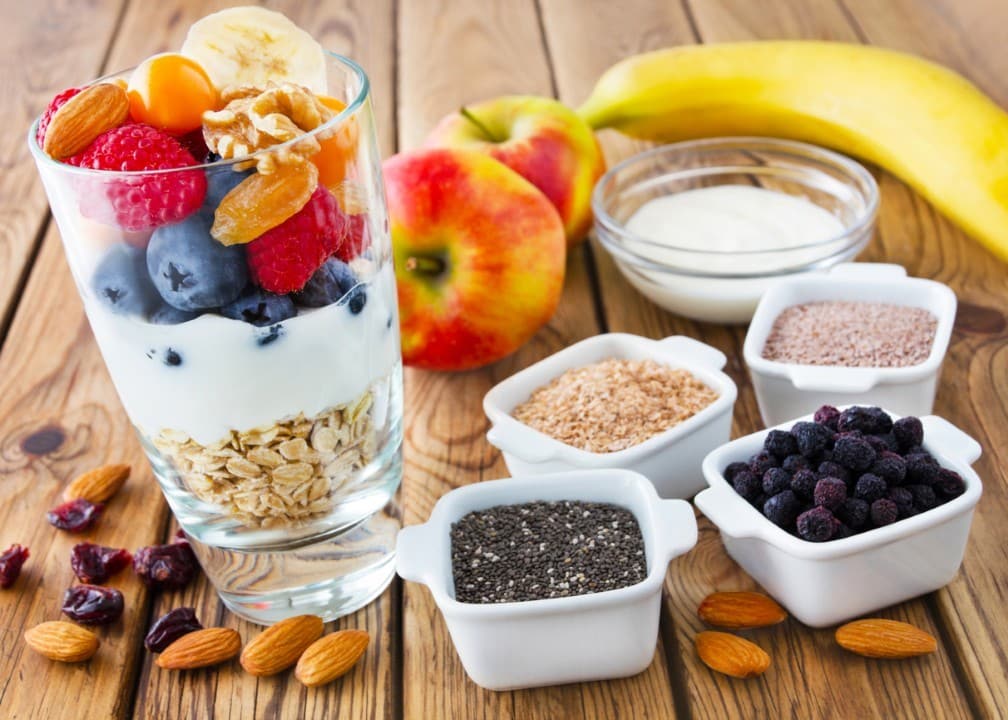
Fermented Alimentos contain live microorganisms that colonize the intestine and strengthen the existing microbiota. Natural Iogurte, kefir, sauerkraut, kimchi and miso offer high amounts of beneficial bacteria that improve digestive health. Esses foods must be consumed regularly to ensure continued benefits to the intestinal flora.
Natural fermentation preserves nutrients and increases the bioavailability of vitamins and minerals present in the original foods. Consumidores users of yogurt and kefir report significant improvement in symptoms such as abdominal bloating, constipation and intestinal sensitivity. The inclusion of these foods in the eating routine contributes to rapid rebalancing after periods of antibiotics or inadequate diets.
Alimentos rich in polyphenols benefits the intestinal flora
Polifenóis are antioxidant compounds found in fruits, vegetables and beverages that feed beneficial bacteria. Mirtilo, strawberries, purple grapes, green tea, dark chocolate and extra virgin olive oil contain high concentrations of these substances. Polyphenols undergo fermentation in the large intestine, producing metabolites that strengthen intestinal barriers and reduce permeability.

Sam Slater reveals details of Saros’ soundtrack, fusing drone metal, synthesizers and manipulated voices in Eclipse

The long-awaited chapter 1183 of One Piece begins the colossal battle between Imu and Loki in the complex Elbaph arc

Google Pixel contextual suggestions feature expands to Galaxy S25 Ultra and OnePlus 15 in Brazil
Alimentos rich in polyphenols demonstrate anti-inflammatory potential that benefits the entire population, especially those with intestinal sensitivities. Regular consumption of foods containing polyphenols is associated with a lower prevalence of irritable bowel syndrome and chronic inflammation. Essas substances also act as prebiotics, specifically feeding the beneficial microorganisms present in the intestinal ecosystem.
Lista of essential foods to strengthen the microbiota
- Aveia wholemeal: excellent source of soluble fiber that feeds beneficial bacteria
- Iogurte natural sugar-free: contains live lactobacilli that repopulate the intestinal flora
- Brócolis and cruciferous vegetables: provide fiber and antimicrobial sulfur compounds
- Chucrute and fermented foods: offer proven live microorganisms
- Wild Frutas: rich in polyphenols that serve as food for bacteria
- Alho and onion: contain inulin, an especially beneficial soluble fiber
- Extra virgin olive Azeite: rich in polyphenols and monounsaturated fatty acids
Padrões foods that harm intestinal balance
Dietas rich in processed foods, refined sugars and saturated fats cause dysbiosis, a condition characterized by an imbalance of the microbiota. Refrigerantes, processed sweets and fast food progressively eliminate beneficial bacteria, favoring the growth of potentially pathogenic microorganisms. Essa alteration in the composition of the intestinal flora is related to the development of chronic inflammation and compromised immune function.
Excessive consumption of refined sugar preferentially feeds harmful bacteria, creating an unfavorable environment for protective microorganisms. Esse imbalance can take weeks to reestablish itself, even after positive dietary changes. Pesquisadores recommend a gradual reduction in processed foods and a simultaneous increase in natural foods for a more tolerable transition by the digestive system.
Whole Abordagem for lasting gut health
Maintaining a healthy microbiota involves more than just selecting specific foods. Adequate Hidratação, regular physical exercise, quality sleep and stress management complement the effects of a balanced diet. Esses factors work together to create an optimized intestinal environment with high microbial diversity and predominant beneficial bacteria.
Significant Mudanças in microbiota composition can be observed within 2 to 4 weeks after consistent dietary changes. Maior benefit occurs when the foods mentioned are integrated into the usual eating pattern, creating long-term sustainability. Consulta with a qualified nutritionist guarantees a personalized approach, respecting individual preferences, dietary restrictions and specific health conditions of each person.
Veja Tambem em Latest News (EN)

Northgard free on Epic Games Store Mobile: Norse mythology game available until June 4

Palmeiras x Junior Barranquilla: where to watch live and line-up confirmed for the Libertadores game

Offer reduces the price of the Hyundai Creta Limited 2027 by R$23,000 to intensify the dispute with the Fiat Pulse Audace

Coach Laurie Daley backs Mitch Moses into State of Origin Game II after thigh injury

Eric Kripke details reasons for rejecting controversial comic book twist at the end of The Boys

Thorough community investigation reveals Leonida’s complete fauna catalog in GTA 6 trailer

Technology giant launches foldable iPhone Ultra and 18 Pro version with dynamic aperture camera

Ebola outbreak hits the Democratic Republic of Congo and leaves 65 dead in mining areas

Demand for the iPhone 18 Pro surpasses the foldable version and ensures Apple’s sales leadership for 2026

Sony’s official Days of Play 2026 campaign applies discounts of up to £120 on PlayStation 5 consoles and accessories

CD Projekt Red confirms DLC for The Witcher 3 in 2027, postponing The Witcher 4 to 2028 or 2029