

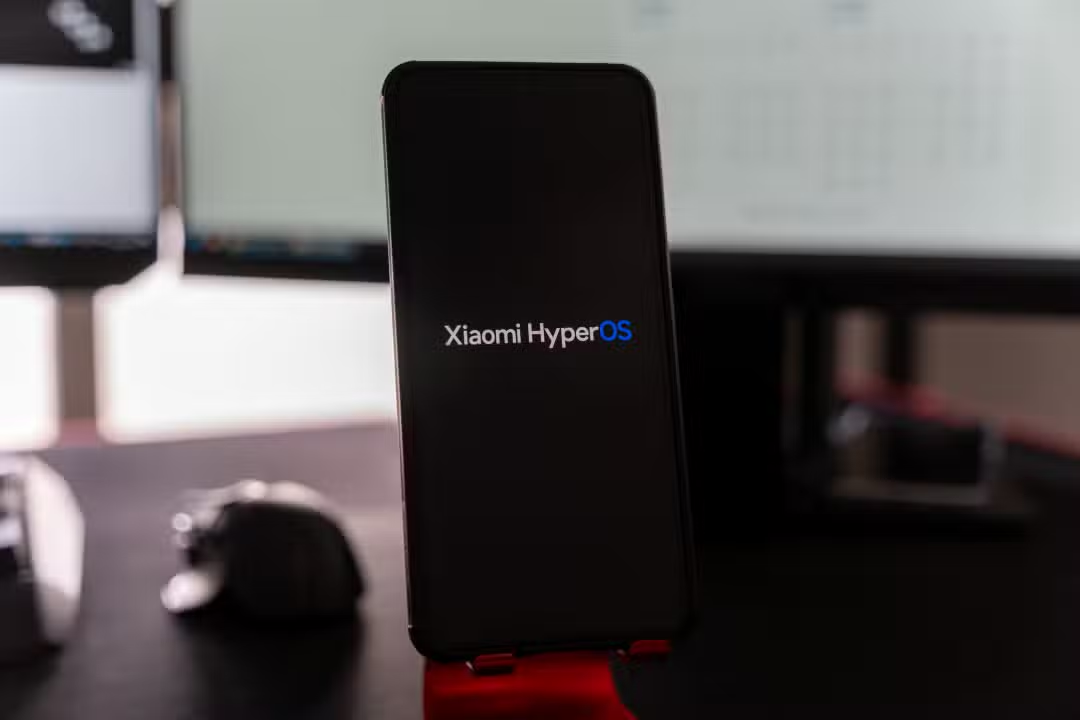
Chinese manufacturer Xiaomi is preparing to launch the HyperOS 3.1 operating system based on Android 16. A preliminary list indicates that several smartphones from the Xiaomi, Redmi and POCO brands will be without the new version. The focus on advanced artificial intelligence capabilities requires newer hardware. The company has not yet published the official schedule for distributing the software.
The leak indicates a profound change in the Asian company’s strategy for the mobile device market. The integration of native artificial intelligence functions limits support for models released in recent years. Older Aparelhos will receive HyperOS 3.0 as the last major software update. Outros devices will stop receiving news even before the arrival of Android 15. The information has been circulating in the technology market since January 2026 and affects consumers’ planning.

Exigências artificial intelligence techniques and processing
The new HyperOS 3.1 intensifies the use of the neural processing unit to run tools directly on the cell phone. The piece of hardware, known by the acronym NPU, manages artificial intelligence tasks without relying on a connection to the cloud. Older Chipsetss face technical difficulties running these complex features. Processadores like Snapdragon 8 Gen 1 lose performance when trying to process new functions required by the system.
Xiaomi adopts this stance to optimize the user experience on high-end devices. Modelos more recent premium intermediaries also enter the Chinese manufacturer’s list of priorities. Entry and mid-range Celularess launched between 2022 and 2024 represent the largest portion of those affected. The technical limitation prevents the system from working with the fluidity required by the brand’s developers.
Generative AI tools include advanced image editing and creating intelligent text summaries. The system also offers contextual assistants natively integrated into the user interface. The requirement for robust hardware ensures that functions operate quickly and securely. Local data processing protects the owner’s privacy by avoiding constantly sending information to external servers.
Smartphones limited to HyperOS 3.0 version
Diversos devices from the company’s catalog will receive HyperOS 3.0 as the final major update. The version uses Android 15 as the operational base for the applications to operate. Esses devices lose access to HyperOS 3.1 new features and exclusive neural processing optimizations.
The list includes high-end cell phones from previous generations that still perform well on a daily basis. Owners of these models will maintain security support for an additional period determined by the manufacturer. Vulnerability fixes remain active, but without the addition of new visual or systemic functions to the interface.
The preliminary list of devices that stop at version 3.0 covers different lines from the Asian company.
- Xiaomi 12
- Xiaomi 12 Pro
- Xiaomi 12S
- Xiaomi 12S Pro
- Xiaomi 12S Ultra
- Xiaomi 12T Pro
- Xiaomi MIX Fold 2
- Xiaomi Pad 6 Max 14
- Xiaomi Civi 2
- Xiaomi Civi 3
- Xiaomi 13 Lite
- POCO F5
- POCO F5 Pro
- POCO M6 Pro
- POCO X6 Neo
- POCO C65
- Redmi K60
- Redmi K60 Pro
- Redmi Note 12 Turbo
- Redmi Note 12T Pro
- Redmi Note 13R Pro
Users of these smartphones will not notice immediate performance drops after the major update cycle ends. The overall stability of the system remains preserved for everyday use of messaging and social media applications. Third-party Aplicativos available on the official store provides some of the tools missing in the native Xiaomi software.
Dispositivos with no prospect of receiving Android 15
A second group of devices faces an even more severe restriction on the company’s update schedule. Esses devices should not even receive the complete HyperOS 3.0 with the Android 15 system. The models mainly belong to the entry lines and basic intermediaries launched in the years 2023 and 2024.
The decision reflects Xiaomi’s support policy for the global mobile phone market. The company prioritizes software development for models with the highest recent sales volume. Affected consumers will only receive security packages for a limited time before support ends completely.
Devices that are left out of the update to Android 15 include popular versions on the market.
- Redmi Note 13 4G (including NFC version)
- Xiaomi 12T
- Redmi Note 12 4G (including NFC and variants)
- Redmi Note 12S
- Redmi Note 12R
- Redmi 12 (including 5G version)
- Redmi 13C (including 5G version)
- Redmi 13R
The basic browsing experience, access to digital platforms and multimedia consumption do not undergo significant changes on these cell phones. The hardware of these devices meets the needs of less demanding users on a daily basis. The limitation mainly affects consumers looking for the most modern features on the mobile technology market.
Impacto on the market and alternatives for consumers
HyperOS represents the definitive replacement of the old MIUI system on the brand’s devices. The cleaner and more fluid interface debuted on the manufacturer’s cell phones in 2023. Xiaomi gradually expands the distribution of updates to several global regions. The process of sending data packages always starts from the China market. Newer Dispositivos, such as the Xiaomi 15 and 17 series, receive absolute priority when accessing new features.
Owners of affected models in Brasil find a landscape of varied options on the new and used device market. Muitos cell phones present on the exclusion lists still offer adequate performance for daily tasks and banking applications. Software restrictions encourage switching to newer generations that guarantee long-term support. Lojas specialized in technology register an increase in queries about system compatibility before making a purchase by Brazilians.
The Asian manufacturer maintains a broad catalog with regular launches in the Redmi and POCO lines. The new models focus on the cost-benefit ratio for the end consumer. Celulares intermediaries designed for the years 2025 and 2026 already have confirmation of eligibility for HyperOS 3.1. Users can check the exact status of their devices through the device’s own settings menu.
Xiaomi adjusts its support policy periodically to keep up with rapid technological advances in the sector. Generations of cell phones classified as flagship receive up to five years of major updates in specific cases. The focus on local artificial intelligence processing sets the trend for the coming years in the Android device segment. Fabricantes competitors also adopt similar approaches in their respective operating systems to ensure competitiveness in the global smartphone market.