
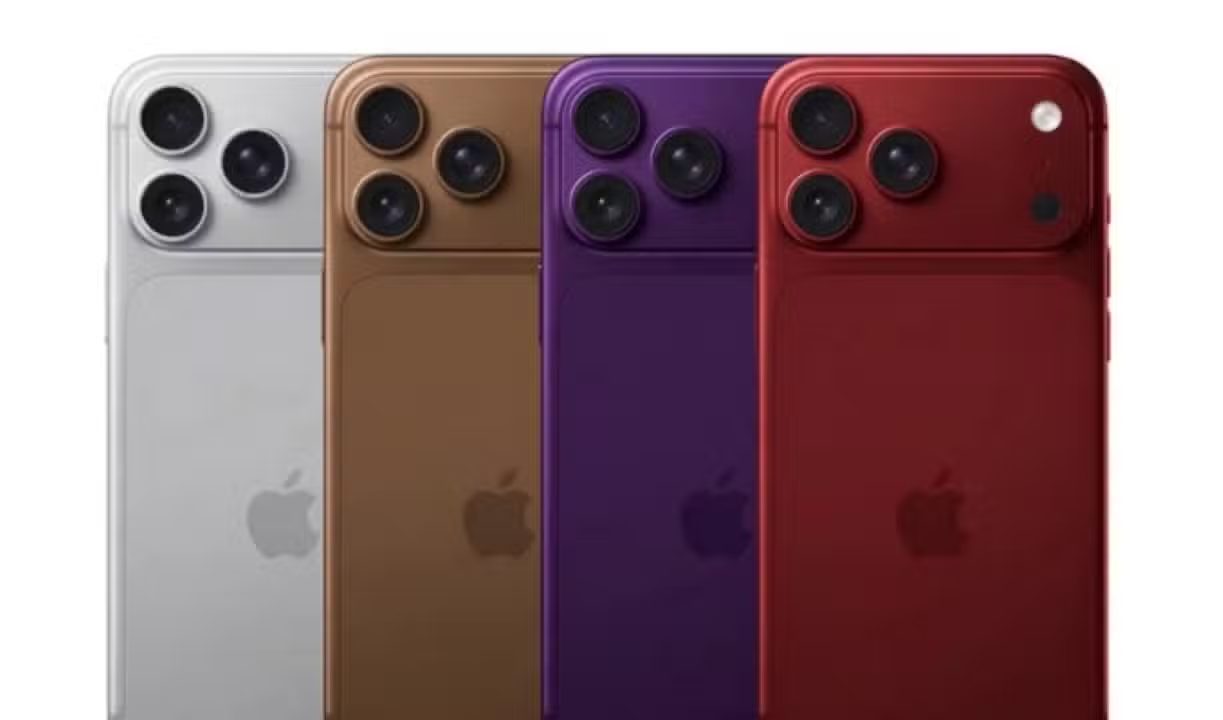
Apple advances in the development of the iPhone 18 Pro and iPhone 18 Pro Max models for launch scheduled in September 2026. Information from Asian suppliers points to a profound internal redesign of the devices. The manufacturer’s focus is on the new 2 nanometer processor and a camera system with variable aperture. The devices maintain their positioning in the premium segment of the mobile phone market.
Analistas from the supply chain detail that the company preserves the visual identity of the line, but implements changes to the rear structure and front module. The changes seek to optimize energy consumption and improve the ergonomics of the phones. The strategy also includes the introduction of connectivity components developed internally by the brand itself.
https://twitter.com/theapplecycle/status/2040829509948059980?ref_src=twsrc%5Etfw
Mudanças on screen and Face ID system reduction
The new smartphones maintain the screen dimensions introduced in the previous generation. The iPhone 18 Pro model features a 6.3-inch display. The iPhone 18 Pro Max version offers a 6.9-inch panel. The main frontal visual change occurs in the Dynamic Island, which suffers a reduction of up to 35% in its total size.
Essa reduction in the upper cutout results from new internal engineering. Apple plans to position the flood illuminator component, essential for the operation of the Face ID, under the device’s screen. The modification frees up space on the panel without compromising the speed or security of biometric facial recognition.
The leaked structural specifications indicate the following parameters for the external design:
- Manutenção of the raised plateau to house the three rear lenses.
- Utilização of panels with LTPO+ technology for greater energy efficiency.
- Vidro rear Ceramic Shield with matte finish integrated into the aluminum.
The adoption of LTPO+ technology allows devices to manage refresh rates more precisely. The system reduces battery consumption when viewing static content. The new finish of the Ceramic Shield eliminates the split appearance of previous generations and improves the attachment of accessories compatible with the MagSafe standard.
Atualizações in photographic set and side button
The camera module receives technical updates aimed at professional image capture. The 48-megapixel Fusion main sensor gains a variable aperture mechanism in the two models in the Pro line. The physical feature controls the entry of light into the lens mechanically. The technology operates on similar principles to traditional DSLR cameras.
The implementation of variable aperture gives users greater control over depth of field. The system automatically adjusts exposure in challenging lighting environments. The manufacturer also tests a three-layer stacked sensor provided by the Samsung. The South Korean component expands the dynamic range of photographs and reduces digital noise in night scenes.
The Camera Control side button undergoes a hardware overhaul. Apple simplifies the mechanism and removes support for swipe gestures present in previous versions. The new part operates exclusively through pressure sensors. The change reduces manufacturing costs and reduces the complexity of any technical repairs.
The front camera follows the improvements of the rear module. The resolution of the selfie sensor increases to ensure greater clarity in video calls and vlog recordings. Image processing via software works in conjunction with the new lenses to balance the colors and contrast of photos.
2-nanometer Processador and new connectivity
The performance of the devices depends on the unprecedented A20 Pro chip. The part uses the 2 nanometer manufacturing process developed by TSMC. The reduced transistor architecture guarantees a leap in speed compared to the 3 nanometer A19 Pro processor. The component also reduces the device’s heating during graphically demanding tasks.
Mobile connectivity marks the transition to proprietary components. The phones debut the C2 modem, designed by Apple engineers to replace third-party parts. The chip succeeds the C1 and C1X versions with native support for 5G satellite networks in the NR-NTN standard. The technology makes data transmission and internet browsing possible in isolated regions.
Short-range connection management is handled by the new N2 chip. The part replaces the current N1 and unifies the smartphone’s wireless communication protocols. The component offers integrated support for the Wi-Fi 7 and Bluetooth 6 networks. The hardware update also covers the Thread protocol for home automation.
The integration between the A20 Pro processor, the C2 modem and the N2 chip creates a more efficient internal ecosystem. File transfers via AirDrop occur with lower latency. The Personal Hotspot function gains stability in environments with high radio signal interference.
Capacidade Battery and Finish Options
Autonomy of use receives special attention in engineering design. The iPhone 18 Pro Max model features a chassis with slightly increased thickness compared to its predecessor. The extra space accommodates a battery with an estimated capacity of between 5,100 and 5,200 mAh. Superior power reserve works together with the LTPO+ panel to extend time away from outlets.
The standard iPhone 18 Pro model also records gains in energy capacity, respecting the limitations of its 6.3-inch chassis. The thermal management of the 2 nanometer processor prevents wasted charge in the form of heat. Internal testing points to a more consistent daily wear cycle in both sizes.
The professional line’s color palette introduces an unprecedented option for consumers. Apple prepares a deep red tone, informally cataloged as burgundy or deep red. The exclusive color marks the first application of red in the Pro family. Supplier information suggests that the traditional black finish may leave the official catalog in 2026.
Launch Estratégia and foldable model
The company’s advertising calendar undergoes strategic changes for the new generation. The September 2026 presentation focuses the spotlight on the iPhone 18 Pro and iPhone 18 Pro Max models. The event also serves as the stage for the unveiling of the brand’s first foldable smartphone. The flexible device shares the A20 Pro processor with traditional high-end phones.
The entry-level versions of the cell phone family are for a second time. The schedule indicates that the base models of the iPhone 18 will only hit the market at the beginning of 2027. The division of launches allows the manufacturer to prioritize the allocation of advanced components, such as TSMC’s 2-nanometer chips, for the most expensive products.
Separating sales dates relieves pressure on the Asian assembly chain. The factories focus initial efforts on producing screens with the new Dynamic Island and camera modules with variable aperture. The global distribution of premium devices follows the company’s historical pattern, arriving in stores weeks after the official event.