
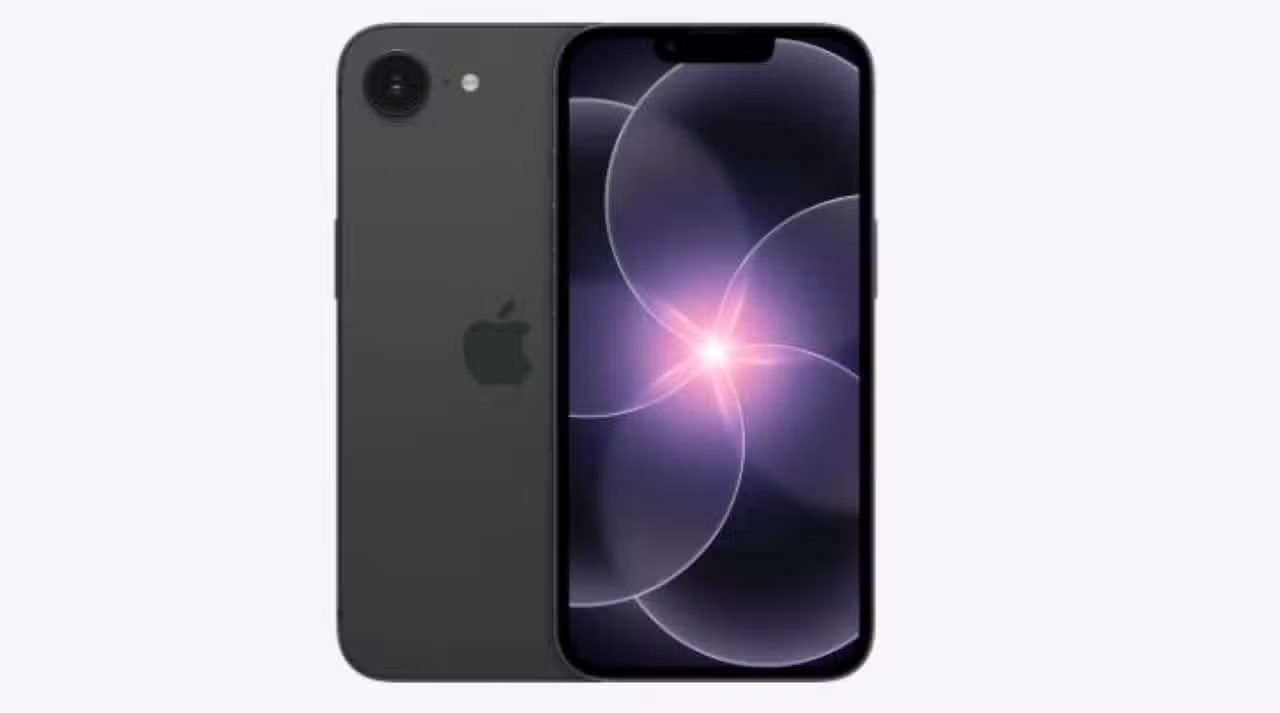
Apple plans to introduce substantial changes to the hardware architecture of the iPhone 18 Pro and iPhone 18 Pro Max lineup. The launch is scheduled for September 2026. The manufacturer focuses engineering efforts on the development of advanced internal components. Data processing and image capture are given top priority in the new project. The external design of the devices maintains the visual identity established in previous generations, while the internal structure receives significant updates.
The central focus of the update lies in the implementation of the A20 Pro processor. The component is manufactured using 2 nanometer lithography. The technological transition allows for a higher concentration of transistors on the chip, changing the dynamics of energy consumption and the speed of executing daily tasks. The company seeks to reduce dependence on cloud servers. The processing of artificial intelligence tools takes place directly on the mobile device.

2-nanometer Arquitetura boosts A20 Pro processor performance
The production of the new component is the responsibility of Taiwan Semiconductor Manufacturing Company (TSMC). The company acts as the brand’s historical partner in the manufacturing of semiconductors. The 2 nanometer process represents a milestone in the mobile technology industry. The performance gain reaches an estimated 15% when compared to previous generation chips. Energy efficiency also shows a significant jump. The system records 30% lower consumption when running heavy applications and games with complex graphics.
Local processing capacity gains relevance with the integration of generative artificial intelligence models into the operating system. The A20 Pro’s dedicated hardware runs complex machine learning algorithms without the need for a constant internet connection. The improved architecture ensures faster responses in virtual assistants and automated video editing. Text generation and image analysis work natively, maintaining the privacy of user data within the device itself.
Main Câmera incorporates physical variable opening mechanism
The iPhone 18 Pro photography set features technology widely used in professional DSLR cameras. The 48 megapixel main sensor now has a variable aperture system. The feature allows physical control of the amount of light that reaches the lens. The mechanism adjusts the internal blades of the photographic module automatically or manually. Depth of field changes optically rather than relying solely on software processing.
The physical change to the lens results in a background blur effect with smoother, more precise transitions between the focused object and the scene. Performance in nighttime environments or with excessive lighting also improves. The system calibrates the light input according to the exact needs of the captured scene. The telephoto lens accompanies structural updates. The component delivers an optical zoom with a higher level of sharpness and improved stabilization for recording in motion.
Principais technical specifications planned for the new generation
The Apple development cycle for 2026 encompasses changes to several critical components of the smartphone. The production lines prepare the integration of new technologies that directly affect the connectivity, biometrics and aesthetics of the product. The suite of innovations sets a new assembly standard for the premium device category.
- Integração of A20 processor Pro manufactured using 2 nanometer lithography;
- Substituição from third-party components by C2 proprietary 5G modem;
- Módulo main camera equipped with physical light aperture control;
- Ocultação partial of the Face ID sensors under the OLED glass panel;
- Disponibilização of new color options with brushed titanium finish.
The introduction of the C2 modem marks the end of Apple’s dependence on connectivity chips provided by Qualcomm. The internally developed component optimizes battery consumption when browsing 5G networks. Signal stability in areas of high population density receives engineering reinforcements. Proprietary hardware also expands satellite communications capabilities. The change paves the way for the transmission of more complex data beyond current emergency messages.
Evolução of the OLED screen and reduction of the front cutout
The visual interface of the screen undergoes changes with the reduction in the area occupied by Dynamic Island. The manufacturer’s engineering team managed to reposition part of the infrared emitters and receivers responsible for biometric facial recognition. The Face ID sensors now operate under the pixel layer of the OLED panel. The change frees up useful space at the top of the display for displaying notification icons and operating system information.
The visible cutout on the front glass only houses the selfie camera lens. The modification makes interacting with applications and consuming media more immersive. Technological transition represents an intermediate stage in the company’s planning. The long-term project aims to develop a completely continuous front panel, without any type of perforation or notch. A tecnologia de sensores sob a tela exige calibração rigorosa para evitar distorções na captação de luz e manter a segurança do desbloqueio facial.
Cronograma fragmented sales and chassis redesign
Apple’s commercial strategy for the iPhone 18 line presents a change in the traditional launch calendar. The September 2026 global event focuses exclusively on the iPhone 18 Pro and iPhone 18 Pro Max models. A possible device with a folding screen is also part of the main presentation. Entry-level versions, including the standard model and a reduced-cost variant, are targeted for mass production in the first quarter of 2027.
The chassis of the Pro devices abandons the traditional black color option in favor of more saturated tones. The 2026 catalog introduces the Laranja Cósmico and Vermelho Bordô options. The external structure remains forged from aerospace-grade titanium. The material guarantees the structural resistance of the device against impacts and torsions. The use of metal keeps the overall weight of the equipment reduced compared to old stainless steel frames.
The thickness of the smartphone registers a slight increase, reaching the mark of 8.8 millimeters in the Pro Max model. The change in physical dimensions accommodates a higher density battery. The rated capacity of the power component exceeds the 5,000 mAh mark. The increase in battery reserve compensates for the consumption generated by the peak brightness of the new Super Retina XDR screen. Processing requests from the A20 Pro chip when executing complex tasks also require greater power supply.
Internal storage options start at 256 GB for the base configurations of the Pro line. The space limit reaches 1 TB in the most expensive versions aimed at content creators. The front panel receives a new generation of Ceramic Shield glass. The modified material withstands falls from greater heights and resists deep scratches. The final assembly of the devices follows strict sealing protocols, ensuring certification of resistance against water and dust for daily use in different environments.