
New Jeep Renegade 2027 debuts mild hybrid system and updated cabin in the Brazilian market

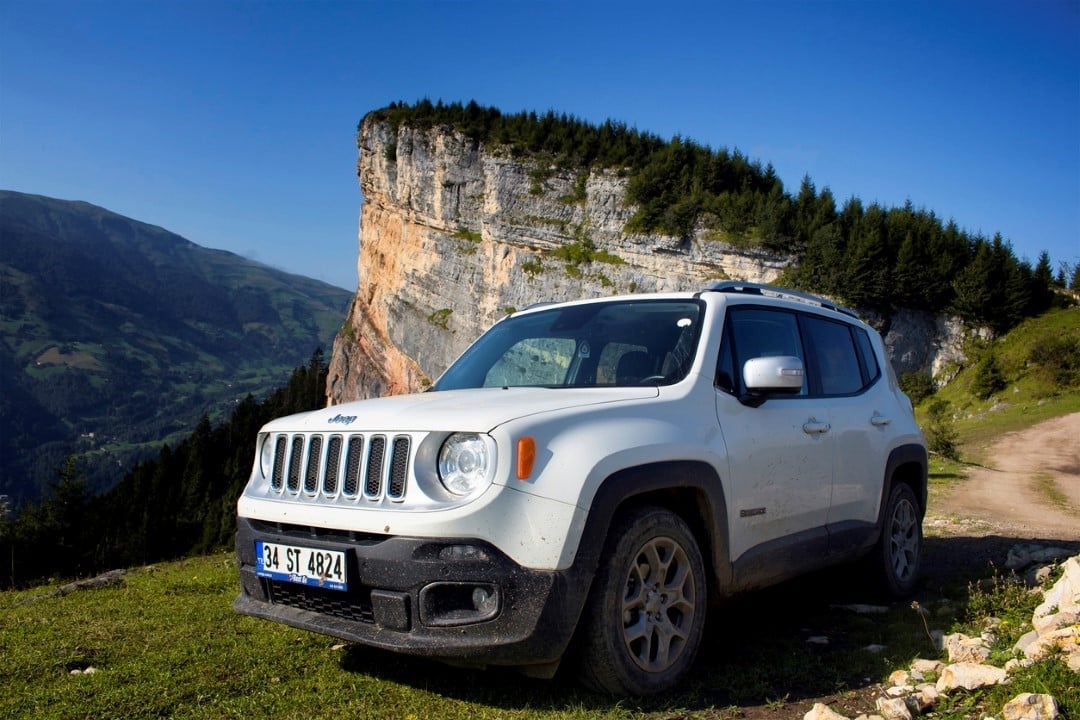
The North American automaker officially presented the Jeep Renegade 2027 for the national market. The compact sports utility vehicle arrives at dealerships with significant updates to the cabin and the introduction of an electrified mechanical package. The line is now sold in four different configurations, called Altitude, Longitude, Sahara and Willys. The old T270 and Sport options leave the brand’s catalog permanently after years of being offered.
The launch marks a strategic move by the manufacturer to keep the vehicle competitive against rivals in the segment. The main technical innovation lies in the adoption of 48-volt MHEV technology, available in two of the four variants offered. The model preserves the characteristic visual identity. The traditional seven-slot front grille and circular headlights remain intact. Novas trapezoidal shaped moldings were integrated into the external design, while the rear lights maintain the well-known X shape.

Revamped internal Design and new connectivity equipment
The cabin architecture underwent profound modifications to provide a more updated environment for the occupants. The instrument panel now features straight lines and a uniformly textured finish across the entire front surface. The center console has been redesigned to house a more compact gear lever. Essa change freed up useful space between the front seats, improving ergonomics for the driver.
The total volume of the storage compartments grew by 10% compared to the previous model. The multimedia center adopts a 10.1-inch screen with floating mounting in the center of the panel. The equipment offers wireless mirroring for the Android Auto and Apple CarPlay systems. Rear seat passengers now have exclusive air conditioning outlets, a long-standing demand from the brand’s consumers.
The automaker’s engineering team applied new sustainability concepts when choosing internal linings. The recyclability rate of the materials used to assemble the cabin reaches 82%. Higher versions of the catalog add convenience features such as electrical adjustments for the driver’s seat. Native integration with the Alexa virtual assistant also makes up the technology package of more expensive models, facilitating voice commands while driving.
Funcionamento of the mild hybrid system in intermediate configurations
The 1.3 turbo flex engine received the help of a mild hybrid system in the Longitude and Sahara options. The traditional mechanical set loses the conventional alternator and starter motor. An 11.4 kW electric machine takes over these functions. The component works together with a compact 0.85 kWh battery. The technology acts in a strictly complementary way to the combustion engine.
The electric motor provides extra power during starts and in low-speed situations. The mechanical stress on the thermal block decreases considerably in these urban scenarios. The system turns off the main engine when stopped at traffic lights. The air conditioning and other electronic components remain fully operational. Primary propulsion remains the exclusive responsibility of liquid fuel.
Official homologation data indicate an 8% reduction in carbon dioxide emissions. Fuel consumption in the city shows an improvement of up to 7% in direct comparison with purely combustion versions. The vehicle fueled with ethanol records averages of 8.3 km/l on urban routes and 8.6 km/l on the highway. The use of gasoline increases the figures to 11.9 km/l in the city and 11.8 km/l on highway routes.
Preços and Altitude and Longitude option packages
The gateway to the new line is the Altitude version, initially sold for R$129,990 in a promotional batch of three thousand units. The official list price will rise to R$141,990 after the end of this initial quota. The model uses a 1.3 turbo flex engine coupled to a six-speed automatic transmission, with front-wheel drive only. Esta access configuration does not have a 48 volt electrified system.
The safety and technology package of the Altitude option includes several driver assistants as standard. Standard items include the following equipment:
- Frenagem autonomous emergency for frontal collision prevention.
- Sistema lane change monitoring and alert.
- Detector of driver fatigue with warning on the dashboard.
- Conjunto with six protective airbags throughout the cabin.
- Fully digital instrument Quadro with 7-inch screen.
- Câmera rear view integrated into the central multimedia display.
- Freio parking system with electronic button activation.
- Sistema Jeep Traction Control+ for low-adhesion floors.
The Longitude variant requires an investment of R$158,690 and introduces MHEV technology to the portfolio. The exterior appearance features 18-inch diameter alloy wheels. The interior features leather upholstery on the seats and multifunctional steering wheel. The list of equipment includes a blind spot sensor, rear parking sensors and an induction smartphone charger with an integrated ventilation system to prevent the device from overheating.
Diferenciais of consumer variants Sahara and Willys
The catalog advances with the Sahara configuration, priced at R$ 175,990 by Brazilian dealerships. The model combines the mild hybrid engine with a superior connectivity and comfort package. The Adventure Intelligence with Alexa system is factory installed. The panoramic sunroof and two-tone body paint reinforce the aesthetic appeal of the version. The mechanics maintain 4×2 traction and a six-speed automatic transmission.
The top-of-the-line option goes by the name Willys and costs R$189,490 on the national market. The focus of this configuration is on performance on dirt roads and heavy trails. The mild hybrid system is not available on this model. The utility uses the 1.3 turbo flex engine in its traditional form. The automatic transmission now has nine gears, working together with the 4×4 traction system and the terrain selector.
The Jeep Renegade Willys bears the Trail Rated seal, which attests to the vehicle’s off-road capability in extreme conditions. ATR type mixed-use tires guarantee grip on uneven surfaces. Safety during maneuvers is aided by electronic anti-rollover control. The convenience package offers remote engine start, electrochromic interior mirror and turn signal lights on the exterior mirrors.
Trajetória of the sports utility vehicle and positioning in the national market
The compact sports utility vehicle completed 11 years of continuous presence on Brazilian streets. Production remains national. The model’s commercial history demonstrates solid acceptance by local drivers, consolidating the brand in the country. The registration data for the previous line registered a 15% growth throughout the year 2025, highlighting the strength of the product even in the face of more recent competitors.
The strategy of offering four versions with different proposals aims to reach different buyer profiles. Consumers can opt for configurations aimed at urban cost-benefit or invest in variants with a strong technological and adventurous appeal. The introduction of the mild hybrid system signals the beginning of the brand’s electrification process in this price range. The move comes at a time of high competition among compact SUVs in the Brasil during 2026.
Mechanical and visual updates project an extended life cycle for the current generation of the vehicle. Maintaining the classic identity, combined with innovations in the cabin, attempts to balance tradition and modernity in automotive design. Dealers are already receiving the first batches of the 2027 line for demonstration and test drives with customers. The automaker’s expectation is to consolidate sales volume and maintain technical leadership in the segment over the next few months.





