

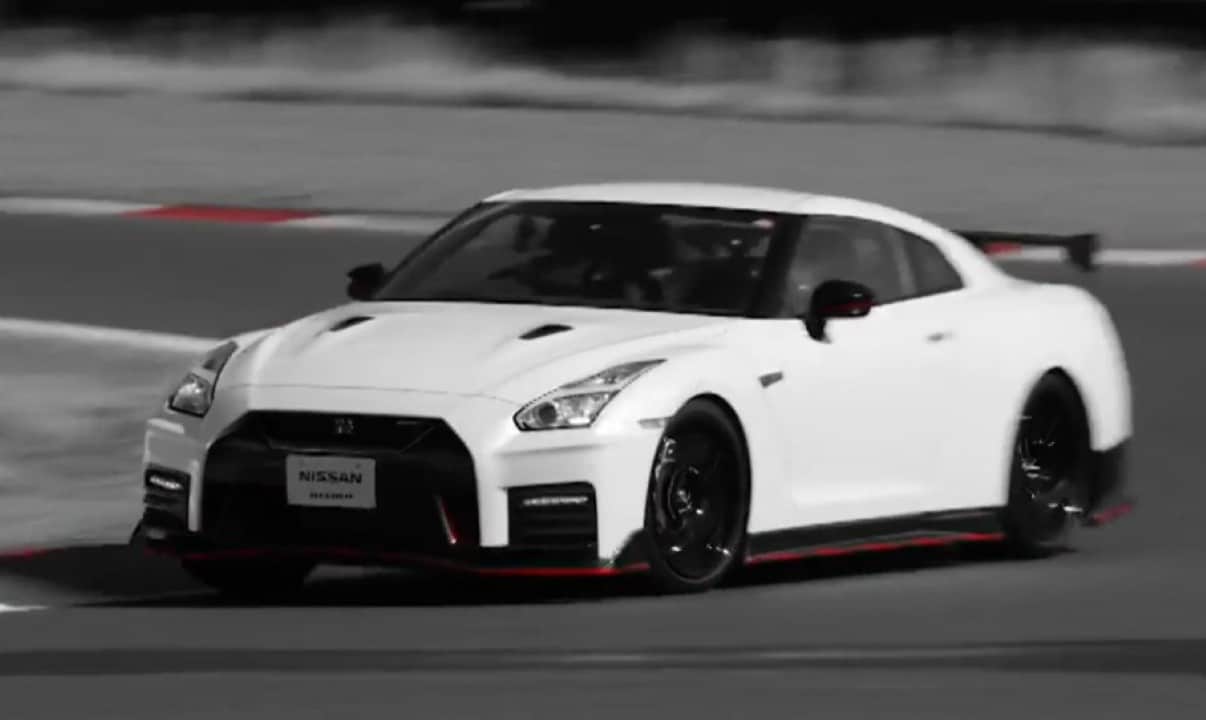
Nismo serves as the official high-performance division of Japanese automaker Nissan. The department focuses on advanced engineering operations and sports vehicle development. The acronym derives from the combination of the words Nissan and Motorsport. The group brings together elite professionals from competitive motorsport. The team works on adapting track technologies to series production models.
The creation process involves test pilots and vehicle dynamics experts. The central objective is to deliver cars with sports calibration for daily use. The brand applies aerodynamic concepts and specific mechanical adjustments to each project. The end result seeks to balance urban comfort with the precision required on closed circuits. The division maintains ongoing global research and development operations.
Transição from racing technology for the streets
The history of the sports division reflects the need to approve cars for international championships. Engineers use experience gained from long-distance races. The data collected in endurance tests serves as the basis for new components. The automaker transfers these innovations directly to commercial vehicles. The end consumer gains access to resized refrigeration and brake systems.
The brand’s portfolio ranges from compact cars to high-performance super sports cars. The work philosophy prioritizes the democratization of automotive performance. The company develops aerodynamic packages that reduce drag and increase downforce. The visual appendages have a proven technical function in the wind tunnel. The aggressive aesthetics accompany real improvements in directional stability at high speeds.
Projects begin with the selection of a conventional assembly line model. The base vehicle goes through years of structural assessments before receiving the sporting approval. The technical team disassembles the car and analyzes the areas that can be improved. The chassis receives structural reinforcements with additional welds and torsion bars. The increased torsional rigidity allows for superior dynamic behavior in tight corners.
Dynamic Development and Testing Processo
Prototype validation takes place on test tracks around the world. The Nürburgring circuit, at Alemanha, serves as the main development laboratory. Variations in asphalt and elevation demand the most from mechanical components. Drivers subject cars to extreme temperature conditions and continuous stress. The durability of the parts receives special attention during the tests.
The professionals involved in adjusting the cars have extensive experience in official competitions. The team is not just looking to reduce lap times on the clock. The focus is on the predictability of the vehicle’s reactions at the limit of adhesion. The average driver needs to feel safe when exploiting the available power. Torque delivery occurs linearly and progressively.
Suspension calibration represents a technical challenge. The shock absorbers receive exclusive valves for roll control. The springs have a stiffer load compared to the original models. The set filters floor imperfections without compromising tactile communication. The steering geometry changes. Isso guarantees immediate responses to the driver’s commands.
Componentes mechanics and technical specifications
The vehicles prepared by the division have unique operating characteristics. The modifications cover several areas of the powertrain and unibody structure. The list of updates includes:
- Sistemas resized exhaust with optimized flow and exclusive sound signature.
- Mapeamento engine electronic geared towards quick accelerator pedal responses.
- High performance Freios with friction compounds resistant to excessive heating.
- Rodas forged light alloys that reduce the unsprung mass of the vehicle.
- Bancos sports shoes with pronounced side flaps to support the body in curves.
The onboard electronics work in conjunction with the physical improvements to the chassis. The traction and stability controls receive permissive parameters for sporty driving. The system only intervenes when it detects imminent loss of directional control. The limited slip differential distributes driving force between the drive wheels. Lateral acceleration capability increases significantly with these implementations.
The human factor in the final calibration of projects
Telemetry data analysis guides the initial phases of the project. Computers process thousands of variables per second during virtual testing. However, the sports division argues that numbers do not define the character of the car. Human sensitivity comes into play in the final fine-tuning step. Experts translate mathematical graphics into tactile and auditory sensations.
The Hiroyoshi Kato test master exemplifies this artisanal approach to engineering. The professional has decades of experience in adjusting high-performance chassis. The technical team relies on the driver’s perception to define the ideal steering load. The weight of the steering wheel changes depending on the speed and steering angle. The connection between man and machine dictates the pace of final modifications.
The ergonomics of the cabin reflect direct inspiration from racing cars. The positioning of the pedals makes it easier to perform advanced driving maneuvers. The steering wheel covering uses materials that prevent your hands from slipping. The instrument panel highlights vital engine operating information. The internal environment encourages total concentration on the road ahead.
Strategic Posicionamento and current market
The offer of sporty versions strengthens the automaker’s image in the global market. Consumers associate the brand with reliability and high technical performance. The division maintains a catalog of replacement parts for enthusiasts who want to modify their own cars. After-sales support guarantees the maintenance of original factory characteristics. The dealership network receives specific training to serve these customers.
Continuous development ensures the brand’s survival in a competitive automotive landscape. Emissions standards require creative solutions to keep power levels high. Engineering works on the thermal efficiency of combustion engines. The total weight of vehicles decreases with the use of composite materials and aluminum. The search for the ideal relationship between weight and power guides future launches.
Integration between the design and engineering departments occurs from the first draft. Front air intakes direct flow to the oil and water radiators. The rear extractors organize the air passage under the car floor. Form follows function in every aesthetic detail applied to the bodywork. The division emblem certifies approval of all quality criteria established by the chief engineers.




