
Toyota automaker launches Night Shade edition of the Prius hybrid with darkened appearance and PHEV engine

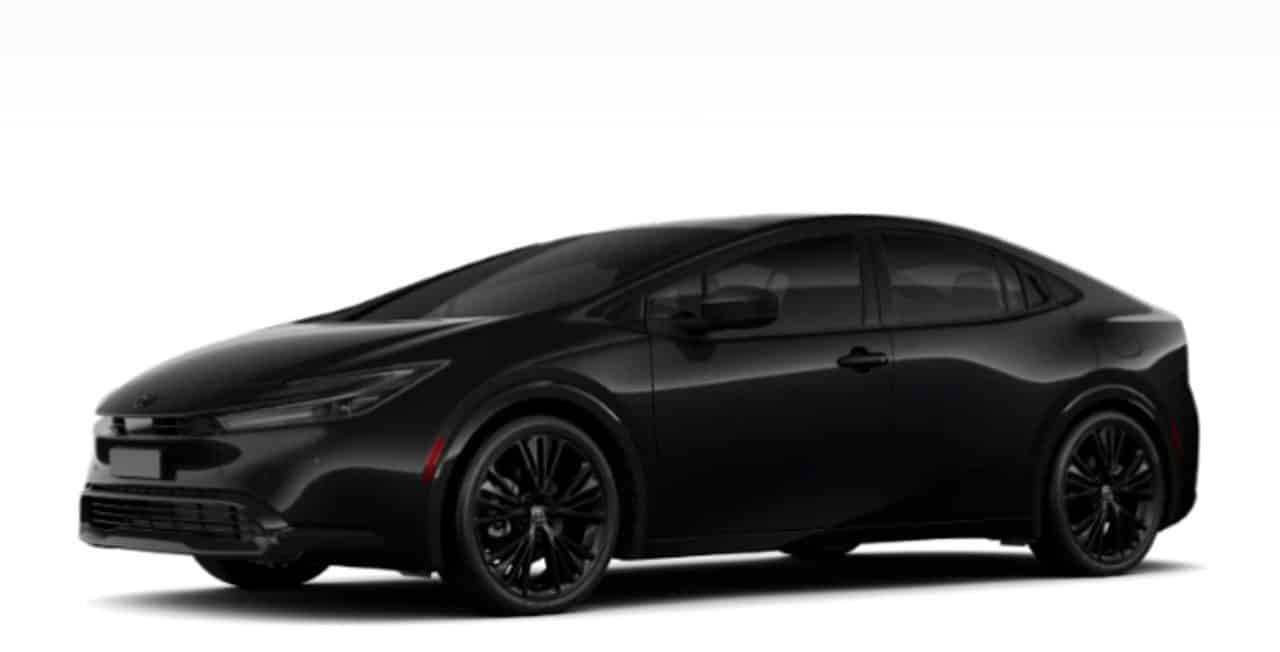
Japanese automaker Toyota has officially announced the arrival of the G version Night Shade for the Prius line on the automotive market. The unprecedented configuration is based on the plug-in hybrid variant of the vehicle. The model receives darkened visual elements that give the body a more sporty aesthetic. The update is part of the brand’s portfolio of launches for the 2025 cycle. The manufacturer’s focus remains on delivering energy efficiency combined with a redesigned design.
The fifth generation of the car, originally presented in 2023, consolidates the evolution of the project started in 1997. The second generation TNGA modular platform serves as the structural basis for the car. Essa architecture ensures a lower center of gravity. The aerodynamic shape reduces drag during highway driving. The company’s engineering sought to balance environmental performance with a dynamic silhouette to attract new consumers.

Detalhes aesthetics and external modifications of the new model
The Night Shade special edition uses the finish of the G PHEV version as a starting point for the visual changes. The manufacturer applies glossy black paint to strategic components of the exterior. The process creates a robust, uniform appearance. The main body design lines remain unchanged. The automaker focuses the changes on finishing details to differentiate the series in the portfolio.
Engineers modified the lower grille of the front bumper and the lower section of the rear bumper. The door handles and the central pillar also receive the new shade. The wheel arch moldings follow the same darkened pattern. Visual standardization eliminates traditional chrome contrasts. The Toyota front emblem and the Prius logo on the trunk lid are painted in full black.
The rolling assembly reinforces the aesthetic proposal of the new configuration. The 19-inch alloy wheels feature a dark finish. The ornament center of the pieces follows the predominant color. The PHEV badge loses its original metallic shine. The buyer can choose between four main body colors. The mustard color generates high contrast, while the pearly white, ash gray and attitude black deliver a discreet profile.
Desempenho of the mechanical assembly and electrical autonomy
The vehicle’s propulsion system integrates a 2.0-liter combustion engine with high-capacity electrical units. The plug-in hybrid configuration allows external battery charging. Fuel consumption reaches 26.0 km/l in the WLTC test cycle for the two-wheel drive version. The strictly electric driving mode allows trips of up to 87 kilometers on a full charge. The autonomy meets the daily demand for urban travel.
Recharging the electrical system requires planning on the part of the owner. The process in a conventional household outlet takes approximately 4.5 hours to reach maximum capacity. The wait time makes overnight charging the most viable option. The mechanical package delivers immediate power during acceleration. Speed regains occur linearly and silently.
The engineering project includes additional features for the battery system. The car has an external power supply system. The technology allows powering electrical equipment. The resource acts as an emergency source in case of power outages. Versatility expands the use of the car beyond conventional transportation.
Pacote safety and driver assistance technologies
The line update incorporated new standard equipment to increase occupant protection. The ETC 2.0 system is now part of the list of factory items in most versions sold. The technology facilitates the payment of tolls and optimizes the flow on highways. The Toyota Safety Sense package remains standard equipment on the model. The set includes autonomous emergency braking systems and lane avoidance warning.
The vehicle’s sensors continuously monitor the external environment. A monocular camera works in conjunction with a millimeter wave radar installed in the front grille. The combination of hardware ensures accurate detection of pedestrians and cyclists. Adaptive cruise control adjusts speed depending on traffic ahead. Electronic resources work in an integrated manner to mitigate the risk of collisions.
The Night Shade version inherits the complete technological package without restrictions. The automaker maintains the standard of driver assistance established for top-of-the-line configurations. The front-wheel drive system works in conjunction with the stability controls. The suspension calibration absorbs the irregularities of urban asphalt. Dynamic behavior conveys safety in evasive maneuvers.
Arquitetura internal and usability in urban everyday life
The car’s cabin adopts black as the predominant color for the covering of the parts. The instrument panel receives darkened inserts that dialogue with the external proposal. The seats are covered in high-resistance fabric and feature stripes exclusive to the version. The driver’s seat has six-way manual adjustment. The choice of materials prioritizes ease of cleaning.
The multimedia center concentrates the vehicle’s entertainment and configuration functions. The high-resolution screen supports mirroring modern smartphones. Physical and touch-sensitive controls provide quick responses. The digital instrument cluster displays crucial data for efficient driving. The driver monitors the battery charge level in real time.
The structural design guarantees adequate space for the transport of five adult passengers. The modular platform establishes strict dimensional parameters for the body:
- The total length of the car reaches 4600 millimeters.
- The width of the body measures 1780 millimeters without counting the rear-view mirrors.
- The overall height of the vehicle varies between 1420 and 1430 millimeters depending on the configuration.
- The distance between the axles measures 2850 millimeters to guarantee internal space.
Geometric proportions directly influence the car’s dynamic behavior. The lengthened wheelbase reduces bumps passed on to rear seat occupants. The tread width increases the contact area of the tires with the ground. Access to the luggage compartment is via a wide-opening rear lid.
Posicionamento market and special version costs
The automaker has set a suggested price of 3,947,300 yen for the Prius G Night Shade PHEV 2WD in the Asian market. The final value already includes local taxes levied on the sale of new vehicles. The figure represents an increase of exactly 100 thousand yen compared to the standard G PHEV version. The difference in cost pays for the application of exclusive aesthetic components and different painting of the wheels.
The price positioning places the special edition as an intermediate alternative in the manufacturer’s catalog. The consumer accesses an exclusive visual package without the need to migrate to the high-end version. The commercial strategy aims to attract buyers who value factory customization. The brand’s dealership network began offering the model after the July 2025 update. Stock varies depending on the sales region.
Maintenance of the plug-in hybrid system follows the standard schedule established by the brand’s engineering team. The authorized network has specific equipment for diagnosing high-voltage battery packs. Operating costs tend to fall when the driver prioritizes the use of electric mode. The factory warranty covers critical components of the propulsion system. The line’s historic mechanical reliability supports resale value.





