Toyota GR Yaris debuts on the national market with an exclusive batch of 198 units and a 304 hp engine
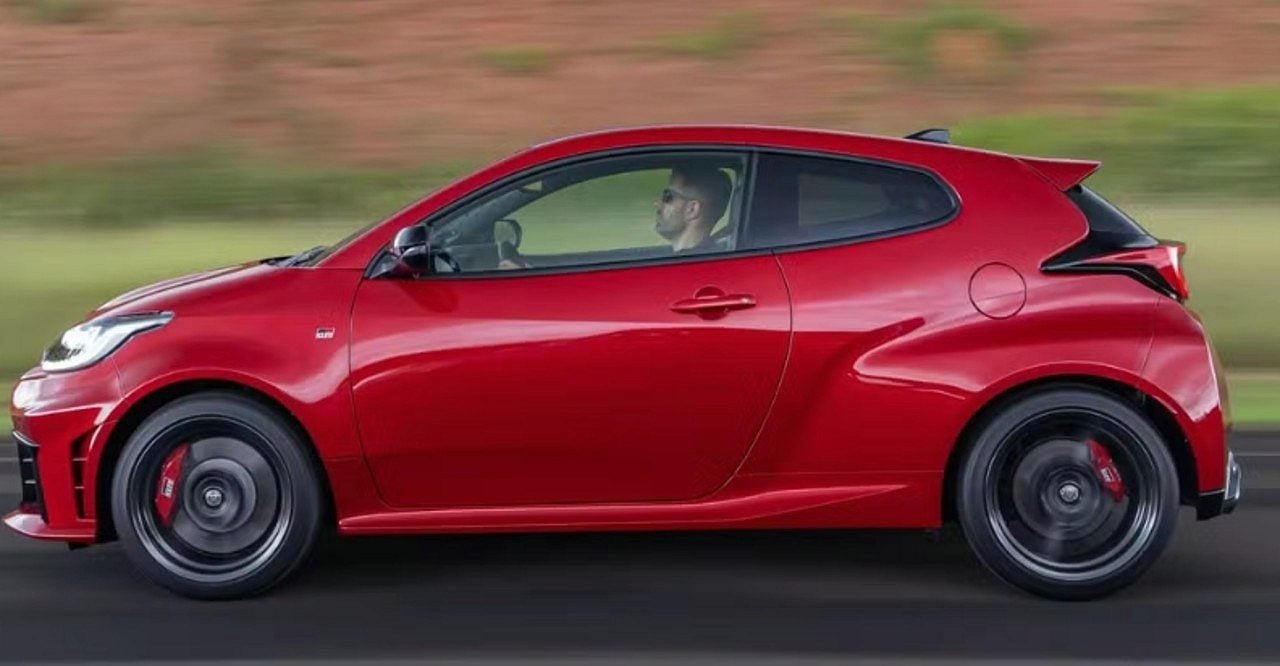
The Japanese manufacturer has officially started selling the Toyota GR Yaris in the Brazilian automotive market. The sports model, developed under the auspices of the Gazoo Racing division, arrives imported from the Japão with a suggested price of R$354,990. The vehicle presents a proposal that is radically different from the urban versions sold in the country in recent years. The hatch’s engineering derives directly from the homologation projects for the Campeonato Mundial and Rali.
The commercial strategy for the national territory prioritizes a restricted sales volume. The automaker made a batch of exactly 198 units available to local consumers. The amount was divided into 99 vehicles equipped with manual transmission and 99 with automatic transmission. Metade of this volume registered a reserve before the start of deliveries, scheduled for the month of April.

Arquitetura three-cylinder engine mechanics and power
The powertrain houses a 1.6 three-cylinder turbo engine equipped with direct fuel injection. The system delivers 304 hp of maximum power and a torque of 40.8 kgfm. The engine holds the mark as the most powerful three-cylinder unit in mass production in the global automotive industry. The numbers surpass larger volumetric displacement blocks offered by competing manufacturers.
The design applied lightweight materials to optimize the weight-to-power ratio. The engineers used aluminum in the construction of the hood and side doors. The vehicle’s roof received carbon fiber molding. The version with manual transmission registers a total weight of 1,305 kg on the scales. The index establishes a ratio of 4.29 kg/hp, surpassing larger models such as the GR Corolla and the Honda Civic Type R.
Straight-line performance reflects the sporty calibration of the mechanical package. The hatch reaches 100 km/h in 5.1 seconds when equipped with the six-speed manual transmission. The configuration with automatic transmission achieves the same acceleration in 5.4 seconds. The permanent all-wheel drive system, called GR-Four, manages the transfer of power to the wheels.
Distribuição traction and transmission technologies
The GR-Four system allows the driver to change the vehicle’s dynamic behavior through selectors in the cabin. The technology adjusts torque delivery between the front and rear axles according to the needs of the route. The mechanism works together with the differentials to ensure grip on different road surfaces.
- Modo Normal: Direciona 60% of driving force to the front axle and 40% to the rear, ideal for everyday traffic.
- Modo Gravel: Altera the ratio to 53% at the front and 47% at the rear, optimizing driving on low-grip surfaces.
- Modo Track: Varia distributes between 60:40 and 30:70 automatically to maximize performance on race tracks.
The six-speed manual transmission integrates the Intelligent Manual Transmission system. The technology performs automatic leveling of engine speeds during gear reductions, simulating the punta taco technique. The eight-speed automatic variant, called GR-DAT, performs quick shifts to keep the engine in the ideal torque range. The driver can operate the automatic system through paddles positioned behind the steering wheel.
Reforços structural and aerodynamic-focused design
The sports car’s platform combines elements from different brand architectures to maximize torsional rigidity. The body structure received 15% more welding points compared to conventional models. The automaker applied a greater amount of structural adhesives to the chassis joints. The suspension underwent specific recalibration to work in conjunction with the direct-ratio electric steering.
The external design prioritizes aerodynamic efficiency and cooling of mechanical components. The two-door body features a lowered roofline to direct airflow toward the rear spoiler. The bumpers house enlarged air intakes to cool the radiator and ventilated brake discs during circuit use. The vehicle measures 4 meters in length and has a wheelbase of 2.56 meters.
The set rides on 18-inch forged rims, reducing the car’s unsprung mass. The rear features an exhaust system with dual exit and headlights linked by an LED light bar. The color catalog for the Brazilian market includes the options Emotional Red, Precious Metal, Platinum White Pearl and Precious Black.
Ergonomia internal and driver assistance package
The cabin features structural modifications to improve the driving position. The center console has a 15-degree tilt facing the driver’s seat. The sports seats, covered in suede and leather with red stitching, were fixed 2.5 cm closer to the floor. The instrument panel has been reduced by 5 cm in height to expand the field of vision. The digital instrument cluster measures 12.3 inches and displays telemetry data.
The focus on performance resulted in compromises in interior space and cargo capacity. The rear seat offers restricted accommodation, suitable only for short journeys. The trunk holds 174 liters of luggage. The compartment was reduced to house the components of the all-wheel drive system and the independent rear suspension arrangement.
The list of standard equipment includes active safety and connectivity systems. The central panel houses an 8-inch multimedia screen with wireless mirroring support for mobile devices. The protection package includes six airbags, electronic traction and stability controls, as well as front and rear parking sensors with a reversing camera. The vehicle features adaptive cruise control, blind spot monitoring, lane change alert and pre-collision assist.
Medições fuel consumption in standardized cycle
Energy efficiency tests revealed the sports car’s gasoline consumption rates. The configuration equipped with manual transmission records an average of 8.6 km/l on urban routes. Performance increases to 10.1 km/l during highway use. The direct injection system and turbocharger help with fuel management when the engine operates at low speeds.
The version with automatic transmission shows slightly lower numbers in laboratory measurements. The model reaches 7.8 km/l in city traffic. On road trips, consumption reaches 9.7 km/l. Official data confirms the car’s viability for everyday travel, balancing the delivery of more than 300 horsepower with a range suitable for the high-performance vehicle category.
