Volvo manufacturer maps unnecessary spending by drivers when recharging electric cars
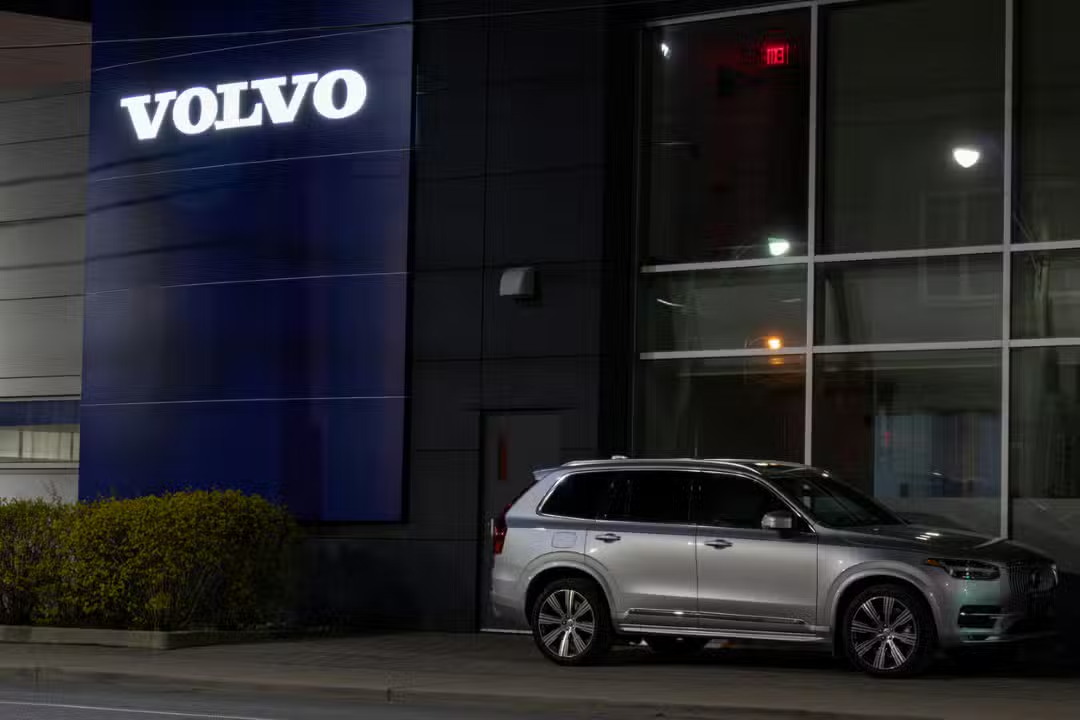
The automotive industry is registering an unforeseen change in the consumption pattern of electric vehicle owners. Manufacturer Volvo has identified a recent phenomenon internally classified as “hot dog anxiety.” The behavior describes the situation in which drivers pay for a volume of energy greater than their cars’ real needs. The practice occurs mainly during quick food stops on highways. The time spent by passengers in convenience stores exceeds the minutes required by new high-performance batteries.
Volvo Cars’s director of engineering and technology, Anders Bell, detailed the observation during a presentation event for the EX60 model at Estados Unidos. The peculiar nomenclature illustrates the exact moment of financial waste. The driver connects the high voltage cable, walks to the commercial establishment and orders a quick snack. The car system reaches the ideal charge level even before the meal is finished. The consumer returns to the vehicle and discovers an excess charge on the mobility app invoice.
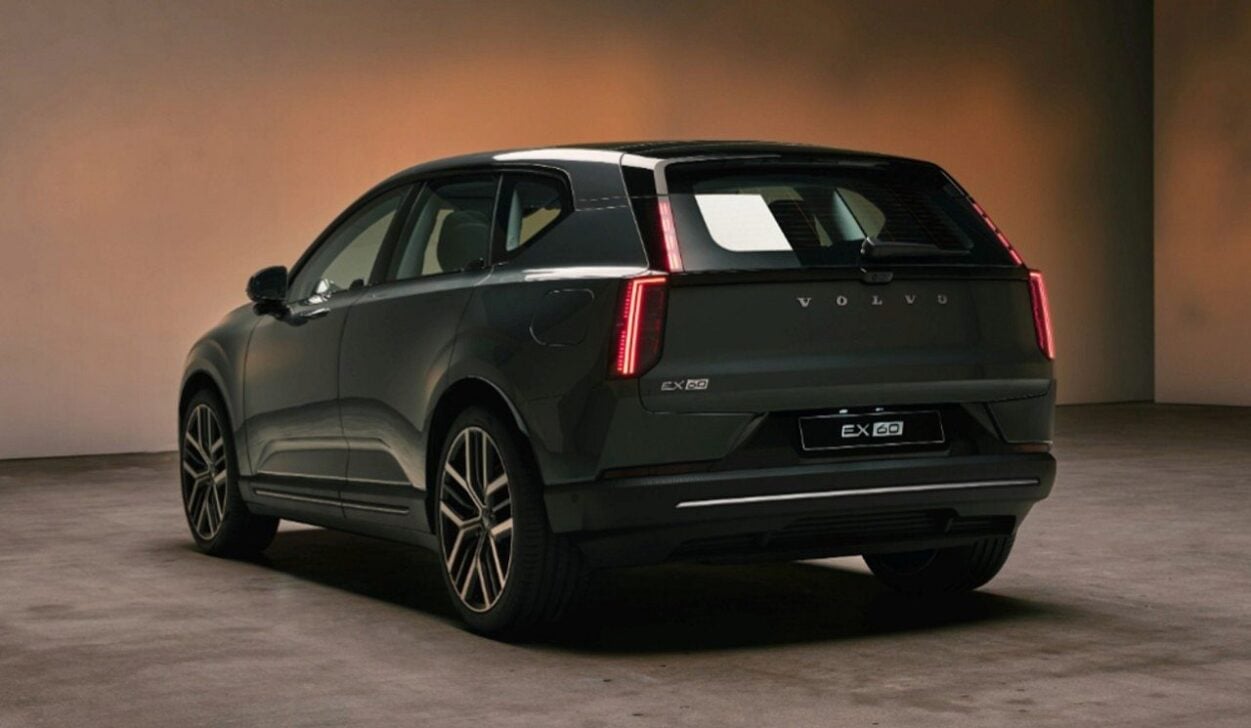
Tempos reduced supply changes dynamics on the roads
Recent innovations in battery architecture radically transform the long-distance travel experience. State-of-the-art equipment operates with extreme powers. The new Volvo EX60 recovers 80% of its full capacity in exactly 16 minutes when connected to a 350 kilowatt station. The luxury market presents even more aggressive numbers. The recently launched Mercedes-AMG GT supports peaks of 600 kW. The German sports car increases the energy level from 10% to 80% in just 11 minutes.
The German manufacturer BMW is also part of the group of manufacturers with highly efficient systems. The BMW iX3 sports utility vehicle adds 298 kilometers of range to the dashboard in a span of 10 minutes. The vehicle uses a maximum transfer rate of 400 kW. Technological advances eliminate the old requirement for long waits at charging stations. Engineers design today’s cars to receive large volumes of electrons in increasingly narrow windows of time.
Financial Planejamento and the real cost of stops
The lack of synchronization between the human biological clock and the speed of chargers has a direct financial impact. Anders Bell used practical examples to illustrate the owners’ silent loss. A distraction of just a few minutes longer than necessary results in significant additional charges. The executive pointed out that a brief extra period of connection to a fast charging device easily accumulates US$25 in operating costs. The snack consumed at the convenience store becomes disproportionately expensive due to the excess electricity tariff.
Calculating the ideal route requires a change of mentality on the part of drivers. The Volvo technical team guides users to rethink the fueling logic inherited from combustion cars. Experts point out specific factors that constitute a waste of resources in public stations:
- Busca unnecessary due to maximum capacity of 100% on short journeys.
- Ausência monitoring the automaker’s application during meals.
- Desconhecimento on the loading curve, which loses efficiency after 80%.
- Falta planning to use the residential electrical network at night.
A driver located 100 miles from home does not need to completely fill the power cell pack. A quick injection up to the 40% level provides the necessary security to complete the journey. The user ends the trip and plugs the car into the domestic socket. The cost of a residential kilowatt-hour is considerably lower than that of highways. The strategy optimizes travel time and protects the family budget against high-demand fares.



800-Volt Arquitetura Sets New Industry Standard
The electric mobility sector is going through a profound transition in its internal components. The adoption of 800 volt technology is gaining ground on global assembly lines. The system doubles the voltage capacity compared to the old 400 volt sets. The structural change prevents the cables from overheating. The practical result appears in the drastic reduction in the immobilization time of vehicles at high-power charging stations spread across the highways.
Automakers set new energy efficiency benchmarks to convince the conservative public. The average autonomy of recent launches broke historical barriers. The 480 kilometers mark on a single charge is established as the minimum requirement for survival in the current market. The research and development departments of big brands aim at more distant targets. Diversos projects in the testing phase seek to overcome the barrier of 640 kilometers of operational range.
Desigualdade technology between different vehicle categories
The reality of ultra-fast charging still faces access limitations in the mass market. Specific Modelos deliver high performance at competitive prices. The Hyundai Ioniq 5, sold in the US$35,000 range, cycles from 10% to 80% in approximately 20 minutes. The Kia EV6 shares the same mechanical platform and repeats performance in high power stations. The South Korean duo represents an exception in the entry segment.
The majority of the circulating fleet operates with more severe technical limitations. Grande part of models from Tesla and other popular brands requires between 30 and 40 minutes to reach the 80% charge level. Owners of these cars hardly suffer from the excessive charging pointed out by Volvo. The natural waiting time of these systems coincides perfectly with the duration of a full meal at bus stops. The phenomenon of accidental spending is restricted to owners of high-end premium cars.
The consumer’s housing profile also dictates the supply rules. Residentes of vertical condominiums without nightly charging infrastructure depend exclusively on the public network. Esse group-specific prioritizes filling the battery fully at every opportunity. The accelerated expansion of connection points on Estados Unidos attempts to meet this growing demand. The installation of higher power totems facilitates urban logistics and allows drivers to adapt their routines to the new speeds offered by the automotive industry.
Veja Tambem em Latest News (EN)

Nintendo Switch 2 reaches 247,880 units sold in Japan, dominating the market from May 18th to 24th

Meta launches Plus subscriptions for Instagram, WhatsApp and Facebook; understand new features and prices

United States government signs treaty with Iran to stop nuclear plan and release funds

Solar eclipse of 2027 will have a maximum duration of 6 minutes; phenomenon has not been repeated in 157 years

Microsoft details Xbox Game Pass recovery with new partnerships and price reductions after initial impact

Francisco Cerundolo and Juan Manuel Cerundolo overcome opponents and reach an unprecedented stage for the family at Roland Garros

Details of OnePlus 8.8-inch OLED tablet emerge in leak, indicating premium Snapdragon chip

PlayStation 5 owners receive free demos of indie games without using PS Plus

Marine mammal jumps onto vessel during the Monterey Hoe Wa’a competition in California

Developer announces expansion of The Witcher 3 to 2027 and postpones launch of The Witcher 4

Astronomical phenomenon unites Blue Moon and Micromoon in the night sky during the night of May 31