

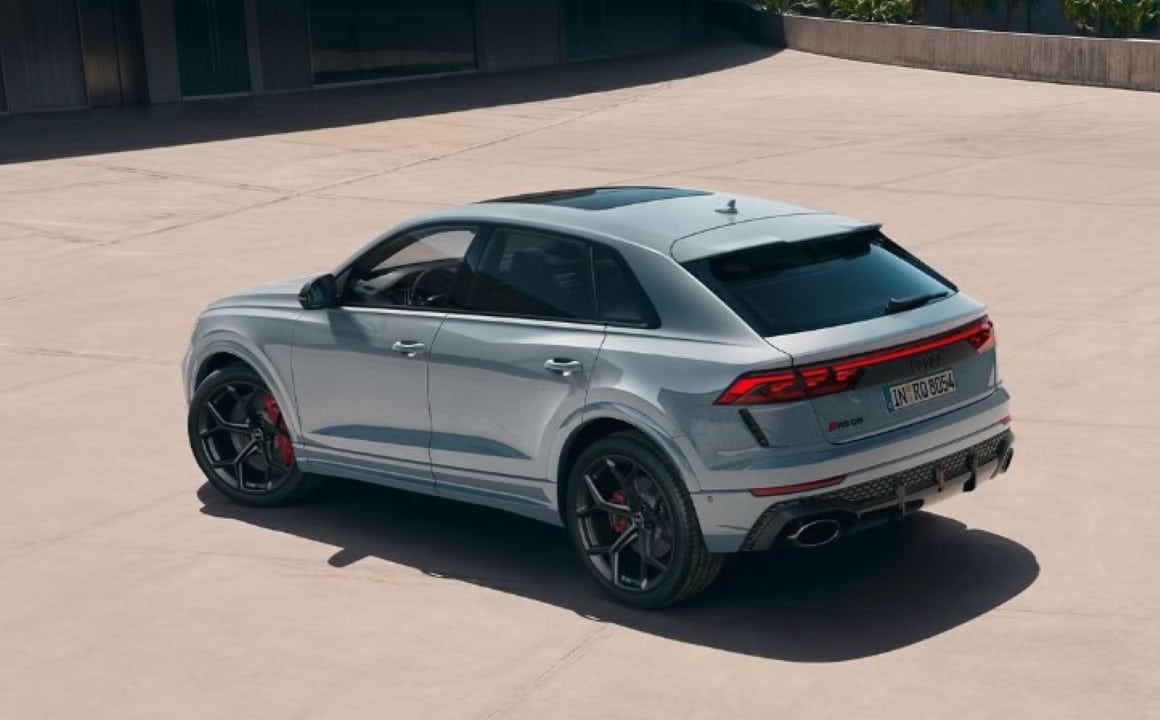
The 2026 Audi RSQ8 Performance sports utility vehicle enters the global market with significant updates to its mechanical architecture and technology package. The German automaker reconfigured the twin-turbo V8 engine to deliver superior power and acceleration in different driving conditions. The model consolidates the manufacturer’s position in the high-performance vehicle segment, competing directly with other luxury European brands. The company’s strategy focuses on offering a family car with the dynamic characteristics of track models.
The modifications applied by the engineering team involve precise adjustments to turbo pressure and direct fuel injection. The vehicle also receives a set of exclusive sports wheels and advanced driver assistance systems. Consumidores from the luxury segment finds in the utility a combination of extreme drivability and cutting-edge onboard technology. The development of the project required thousands of hours of testing in simulators and closed circuits to ensure the reliability of the mechanical components.
Engenharia mechanics and calibration of the twin-turbo V8 engine
The new generation twin-turbo V8 engine reaches a high level of maximum power without compromising the durability of internal parts. Electronic calibration of direct injection improves throttle response across different rpm ranges, eliminating delays in power delivery. The torque available at medium speeds ensures agile restarts on highways and facilitates safe overtaking. Driving on closed tracks gains precision with updates to the engine mapping and cylinder cooling system.
The time needed to accelerate from 0 to 100 km/h was reduced by fractions of a second compared to previous versions of the utility. The sports exhaust system amplifies the characteristic sound signature of eight-cylinder engines, with active valves that change the volume depending on the selected driving mode. Power delivery occurs linearly from the lowest speeds to the engine’s cut-off limit. The driver notices the dynamic evolution in the first few meters of driving on expressways.
Driving Dinâmica with unique wheels and adaptive suspension
The 2026 model features an undercarriage designed to withstand high speeds and intense lateral forces during evasive maneuvers. The exclusive 23-inch wheels have a specific aerodynamic design to optimize air flow and help cool the brakes. Ultra-high performance Pneus come factory installed with rubber compounds designed to maximize ground contact. Grip in tight corners reaches maximum levels with this sporty tread configuration.
The adaptive air suspension works in sync with the chassis electronic systems to monitor road conditions in real time. The equipment filters asphalt irregularities on urban roads and stiffens the whole during sports driving on winding roads. The driver adjusts the dynamic behavior using the driving mode selector located on the center console. The height in relation to the ground changes automatically as the vehicle speed increases.
The mechanical components that make up the running and suspension system include technologies derived from automobile competitions:
- Rodas 23-inch forged with anthracite finish
- Improved performance Pneus Pirelli Scorpion Verde
- Pneumatic Suspensão with independent electronic adjustment
- Sistema ventilated carbon ceramic brakes
- Amortecedores with adjustable air chamber
The integration of these elements results in absolute directional control under various weather conditions. The sports utility vehicle responds to steering wheel commands with the agility of smaller, lighter vehicles. The ceramic brake system withstands extreme temperatures without loss of efficiency or fatigue of the friction material. Electric steering calibration provides accurate weighting to maintain directional stability at cruising speeds.
Internal Arquitetura and next-generation connectivity
The cabin of the Audi RSQ8 Performance 2026 combines noble materials with high-tech equipment aimed at occupant comfort. The nappa leather finishes share space with carbon fiber inserts on the doors, front panel and center console. The 12.3-inch digital instrument cluster provides real-time telemetry data, including G-force and tire pressure gauges. The graphical interface allows multiple display configurations according to the driver’s preference.
The central infotainment system operates with native 5G connectivity to ensure fast software update downloads. Satellite navigation uses high-resolution maps and processes real-time traffic information to suggest alternative routes. Artificial intelligence-based voice control recognizes natural commands to adjust the climate, select radio stations or enter GPS destinations. The multimedia system’s processor performs tasks without slowdowns or screen freezes.
The sports seats upholstered in Alcântara have pronounced side flaps to support the occupants’ bodies during fast corners and strong braking. The panoramic electronic glass roof increases natural lighting in the cabin and features an automated sun protection curtain. 360-degree Câmeras assists the driver when maneuvering in tight garages by projecting a three-dimensional image of the vehicle onto the central screen. Sensores ultrasonic monitors constantly monitor the perimeter of the car to avoid small bumps.
Sistemas driver assistance and active safety
The utility’s active safety features an autonomous braking system managed by high-precision stereo cameras and long-range radars. The electronic stability control works in conjunction with the intelligent accelerator to counteract skidding on slippery surfaces. The electronic distribution of braking force acts independently on each wheel to keep the vehicle’s trajectory aligned. Tire locking in emergency situations is effectively prevented by the anti-lock system modules.
The lane keeping assistant makes gentle steering corrections when it detects unintentional deviations from the trajectory on well-marked highways. Forward collision warning provides visual and audible alerts before vibrating the driver’s seat to attract attention. The system preventively increases pressure in the brake circuit if the driver does not react to the initial warnings in time. A thermal night vision camera identifies pedestrians and animals on roads without street lighting and projects the image onto the digital panel.
Eficiência energetics and global launch schedule
The twin-turbo V8 engine incorporates technologies aimed at reducing fuel consumption and pollutant emissions in urban areas. The cylinder deactivation system stops the operation of four of the eight combustion chambers during cruising speed traffic with low load requirements. Consumption in a mixed cycle registers marks close to 10 liters for every 100 kilometers driven, a competitive number for the category. The vehicle strictly meets the requirements of the European standard Euro 6e for environmental control.
A thermal energy recovery system transforms the heat generated in the exhaust into electricity to power the vehicle’s auxiliary components. The particulate filter retains 99% of the solid waste resulting from burning gasoline before the gases reach the atmosphere. The engine’s thermal management optimizes fluid heating in the first minutes of operation to reduce wear on moving parts. The automaker offers customization packages with special automotive paint colors and carbon fiber aerodynamic kits.
The sports utility vehicle will arrive at European dealerships in the second quarter of the year, with the first deliveries scheduled for priority customers. The Estados Unidos market receives the first batches in the third quarter, following the brand’s global distribution schedule. The starting price for the Alemanha starts at 130 thousand euros for the entry-level version. The inclusion of optional technology and finishing packages increases the final value by up to an additional 25 thousand euros. The manufacturer offers a factory warranty of three years or 100,000 kilometers, with exclusive financing options and preventive maintenance included in the first two years.




