
Italian manufacturer launches Luce for US$640,000 and enters the global competition for electric vehicles

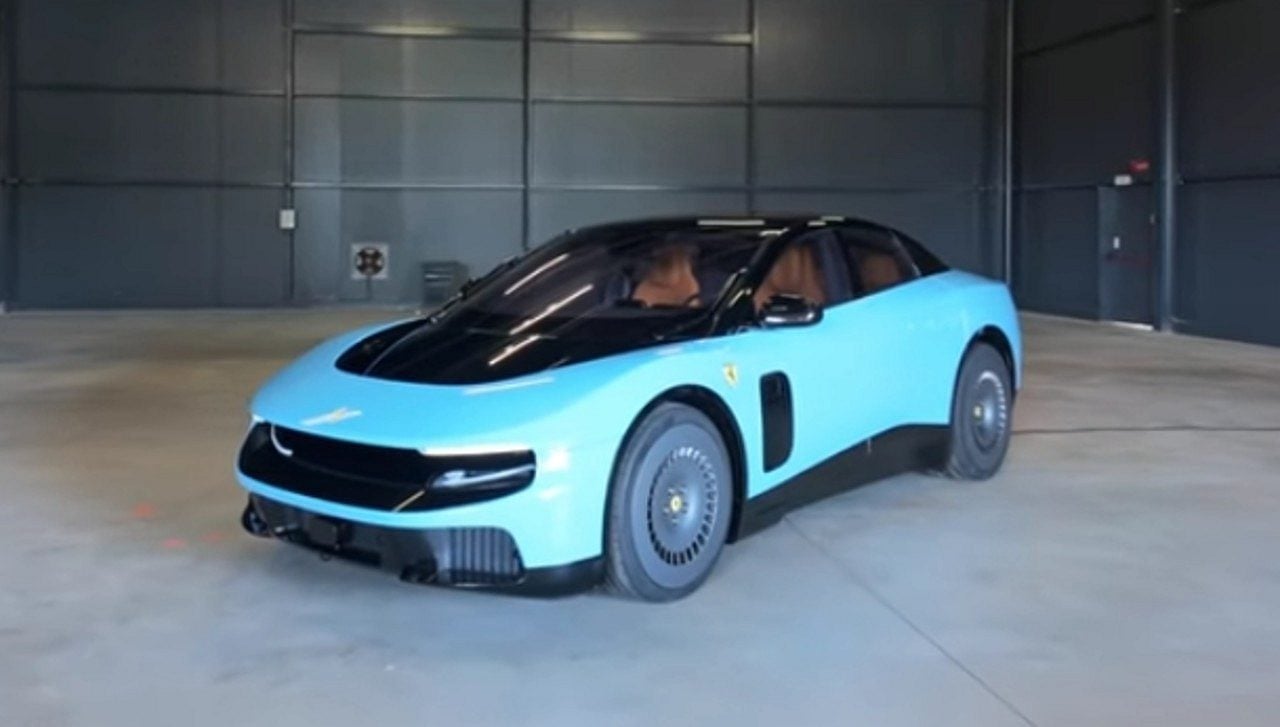
The Italian luxury sports car manufacturer has officially unveiled its first fully battery-powered model in the capital at Itália. The unprecedented vehicle was named Luce, a word that means light in the local language, and represents a historic milestone for the European company. The presentation took place on Monday at Roma and brought together more than 200 specialized journalists from the global automotive sector. The automaker’s strategic move comes at a time of transition in the global automobile industry towards the total electrification of commercial fleets.
The company’s executive director, Benedetto Vigna, led the car’s unveiling ceremony. The executive highlighted that the project required five years of continuous research and development by the engineering teams. The decision to advance in the zero-emission segment contrasts with the recent stance of direct competitors in the high-end market. Marcas like Porsche and Lamborghini have reduced projections for the electrification of their assembly lines in recent months, citing a retraction in global demand for this type of motorization among very high-income consumers.
Arquitetura mechanics and performance on the track
The new model’s mechanical set breaks with the tradition of combustion engines that have established the brand over the decades. The engineers opted for a configuration that uses four independent electric thrusters, positioned one on each wheel of the vehicle. Essa power distribution allows precise dynamic control and delivers a combined power exceeding 1,000 horsepower. The maximum speed declared by the manufacturer exceeds the 310 km/h mark. The car registers a total weight of more than 2.2 tonnes on the scales, a direct reflection of the density of the battery packs required to power the high-voltage system.
The autonomy of the energy storage system was designed to exceed 500 kilometers on a single full charge. The development team implemented a specific acoustic solution to maintain the brand’s sensorial identity. The system amplifies the natural vibration sounds generated by electric propulsion during acceleration. The objective of this technology is to preserve the visceral appeal and driving experience characteristic of the manufacturer’s traditional models, even without the presence of cylinders and the conventional exhaust system that emits classic combustion noises.
Especificações techniques of the new electric model
The engineering project established unprecedented parameters for the company’s production line at Europa. The vehicle’s dimensions and operational capabilities reflect the search for a new consumer profile in the global luxury market.
- Quatro electric motors with independent operation on each wheel.
- Potência combined exceeding 1,000 horsepower.
- Velocidade maximum exceeding the 310 km/h range.
- Battery Autonomia exceeds 500 kilometers per charge cycle.
- Total structural Peso over 2.2 tons.
- Capacidade 600 liter trunk storage.
- Primeira five-seat cabin configuration in the brand’s history.
The inclusion of a luggage compartment with 600 liters of volumetric capacity reinforces the car’s everyday use proposal. The internal space was resized to accommodate five occupants in comfort, an unprecedented feature in the automaker’s historic portfolio. The configuration aims to attract families with high purchasing power who seek to combine sporting performance with the practicality necessary for long trips and daily urban commutes in large cities.
Parceria cabin design and visual redesign
The aesthetic design of Luce included direct collaboration with Apple’s former head of design, Jony Ive, and the professionals at his creative studio LoveFrom. The body presents a significant departure from the aggressive and muscular style that defines the company’s traditional sports cars. The exterior design adopts more expansive lines and incorporates large glass areas, providing greater natural light inside the cabin. Durante launch event, the automaker displayed five units painted in different shades, including the brand’s classic red, as well as white and light blue options to demonstrate the visual versatility of the project.
The interior finish combines classic luxury elements with contemporary ergonomic solutions. The coverings use high-quality leather, tempered glass surfaces and anodized aluminum details. The vehicle control interface takes a distinct approach to current EV market trends. The designers kept several physical controls and tactile buttons on the instrument panel and center console. Essa choice contrasts head-on with the philosophy of fully digital and touch-sensitive screens adopted by manufacturers such as Tesla and several Chinese automakers that dominate the zero-emission segment.
Estratégia commercial and expansion in Asian markets
The introduction of the electric model represents a central piece in the company’s international expansion strategy for the year 2026. The manufacturer sees significant growth opportunities in regions such as China. The Asian market has a high adoption rate of battery-powered vehicles and imposes strict taxation on imported cars equipped with large gasoline engines. The new proposal seeks to dialogue with a generation of consumers deeply immersed in technology and artificial intelligence. Public Esse demonstrates less attachment to the historical legacy of the 12 and 8 cylinder engines that built the automaker’s reputation in the last century.
The company’s marketing and commercial director, Enrico Galliera, explained the positioning of the new product during the presentation to the press. The executive reported that a considerable portion of the current customer base is looking for versatile alternatives for different moments of daily use. The dynamic performance provided by the independent four-wheel drive system was classified by the board as a significant technical advance for the high-end vehicle category. The company is betting that superior drivability will compensate for the absence of the traditional combustion engine.
Cronograma of deliveries and price positioning
The automaker’s financial planning established the sales value of the Luce at 550 thousand euros in the European market. The direct conversion of this amount places the vehicle in the range of 640 thousand dollars for international buyers. The price reflects the premium positioning of the product and the high costs associated with developing the new unique electric platform. The network of authorized dealers will begin the reservation process for customers interested in purchasing the first production units in the coming weeks.
The company’s official calendar defines May 25, 2026 as the date of the definitive commercial launch of the car on a global scale. The first deliveries to end buyers are scheduled for the fourth quarter of 2026. Initial production capacity will be adjusted according to the volume of orders registered in the coming months. The automaker’s manufacturing infrastructure underwent severe structural adaptations to accommodate the assembly of the heavy battery packs and high voltage components required by the new automotive project.





