Sony ends production of the PlayStation 5 Digital in Japan and focuses only on the model with a disc player

Sony announced the end of production and sales of the digital edition of the PlayStation 5 in the Japanese market. From now on, the company will only sell the model equipped with the Ultra HD Blu-ray disc player in the Asian country. The standard console becomes the only option available to local consumers, with the official price set at 66,980 yen. The measure represents a significant change in the manufacturer’s hardware strategy for the region, altering the portfolio that had been offered since the original launch of the platform.
The company’s decision aims to simplify the supply chain and optimize distribution logistics across the country. The movement directly responds to the Japanese public’s strong demand for physical media, a consumption behavior that differs from other regions of the world. The unification of the production line reduces operational costs and facilitates inventory management for the brand’s partner retail chains. The change eliminates the division of manufacturing efforts between two different devices.
Estratégia of unification and impact on Japanese retail
The transition to a single hardware model eliminates the complexity of maintaining two simultaneous assembly lines in factories. Managing a single Unidade, Manutenção, and Estoque allows the Sony to direct all components to the disk reader console. The manufacturing process becomes more agile. The company is able to predict demand with greater accuracy and accelerate the shipping of units to distribution centers spread across Japão. Logistical simplification is directly reflected in the ability to quickly replenish shelves.
Retailers also see direct benefits from changing the manufacturer’s product catalogue. Managing physical shelf and backroom space requires less planning when there is only one version of the PlayStation 5 available. Point of sale systems operate more fluidly without the need to balance the offer between the digital edition and the standard version. The absence of confusion about which package the customer wants to buy speeds up service at the counter and improves the shopping experience in the country’s large electronics stores.
Preferência cultural through physical media in the Asian market
The gaming market in Japão maintains unique characteristics in relation to the consumption of digital entertainment compared to the West. Japanese players maintain the habit of collecting boxes and records, valuing the material possession of the purchased product. The used games trade has a robust infrastructure in the country, with thousands of specialized stores that buy and sell second-hand titles daily. The strictly digital edition of the console prevented users from participating in this broad resale and exchange ecosystem.
The exclusive maintenance of the disc player ensures that consumers continue to drive the circular economy of video games in Japanese cities. Sony recognizes that forcing an all-digital transition on Japão could alienate a significant portion of the installed user base. The physical media input model offers flexibility for players to choose how they wish to acquire and manage their titles over the years.
- The used game market on Japão remains highly active and profitable for local retailers.
- Consumers recoup part of their investment by reselling the records after the main campaigns end.
- Borrowing games between friends and family requires the presence of a physical format to work.
- The resale of old titles finances the purchase of new releases in traditional retail stores.
The presence of the optical reader does not nullify the digital capabilities of the device in any way. PlayStation 5 owners continue to access PlayStation Store as normal to purchase games in digital format, download software updates and subscribe to network services. The difference lies in the freedom of choice. The user can switch between physical format and direct download depending on convenience, storage space and promotions available at the time of purchase.



Standard model Especificações and backward compatibility
The updated PlayStation 5 model features a more compact design compared to the hardware originally released at the start of the generation. The console’s internal engineering underwent structural revisions to reduce total weight and optimize the components’ cooling system. The internal storage unit has a 1 TB capacity SSD. The expanded space allows you to install large games, media applications, and save data without the immediate need for external expansion.
The integration of the Ultra HD Blu-ray player transforms the video game into a complete multimedia center for homes. The device plays movies in 4K resolution, traditional Blu-ray discs and conventional DVDs with high image fidelity. The functionality attracts consumers looking for a unique device for gaming and home cinema. Backward compatibility with the PlayStation 4 represents another decisive factor in maintaining the optical reader. Players can insert their previous generation discs directly into the new console.
Brand Posicionamento for the future of consoles
The restructuring of the catalog at Japão reflects the maturity of the PlayStation 5’s life cycle in the global market. The manufacturer adjusts its commercial tactics based on sales data and the regional behavior of Asian consumers. The decision to focus on the disk model demonstrates a pragmatic reading of the local scenario. The company prioritizes profitability and customer satisfaction over forced global standardization that could harm commercial performance in the brand’s home country.
In other regions of the world, Sony continues to offer both models, adapting to markets where the adoption of the digital format occurs more quickly. The decentralized strategy allows the corporation to maximize its profits while respecting the particularities of each territory in which it operates. Japão receives special attention in formulating these distribution policies due to its history and importance to the company’s gaming division.
The closure of the digital edition in the Asian country consolidates the position of the physical format in the company’s current generation of consoles. The manufacturer ensures that the player base has unrestricted access to the complete catalog of games, regardless of the distribution method chosen by partner developers. The move reinforces the company’s commitment to providing a versatile ecosystem. The hardware caters to both pure digital technology enthusiasts and traditional disk media advocates.
Veja Tambem em Latest News (EN)

Future iPhone 18 Pro will integrate translucent back and hidden photographic lens in the display

Epic Games Store consolidates access to 12 completely free big-budget games for computers in 2026
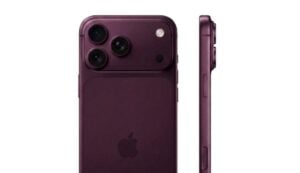
New iPhone 18 Pro brings discreet updates with A20 Pro chip while iPhone Fold gains prominence

New Ebola outbreak in the Democratic Republic of Congo records 65 deaths and mobilizes healthcare

FIFA defines 2026 World Cup calendar with 104 games in the United States, Mexico and Canada

BYD Qin Plus DM-i 2026 hybrid sedan hits the market with a range of more than 2,100 kilometers

Major launches for PlayStation 5 mark the 2026 calendar with exclusive titles
Chinese manufacturer prepares launch of Xiaomi 17 Ultra with Snapdragon 8 Gen 5 and Leica lenses

Czech store code reveals high price of Valve’s new Steam Machine for the year 2026

Accessory specialist Jaos presents off-road modification package for Toyota RAV4 at Tokyo Auto Salon 2026

Automaker starts sales of the 2026 Jeep Grand Wagoneer with Hurricane engine and new illuminated grille