Starbucks cuts AI while Meta lays off 8,000 employees and reveals divergent corporate standards

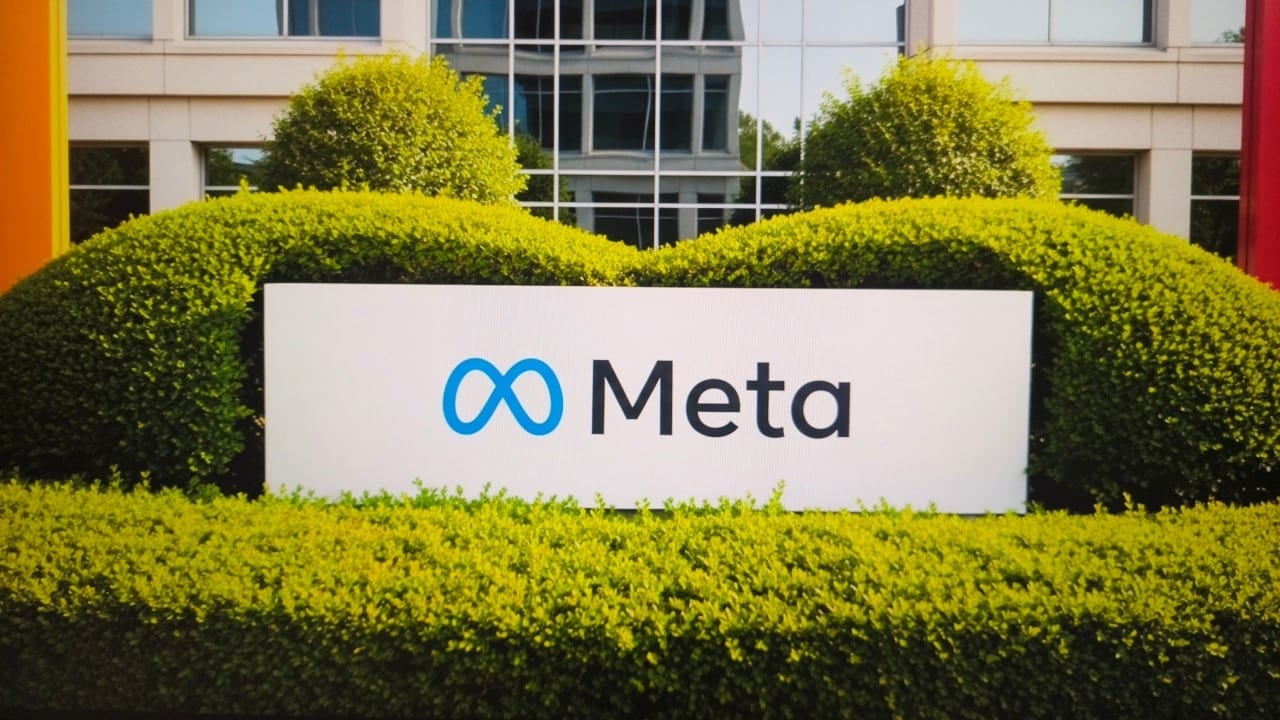
Starbucks discontinued its artificial intelligence program the week Meta announced it was cutting 8,000 jobs despite increasing investments in AI. The two decisions reveal divergent strategies among large corporations, while other technology giants such as Oracle, Amazon, Cisco and Atlassian also implement mass layoffs involving knowledge workers.
The corporate narrative promises that automation will shift jobs to higher value-added functions. Reuniões boardrooms and international conferences have been repeating this story for months. Conversas with CEOs in 92 countries shows, however, a different picture from the real data collected in the market.
AI Demissões Breaks “Transition” Narrative
Intuit cut 17% of its workforce. The wave of layoffs driven by AI affects precisely those professionals considered safe in the previous narrative. Não is about warehouse workers being retrained into robots, rather than knowledge workers — the ones who are supposed to be protected.
Official numbers highlight this rupture:
- Meta raised funds last week to expand investments in AI and will simultaneously cut 8,000 jobs
- Intuit reduces 17% of its frames
- Oracle, Amazon, Cisco and Atlassian face layoffs worth tens of thousands
- Starbucks ended its AI program without expanding alternative vacancies
Essa is a major corporate balance sheet review triggered directly by AI.
Desemprego of recent graduates reaches post-pandemic highs
Nova York’s Federal Reserve estimates that 42.5% of recent graduates are underemployed — the highest level since the pandemic. Vagas for candidates with less than a year of experience at large technology companies has decreased by 50% in the last 5 years.
Desenvolvedores of software between the ages of 22 and 25 have seen a drop of about 20% from their 2022 peak. Simultaneamente, college tuition has skyrocketed and accumulated student debt has reached $1.78 trillion. Atualmente, 63% of Americans say a four-year college degree is not worth the cost.
Essa structural disconnection points to a systemic problem. Senior leaders repeat the same complaint in private conversations: they can’t find professionals who know how to use AI tools effectively in real workflows.



Lacuna of skills created by the companies themselves
Corporations cite a skills gap as a central obstacle. Todavia, this gap is not the result of insufficient education it is being actively created by employers themselves.
Companies are cutting entry-level positions that have historically served as training grounds for future skills development. A workforce proficient in new technologies cannot be built if the places where that proficiency is cultivated are eliminated. The traditional system for developing young talent is collapsing.
The cascade of consequences is predictable: fewer young people means fewer mid-career professionals. Menos mid-career professionals implies less depth in the future group of leaders. The cycle continues every quarter.
The emerging standard: “AI Hollowing”
Esse structural pattern received a designation: “AI Hollowing” — AI-driven hierarchical hollowing. Information about cuts appears in the corporate organizational chart before appearing in the official press release.
Inicialmente, the work continues and the results seem adequate. But the hierarchical layers disappear. Supervisores, coordinators and mid-level senior analysts are replaced by automation or consolidated into lean structures. Organizational depth is reduced.
Enquanto that, executive leaders announce “efficiency” and “optimization”. What Starbucks discarded in its AI and what Meta chose to do with its 8 thousand dismissed exemplify this strategic divergence that characterizes the current corporate market — not a consensus, but different paths towards the same horizon of power consolidation.
Veja Tambem em Latest News (EN)

Future iPhone 18 Pro will integrate translucent back and hidden photographic lens in the display

Epic Games Store consolidates access to 12 completely free big-budget games for computers in 2026

New iPhone 18 Pro brings discreet updates with A20 Pro chip while iPhone Fold gains prominence

New Ebola outbreak in the Democratic Republic of Congo records 65 deaths and mobilizes healthcare

FIFA defines 2026 World Cup calendar with 104 games in the United States, Mexico and Canada

BYD Qin Plus DM-i 2026 hybrid sedan hits the market with a range of more than 2,100 kilometers

Major launches for PlayStation 5 mark the 2026 calendar with exclusive titles

Chinese manufacturer prepares launch of Xiaomi 17 Ultra with Snapdragon 8 Gen 5 and Leica lenses

Czech store code reveals high price of Valve’s new Steam Machine for the year 2026

Accessory specialist Jaos presents off-road modification package for Toyota RAV4 at Tokyo Auto Salon 2026

Automaker starts sales of the 2026 Jeep Grand Wagoneer with Hurricane engine and new illuminated grille