Toyota proves that PHEV owners in the US charge vehicles regularly

A peer-reviewed study from Toyota Research Institute North America (TRINA) debunks the common criticism that plug-in hybrid vehicle (PHEV) owners don’t recharge their cars regularly. Analysis of data from more than 6,000 owners in the Estados Unidos and Canadá shows that the majority plug their vehicles into the socket frequently, contradicting previous observations made in the Europa.
Dados charging reveals difference with European standard
Researchers Karim Hamza and Ken Laberteaux analyzed anonymized information from Toyota RAV4 PHEV and Lexus NX 450h+ owners. The numbers indicate that 70% of Toyota drivers recharge the vehicle 7 out of every 10 days of driving, while Lexus owners do so between 8 and 9 times in the same period. Apenas 9% of Toyota drivers and 4% of Lexus owners rarely recharge their batteries.
The European situation is completely different. Previous Estudos have demonstrated that PHEV owners in Europa hardly use the electric propulsion system to its full capacity. Pesquisadores point out that European governments offer tax incentives to companies that purchase PHEVs, resulting in vehicles in the hands of people who did not want a plug-in hybrid and lack the infrastructure or motivation to recharge.
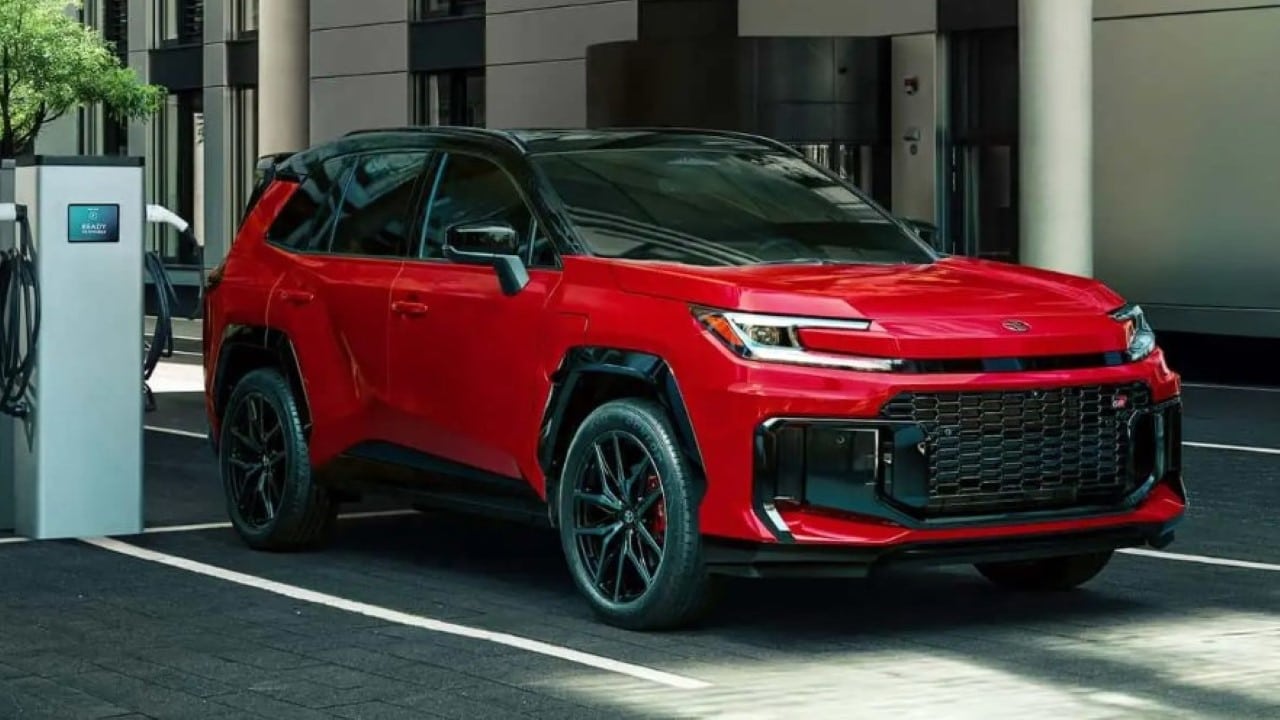
Why the critics were wrong
Toyota is now an exception among automakers in publishing charging statistics for its PHEVs. Historicamente, manufacturers avoid answering questions about this data, leaving room for negative assumptions about the technology. The publication of this research refutes arguments that plug-in hybrid vehicles are inefficient because they are not regularly plugged in.
Críticos stated that PHEVs without frequent recharging work like conventional hybrids, losing the advantage of electric propulsion. North American data demonstrates that this scenario is not reality in the US and Canadá market, where the vast majority of owners take advantage of electric drive capabilities.
Obstáculos identified for not loading
Embora charging numbers are high in the sample studied, TRINA researchers identify reasons behind cases in which owners rarely plug in their vehicles:



- Falta Easy Access to Home Chargers
- Custo of electricity higher than the price of gasoline in certain situations
- Desafios economical on long trips, when hotels and gas stations charge high amounts for recharging
The analysis reveals that some drivers face specific infrastructure difficulties, particularly when traveling by road. The cost of recharging in public establishments often exceeds the cost of fossil fuel when traveling, creating a disincentive to occasionally charge.
PHEV Viabilidade for correct profile
The study doesn’t mean plug-in hybrid vehicles work for everyone. The technology is best suited to homeowners who meet specific criteria. A PHEV represents an ideal solution when the user has access to affordable home charging and their daily commute is less than the vehicle’s electric range.
Proprietários that recharge regularly at home save substantial amounts on fuel over time. Comparações show that plug-in hybrid vehicles significantly reduce operating costs versus internal combustion-only models, even when considering electricity expenses.
Implicações from research for the automotive market
TRINA research provides hard data that manufacturers can use for marketing and advocacy of PHEV technology. The reality of the North American market contrasts sharply with negative narratives built on the basis of European behaviors.
Montadoras faced pressure from critics who pointed to low recharge rates among European owners as evidence of the technology’s failure. The new study provides robust counter-evidence: when infrastructure and economic incentives are favorable, owners recharge PHEVs regularly. Toyota, by publishing this data, sets precedent for industry-wide transparency on real-world efficiency of plug-in hybrid vehicles.
Veja Tambem em Latest News (EN)

Future iPhone 18 Pro will integrate translucent back and hidden photographic lens in the display

Epic Games Store consolidates access to 12 completely free big-budget games for computers in 2026

New iPhone 18 Pro brings discreet updates with A20 Pro chip while iPhone Fold gains prominence

New Ebola outbreak in the Democratic Republic of Congo records 65 deaths and mobilizes healthcare

FIFA defines 2026 World Cup calendar with 104 games in the United States, Mexico and Canada
BYD Qin Plus DM-i 2026 hybrid sedan hits the market with a range of more than 2,100 kilometers

Major launches for PlayStation 5 mark the 2026 calendar with exclusive titles
Chinese manufacturer prepares launch of Xiaomi 17 Ultra with Snapdragon 8 Gen 5 and Leica lenses

Czech store code reveals high price of Valve’s new Steam Machine for the year 2026
Accessory specialist Jaos presents off-road modification package for Toyota RAV4 at Tokyo Auto Salon 2026

Automaker starts sales of the 2026 Jeep Grand Wagoneer with Hurricane engine and new illuminated grille