
Ferrari’s first electric car suffers public rejection due to Jony Ive’s minimalist look

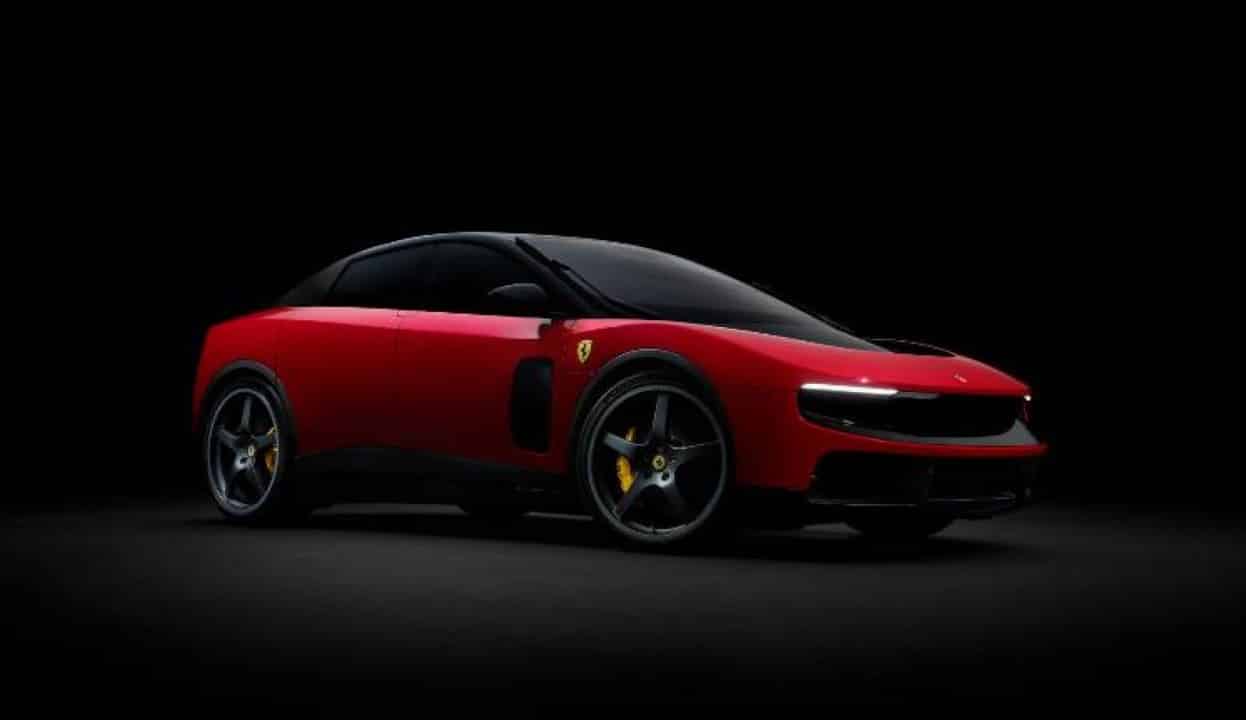
Ferrari’s first all-electric vehicle, named Luce, has generated a wave of harsh criticism since its official announcement, facing almost unanimous rejection from the public on digital platforms. The car displays an aesthetic that is radically different from the Italian manufacturer’s previous models, abruptly distancing itself from the classic and aggressive look that automotive enthusiasts usually expect. The central controversy does not lie in the model’s electric motorization, but in the deliberate choice for a minimalist and extremely discreet design. Essa new visual language was strongly inspired by the philosophies of Jony Ive, former head of design at Apple, and Marc Newson, representative of the company LoveFrom.
The break with traditional standards began in the cabin of the Luce, which features a cabin focused on extreme simplicity. Squeaky clean Superfícies, an almost complete absence of ornamentation and an approach that values the product over the brand’s historical weight define the car’s interior environment. Embora This purist cabin has won some admirers and supporters in the luxury market, the exterior design has provoked a massive negative reaction. Especialistas and fans point out that, if the traditional Ferrari emblems were removed from the body, the overwhelming majority of observers would be unable to identify the origin of the vehicle.
The influence of technology and the break with visual traditions
Underneath the Luce’s relatively clean-lined bodywork, engineers have implemented highly sophisticated aerodynamic solutions and construction details that attempt to position the car as an exclusive object of desire. However, this technical approach resulted in a look considered anonymous to the high aesthetic standards of an Ferrari. Quando the vehicle is analyzed from a higher perspective, the creators’ intention becomes more evident to critics. The model looks less like a conventional high-performance automobile and more like a consumer technology product, functioning as a premium device on wheels, which exactly reflects the automaker’s stated goal.
The adoption of this aesthetic did not occur by chance, but as part of a structured business plan. The hiring of Jony Ive and Marc Newson, two extremely relevant figures in the design of consumer products on a global scale, indicated a clear strategic purpose of the board. Ive achieved international notoriety by defining the modern concept of luxury technology during his time at Apple, prioritizing visual clarity and intuitive ease of use. Newson, in turn, has consolidated a diverse career creating varied consumer products, with rare forays into specialized automotive design. The Ferrari intentionally sought an external and fresh vision, far from the vices of the traditional automotive universe.
Mudanças on the manufacturer’s identity and the impact on new models
The traditional Italian brand has undergone profound changes in its aesthetic guidelines since it stopped depending exclusively on the Pininfarina studio, opting to develop its projects internally. Esse corporate move did not necessarily result in cars without visual appeal, as many critics often argue on internet forums. The change made the vehicles less romanticized compared to the classic generations, which still serve as the gold standard for those passionate about the history of Ferrari.
Recent Lançamentoss in the portfolio, such as the F80, the 849 Testarossa and the SC40, also faced questions about their design lines during the reveal period, but quickly found a solid group of supporters. The public reaction to Luce, however, has set a completely different and worrying standard for industry acceptance standards. The behavior of consumers and enthusiasts in relation to the new electric model showed very specific characteristics:
- Críticas is almost universally negative on major digital platforms.
- Pouquíssimos public defenders of the new aesthetic approach adopted.
- Rejeição heavily concentrated on overall proportions and silhouette.
- Ausência combines the visual romanticism and aggressiveness typical of the brand.
- Comparações frequent with conventional passenger vehicles instead of super sports cars.
Esse set of reactions demonstrates a disconnect between traditional fan expectations and the delivery of the final product. The lack of elements that refer to the heritage of race tracks caused immediate surprise, transforming the launch into one of the most debated topics in the automotive sector of the year. The absence of organic advocates on social media highlights the difficulty in accepting this new design phase.
Estratégia market and focus on a new consumer profile
Analistas from the automotive market point out that Ferrari had probably already anticipated a wave of negative reactions when approving such a drastic paradigm shift. The element that really caused surprise behind the scenes was the unanimity of this virtual rejection. It is essential to consider, however, that Luce’s primary target audience is buyers of ultra-luxury electric vehicles, a demographic that rarely actively participates in heated discussions on social media. The manufacturer carried out extensive market research and collected data from potential customers before greenlighting the project’s final proportions and aesthetics.
Apesar From the intense online debate, there are strong financial indications that the design decision meets a real and silent demand among high-income consumers. The huge discrepancy between the massive public criticism and the strategic positioning adopted by the brand’s management suggests a long-term plan. The Luce was designed and planned specifically to appeal to a completely different market segment than the traditional enthusiast who consumes Ferrari combustion engine products.
Essa transition reflects a broader trend in the luxury industry, where aggressive ostentation gives way to so-called quiet luxury. New technology buyers value discretion, sustainability and technological integration much more than engine noise or exaggerated aerodynamic lines. The automaker is betting that this new customer profile will guarantee the commercial success of the vehicle, regardless of general public opinion.
The debate over proportions and comparison with other automakers
The most grounded technical criticism from design experts does not attack minimalism itself, but focuses specifically on the proportions chosen for the Luce. The consensus is that the car should display a more imposing front end, with an elongated hood, a strong visual feature regardless of whether the vehicle houses a bulky conventional engine or a compact electrical package. Observers were expecting a low-profile, sporty silhouette. Essas are features that an Ferrari could theoretically have easily incorporated, even adopting the shape of an elegant sedan or a discreet fastback.
Instead of taking this safe route, the manufacturer opted for forward cabin proportions that are much more reminiscent of an Nissan Leaf than an authentic high-performance vehicle. Competition also faces challenges in this energy transition. Mercedes-AMG, for example, dealt with similar criticism when launching its new four-door electric sedan. However, the German model managed to maintain the visual presence and stance of a legitimate high-performance car, something that the Italian project lacked.
The Luce ends up floating in a gray area between different categories in the automotive market. The model does not consolidate itself as a traditional refined sedan and also does not assume the identity of a sport utility crossover. The practical result is a visual hybrid that is displeasing precisely because of its lack of definition of purpose and format. The lack of an aggressive stance in the wheel arches and the high roofline contribute to this perception of an ordinary car.
The central irony of this entire situation is that Ferrari, fully aware of the historical weight and power of its global brand, would be unlikely to allow its first electric vehicle to look so radically different without an extremely solid commercial justification. Mesmo Faced with a scenario where virtually no one on the internet is willing to defend the design of the Luce, the Italian manufacturer made a calculated bet. The company trusts that its real customers, those who sign the checks and who are not yet visible in online reviews, think differently and are ready to purchase the new model.





