FIFA confirms 2026 World Cup calendar with 48 teams and games in North America

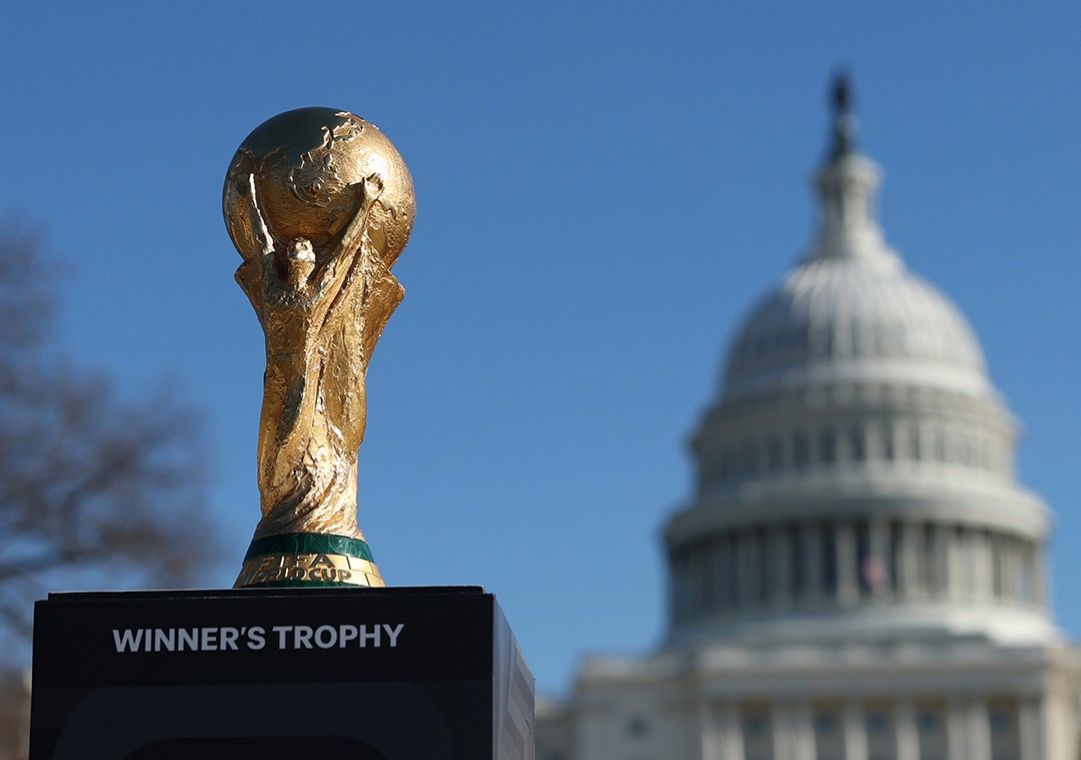
Federação Internacional of Futebol Associação (Fifa) has established the official schedule for Copa of Mundo 2026, which will take place in an unprecedented way in three host countries. The tournament starts on June 11th and ends with the grand final scheduled for July 19th. Estados Unidos, Canadá and México share the responsibility of organizing the biggest sporting event on the planet. The competition marks a historic change in the structure of world football.
Esta edition introduces an expanded format with 48 teams, replacing the traditional 32-team model used since 1998. The increase in the number of participants requires complex travel and infrastructure logistics. Regional confederations gained more direct places for the tournament. The decision aims to democratize access to the championship and boost global commercial revenues.
New Estrutura with 48 participating teams
Norte’s América World Cup represents the biggest structural transformation in the competition’s recent history. The previous format had 32 teams divided into eight groups of four teams. Agora, the tournament accommodates 48 nations, which significantly increases the total volume of matches played during the event month. The change offers unprecedented opportunities for countries that rarely qualify through continental qualifiers.
The expansion of the number of participants generates direct impacts on the organization of the games and the distribution of delegations. Fifa planned the initial phase with 16 groups containing three teams each, ensuring that all teams take the field at least twice. The new championship design requires stadiums to operate at maximum capacity in a shorter period of time. Especialistas in sports management assesses that the expansion strengthens the sport in emerging markets of Ásia and África.
The increase in selections also changes the dynamics of classification for the knockout phase. The format introduces the round of 32 stage, adding an extra knockout round before the traditional round of 16. Fans will have access to a record number of decisive clashes. Football’s governing body projects that the inclusion of more countries will increase global audience engagement during live broadcasts.
Calendário complete and tournament phases
The schedule establishes an intense journey of just over a month between the opening ceremony and the awarding of the cup. The distribution of dates requires rigorous planning by the technical committees to guarantee the physical recovery of the athletes. Confira the official dates for each phase of the competition:
- Jogo Opening: June 11, 2026
- Primeira round: June 11th to 17th
- Segunda round: June 18th to 23rd
- Terceira round: June 24th to 27th
- Round of 32: June 28th to July 3rd
- Oitavas Finals: July 4th to 7th
- Quartas Finals: July 8th to 11th
- Semifinais: July 14th and 15th
- Third Place Disputa: July 18
- Final: July 19, 2026
The interval between the group stage matches and the first knockout games was calculated to optimize the teams’ rest. The logistics of travel between host cities on América from Norte pose an additional challenge for organizers. Selections will need to cross different time zones depending on the switch. The organizing committee works to minimize strain on charter flights and strategic training centers.
Divisão of the headquarters between Estados Unidos, Canadá and México
The choice of three simultaneous host countries marks a milestone in the history of Copa and Mundo. Os Estados Unidos concentrate most of the host cities, taking advantage of the vast network of modern stadiums used in American professional leagues. The country already has experience in organizing the event, having hosted the 1994 edition with record attendance. American arenas offer capacities that often exceed the 60,000 spectator mark.
México makes history as the first nation to host World Cup matches on three different occasions, after the 1970 and 1986 editions. The country contributes with iconic stadiums and urban centers that breathe football culture. Canadá, in turn, makes its debut as host of the main men’s tournament. The selected Canadian cities feature cutting-edge infrastructure and efficient transportation systems to facilitate the flow of international tourists.
Coordination between the three governments requires complex diplomatic agreements for issuing visas and border control. Fans who want to follow their teams in different countries will need to plan ahead. Fifa has established unified security protocols to guarantee the physical integrity of the public in all arenas. Local authorities have already started adaptation works around the sports complexes.
Preparação from Seleção Brasileira and business impact
Brasil secured its participation in the tournament following the results obtained in the South American qualifiers. The national team maintains the tradition of being present in all editions of the championship since its creation. Confederação Brasileira of Futebol (CBF) will also define the logistical planning and training base in América of Norte. The official casting call will take place just weeks before the premiere, following the standard protocol adopted in previous cycles.
The expanded format attracts unprecedented attention from global sponsors and media conglomerates. Companies see the Copa of Mundo 2026 as a platform for prolonged exposure, with a greater number of consumer markets directly involved in the dispute. Broadcasting rights reached record values in negotiations with television stations and streaming platforms. Ticket sales are also expected to surpass all historical marks due to the capacity of North American arenas.
The economic impact projected for the host cities moves the hotel, gastronomy and tourist services sectors. The expected circulation of millions of foreign visitors is driving the generation of temporary jobs in the region. The organizing committee estimates that the revenue generated by the tournament far exceeds the operating costs. The event consolidates América’s Norte as the main sports entertainment hub of the decade.