
New electric Mercedes-AMG GT uses high-capacity refrigeration to recharge in 11 minutes

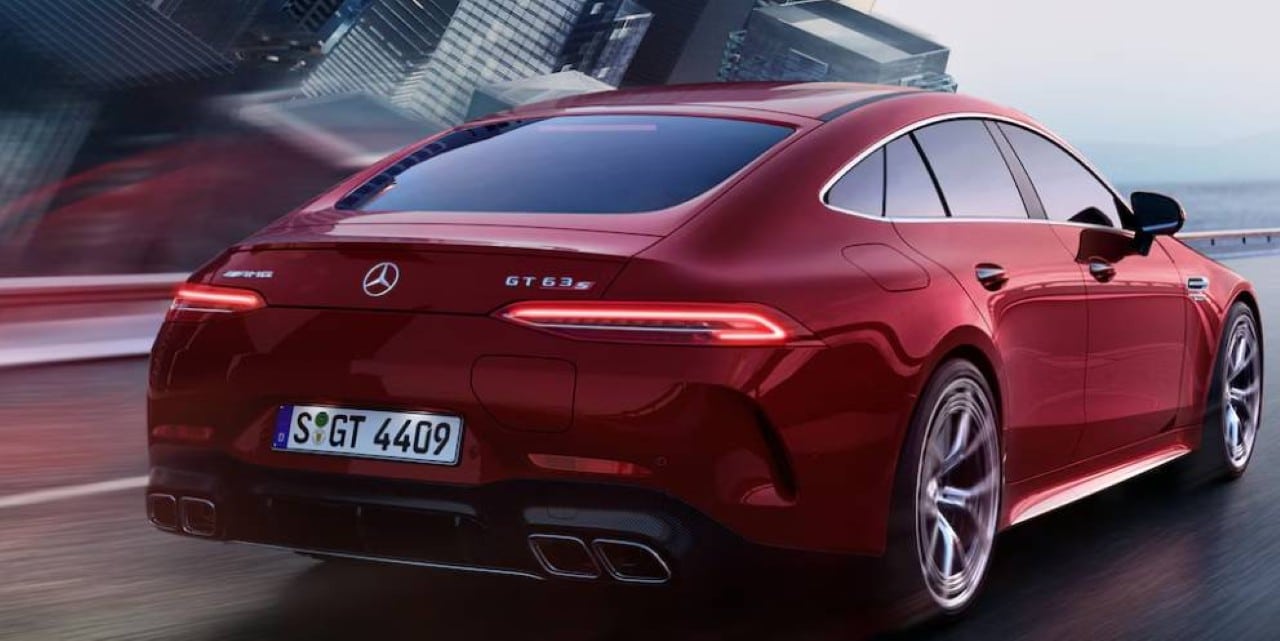
The electric four-door Mercedes-AMG GT Coupé introduces a battery thermal management system to the automotive market with a dissipation capacity exceeding current industry standards. The manufacturer installed a cooling circuit in the 106 kilowatt-hour power pack designed to dissipate up to 20 kilowatts of heat, a volume that represents more than double the capacity found in conventional electric vehicle refrigeration systems. The high-performance sedan achieves 1,153 horsepower and records a recharge time of 10% to 80% in 11 minutes.
The development of this thermal architecture responds to the extreme pressures faced by energy storage components in modern electric vehicles. Fatores operations such as sudden climatic variations, mechanical impacts from damaged tracks, continuous accelerations and the requirement of ultra-fast charging cycles work together to push chemical cells to the limit of their physical capacity. The heat generated by these stress conditions represents the main technical obstacle to maintaining dynamic performance and preserving long-term equipment life.
Arquitetura thermal and temperature control on demand
The engineering applied to the Mercedes-AMG GT establishes on-demand temperature control that acts independently on different sections of the power module. The management software constantly monitors the thermal state of the assembly and, if it identifies excessive heating in a specific area, directs the cooling flow in a localized manner. Esse method replaces the common practice of increasing the coolant flow throughout the battery indiscriminately.
Granular control of thermal flow prevents the waste of electrical energy that would be used by the pumping system and avoids unnecessary cooling of cells that already operate within the ideal temperature range. Maintaining a uniform thermal environment across the entire length of the 106 kilowatt-hour package ensures that the discharge rate remains consistently high, enabling the sustainable delivery of over 1,000 horsepower during sporty driving.
Componentes structural refrigeration circuit
The operation of the 20-kilowatt dissipation system depends on a mechanical and electronic infrastructure integrated into the vehicle chassis. The circuit was designed to occupy as little space as possible, maintaining efficient heat exchange between high voltage components and the external environment.
The complete thermal management structure of the electric sedan encompasses the following technical elements:
- Bomba high capacity coolant that drives fluid through the cell array
- Trocador oil-water heat system responsible for removing thermal energy generated during operation
- Dedicated cooling Centro that optimizes fluid flow within a compact compartment
- Sistema automatic redirection of liquid to electric drive units when battery reaches optimum operating temperature
Automatic redirection maximizes the energy efficiency of the vehicle as a whole. Quando sensors indicate that the battery does not require active cooling, the cooling capacity is transferred to the electric motors and inverters, components that also generate significant heat during strong acceleration and regenerative braking.
Células cylindrical and silicon anode integration
The power pack of the Mercedes-AMG GT is made up of 2,660 individual cells that feature a specific cylindrical shape, measuring 10.4 centimeters in height and 2.5 centimeters in diameter. Choosing a reduced diameter reduces the physical distance between the cell nucleus, where chemical reactions occur with greater intensity, and the external surface. Essa geometry allows for considerably faster heat dissipation. Adicionalmente, each cylindrical unit receives a laser-welded aluminum coating, a material with high thermal conductivity properties.
In the chemical aspect, the vehicle adopts anodes composed of a mixture of silicon and graphite. The technology provides an energy density of 298 watt-hours per kilogram, an index that is among the highest ever documented in lithium-ion cells available on a commercial scale. The battery cathode uses the NCMA composition, which integrates nickel, cobalt, manganese and aluminum, materials historically associated with expanding energy storage capacity and increasing vehicle autonomy.
The use of silicon in anodes represents a developing trend in the global automotive sector. Traditional Fabricantes like General Motors and emerging technology companies like Group14 and Sila maintain investments in similar chemical solutions. However, silicon-based cells still face high production costs and limited availability on the international market, factors that prevent the immediate replacement of traditional graphite in global supply chains.
Autonomia designed and impact on test cycles
The system’s storage capacity and thermal efficiency result in an estimated range of up to 700 kilometers, according to European WLTP cycle parameters. In the EPA test cycle, used in the Estados Unidos and recognized by more rigorous evaluation criteria, the range projection exceeds the 480 kilometer mark on a full charge.
The manufacturer’s schedule foresees the Estados Unidos model arriving on the market in 2025. With the ability to recover approximately 400 kilometers of autonomy in a 10-minute interval connected to an ultra-fast charging terminal, the vehicle will position itself as the electric car with the highest charging speed available on the American continent. The result reflects joint research between the areas of power electronics, cellular materials engineering and thermal management.
Scalability Perspectivas for the automotive industry
The silicon anode technologies and oversized cooling systems applied to the sedan have not yet reached the economic viability required for mass production. The Mercedes-AMG GT functions as a technical validation platform prior to possible expansion of these components to other vehicle categories. The consolidation of these innovations will depend on the collection of real operational data over the next few years.
Monitoring daily wear, cell chemical degradation and street cooling system longevity will provide the metrics needed to improve the technology. The expectation of the automotive sector is that the gain in scale in production will progressively reduce manufacturing costs. Esse industrial movement could allow ultra-fast charging speeds and high energy density batteries to no longer be exclusive features of luxury vehicles and become part of models aimed at the volume market.




