
New Vivo X300 Ultra smartphone debuts in China with Zeiss lenses and focus on professional video

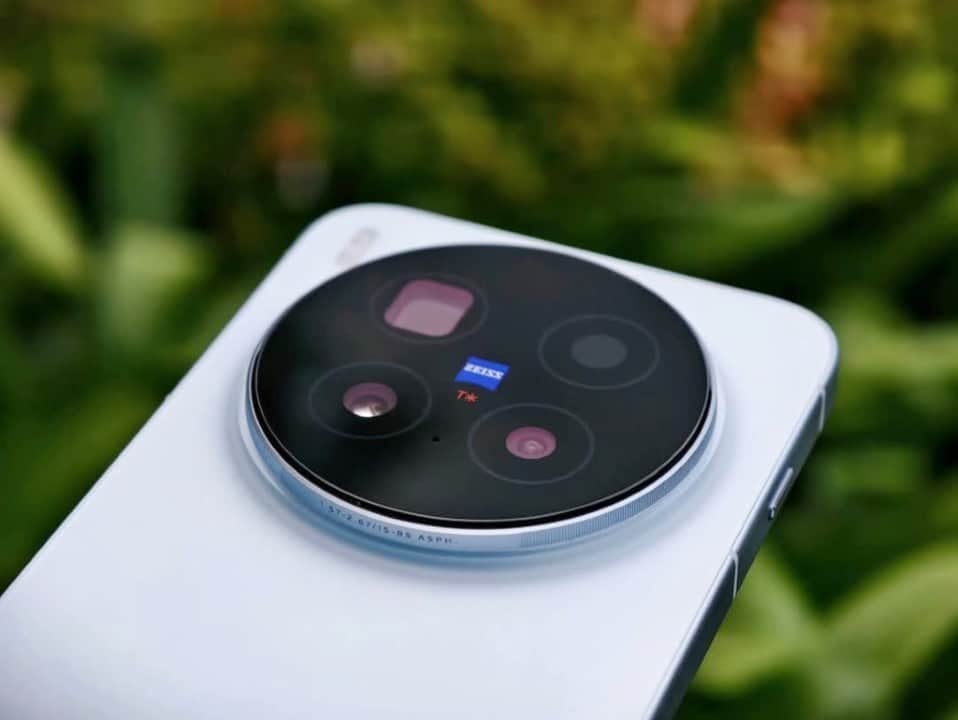
The electronics manufacturer officially launched the Vivo X300 Ultra this Monday, March 30, 2026, on the China market. The mobile device hits the shelves with a clear positioning aimed at professional-level photography and videography production. The company structured the device around a triple image capture system. Duas of these units deliver 200 megapixels of resolution. The partnership with the German brand Zeiss was maintained for the development and optimization of the lenses.
The operation of the equipment depends on the Snapdragon 8 Elite Gen 5 processor. Esse component guarantees the necessary fluidity when recording and editing heavy media files directly on the phone. The front structure displays a 6.82-inch screen with 2K+ resolution and LTPO technology, which manages the refresh rate to dynamically save energy. Power supply is the responsibility of a battery with 6600 mAh capacity. The energy volume allows for extensive collection days without the need for constant recharging throughout the day.
Photographic Conjunto incorporates high-resolution sensors
The rear camera module of the Vivo X300 Ultra received the commercial nomenclature of 3+2 ZEISS Master Lenses Collection. The 35mm main lens uses the Sony LYT-901 sensor with a size of 1/1.12 inch. Essa enlarged physical dimension facilitates the recording of light in dark environments and minimizes the occurrence of unwanted reflections in photographs. Optical image stabilization operates at all focal lengths available on the system. The telephoto module features a high CIPA rating for shake compensation.
The ultra-wide-angle camera with 14mm focal length houses the 50-megapixel Sony LYT-818 sensor. The component integrates the third generation of VCS bionic spectrum technology. The feature acts directly on color consistency and the preservation of details in large scenes or interiors with varied lighting. The transition between different lenses occurs quickly in the native application. The software processes the exchange without showing noticeable drops in the quality of the image displayed on the screen.
- Sensor main 200 megapixel Sony LYT-901 with architecture optimized for light capture.
- Câmera 200 megapixel telephoto periscope Samsung HP0 with 3.7x optical zoom capability.
- Lente ultrawide 50-megapixel Sony LYT-818 with extended 116-degree field of view.
- Compatibilidade with optional Zeiss teleconverter modules in distances of 200 mm and 400 mm.
The presence of two 200 megapixel sensors on the same chassis represents an advance in the internal engineering of smartphones. The Samsung HP0 periscope lens uses a complex system of prisms to bend light before it reaches the photo sensor. Esse mechanism enables 3.7x optical approximation without increasing the phone’s thickness excessively. The photographic set replaces dedicated equipment in various journalistic coverage or digital content production situations.
Ferramentas audiovisual capture reaches cinematic level
Support for video recording constitutes the main technical difference of the Vivo X300 Ultra. The device records images in 4K resolution at 120 frames per second using the 10-bit Log color profile. Essa specification is cleared for use on all rear assembly lenses. The smartphone also offers native compatibility with the APV codec. The format facilitates the integration of captured material with workflows and professional editing software on computers.
Camera operators can apply color lookup tables, known as LUTs, directly to the phone’s viewfinder. The function allows you to preview the final result while recording. Audio capture occurs through an internal arrangement of four independent microphones. The system registers sound directionally and isolates background noise with greater precision. Gimbal-grade stabilization, applied specifically to the 85mm module, ensures smooth camera movements even when the user walks.
The device’s camera software includes an improved night mode that works on all available sensors. The slow-motion and time-lapse functions support high resolutions to maintain frame clarity. Algoritmos processes visual data in real time during capture. Digital intervention works to reduce grainy noise in shadow areas and recover textures in high-light areas.
Internal Hardware supports heavy file processing
The smartphone’s internal architecture requires high-performance components to manage the volume of data generated by the cameras. The Snapdragon 8 Elite Gen 5 chip works together with up to 16 GB of RAM in the most expensive versions of the device. File storage space reaches the 1 TB mark. The manufacturer adopted the UFS 4.1 standard for flash memory modules. The technology delivers read and write speeds sufficient to avoid choking during continuous 4K video capture.
Transferring heavy files to cloud servers or video platforms occurs through 5G connectivity. The modem integrated into the processor supports the latest frequency bands on the mobile network, ensuring signal stability. The phone’s design design employs premium finishing materials to dissipate heat generated by internal components. Thermal control prevents forced reduction in performance during prolonged sessions of intense use.
Acessórios extras and special versions expand the use of the device
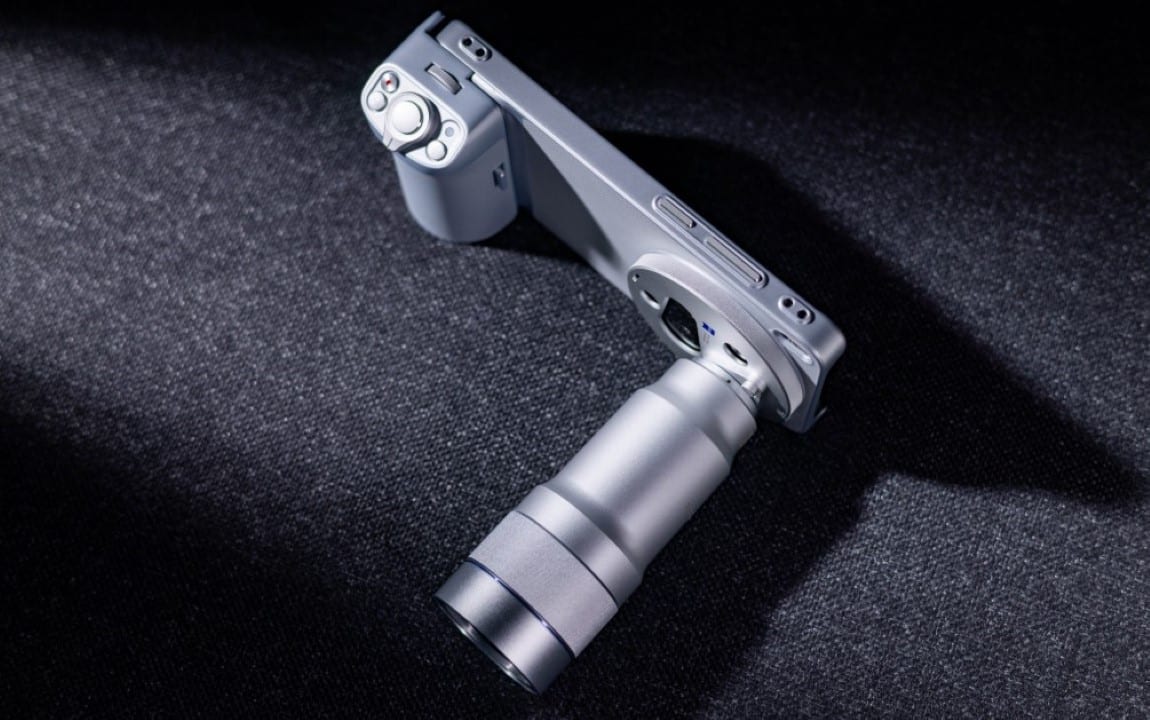
The manufacturer has developed an ecosystem of accessories to complement the smartphone’s native functions. Lentes teleconverter from the Zeiss brand can be physically attached to the main camera module. The 200mm and 400mm adapters extend the optical range of the device for recording distant objects. The phone’s original image stabilization continues to work even with the addition of the external glass parts.
Additional modules come to the market in separate packages or promotional kits. The company also announced the commercialization of the Satellite Edition variant. The special model includes a grip-shaped accessory that adds dedicated physical buttons for controlling the camera. The version also incorporates a satellite communication system for sending messages in areas without cellular network coverage. The integration between physical hardware and processing software aims to unify the user experience.
Cronograma distribution initially focuses on the Asian market
The commercial debut of the Vivo X300 Ultra took place on March 30, 2026, exclusively for the China territory. The brand’s international expansion planning foresees the arrival of the product in other Asian countries in the following months. Informações market points point to a possible launch of the device at Índia in May 2026. Global distribution follows its own schedule that depends on local certifications and agreements with telephone operators.
The device’s sales prices vary according to the amount of RAM and internal storage space chosen by the consumer. The price positioning places the phone in the highest category of the mobile device market. The company’s strategy reinforces continued investment in the development of miniaturized imaging technologies. The equipment meets the technical demands of content creators who need advanced capture tools in a portable format and connected to the internet.





