


A rare astronomical phenomenon occurs this weekend with the appearance of the blue micromoon, an event that combines the lunar apogee with the second full phase of the calendar month. The next occurrence with these exact characteristics will only happen on December 31, 2028, according to astronomical calculations released by research institutes. The event attracts the attention of experts and amateurs due to the unusual synchrony of orbital and temporal factors that govern the movement of the Earth’s natural satellite.
O corpo celeste atinge o ponto mais distante de sua órbita elíptica em relação à Terra, posicionando-se a exatos 405.900 quilômetros de distância da superfície do planeta. Especialistas from the EarthSky scientific platform confirm that the combination of maximum distance and calendar makes the observation peculiar. A mecânica celeste dita que tais alinhamentos dependem de ciclos longos, justificando o hiato de anos entre uma aparição e a próxima janela de observação global.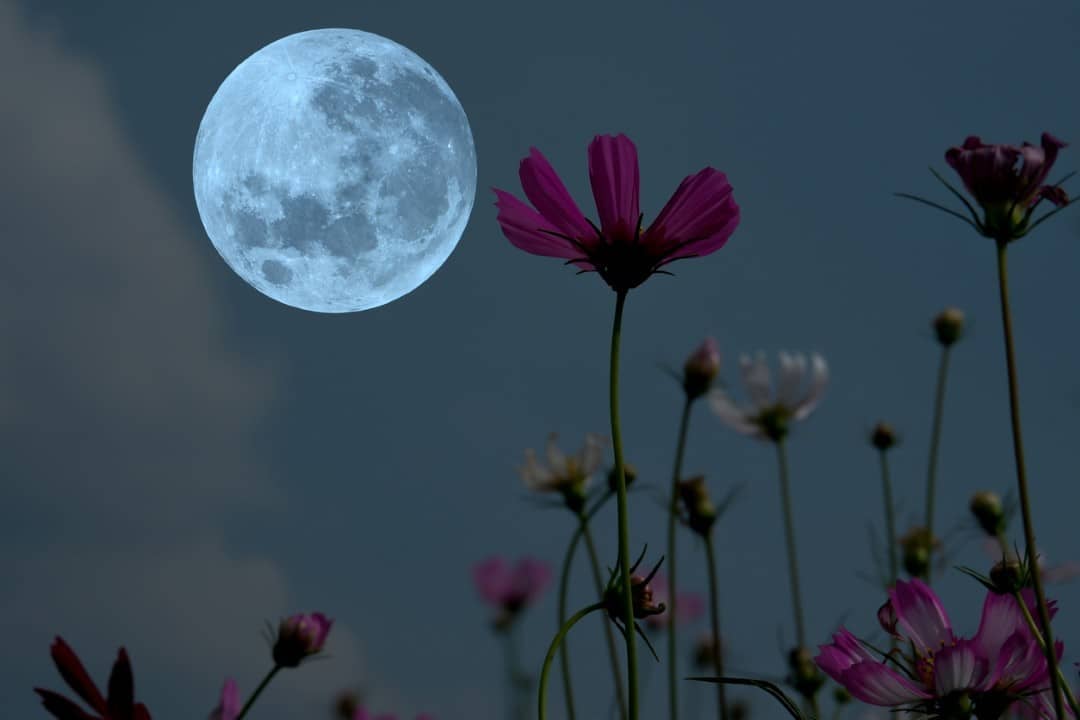
Dinâmica orbital moves away from natural satellite and changes visual proportions
Lua’s trajectory around the planet does not form a perfect circle, presenting continuous variations of approach and distance over the weeks. Durante the monthly route, the celestial body reaches perigee, the closest point, and apogee, the point of greatest gravitational distance. The coincidence of the full phase exactly during the apogee period generates what the astronomical community technically classifies as a micromoon.
The current distance is in direct contrast to recent records of supermoons, which dominate scientific headlines more frequently. In previous approaches, the satellite recorded a distance of 362,400 kilometers from the Earth’s surface. The difference of more than 43 thousand kilometers between the two orbital extremes measurably alters the visual perception of the object in the night sky, requiring appropriate equipment for accurate analysis.
Observadores Earthlings notice a subtle reduction in the proportions of the lunar disk when the phenomenon reaches its peak. Dados technicians indicate that the structure appears approximately 6% smaller compared to a full moon positioned at medium distance. The luminosity reflected by the surface is also directly impacted by the increased distance, changing the way sunlight reaches telescopes and human eyes in Terra.
Identifying the characteristics of the blue micromoon with the naked eye requires extra attention due to the subtlety of the physical changes. Gianluca Masi, the astronomer responsible for Projeto Telescópio Virtual, reported to Associated Press that the 10% drop in apparent brightness may go unnoticed by people not used to regular astronomical observation. The luminous variation requires clear skies and the absence of clouds to be properly cataloged by researchers.
Astronomical Nomenclatura does not modify the color observed in the sky
The term used to describe the event generates frequent confusion among the public who follows news about space. The designation of blue moon has no relation to physical changes on the lunar surface or atmospheric refraction that changes the satellite’s color to shades of sapphire or turquoise. Trata strictly adheres to an internationally adopted calendar convention to facilitate the recording of atypical lunar cycles.
The scientific definition establishes that the title belongs to the second full moon recorded within the same calendar month. Como the complete lunar cycle lasts about 29.5 days, months with 30 or 31 days can have two full phases if the first occurs in the initial days. The last time the Gregorian calendar allowed this specific configuration was in the year 2023, marking a considerable interval until the pattern repeats.
The simultaneous combination of a calendar blue moon with a peak micromoon creates the rarity window that extends to the end of the decade. The absence of chromatic change requires observers to focus exclusively on the variation in size and intensity of brightness to identify the singularity of the moment. Institutos research team takes advantage of the date to promote scientific education and demystify urban legends about the satellite’s color.
Ocultação of the star Antares marks event in the southern hemisphere
The blue micromoon’s path through the firmament provides an additional spectacle of interaction with other distant celestial bodies. The lunar disk crosses the region of the Escorpião constellation, visually approaching Antares during the early hours of the morning. Esta red supergiant star is located about 550 light-years from the solar system and acts as the figurative heart of its respective constellation, emitting a characteristic reddish light.
Moradores from the northern hemisphere visualize the star shining brightly next to the illuminated lunar edge. However, the geometric perspective favors observers located south of the Equador line and in specific areas of Oceano Pacífico. Nestas regions, the phenomenon known as stellar occultation occurs, an event of high scientific value for measuring distances and diameters in deep space.
The satellite’s passage temporarily blocks the red supergiant’s light, creating a short-lived stellar eclipse that can be precisely timed. Astronomy Institutos mapped the geographic areas with privileged visibility for visual blocking of Antares:
- Território from Argentina.
- Regiões from Chile.
- Ilhas from Nova Zelândia.
- Faixa east of Austrália.
- Setores specific to Antártida.
- Ilhas dispersed by Pacífico Sul.
Astrônomos uses occultations like this to refine calculations about the lunar orbit and study the atmospheres of distant stars. The sudden disappearance of the bright spot behind the dark edge of Lua provides accurate data on the apparent diameter of Antares. Measuring the exact time the star remains hidden helps calibrate space navigation instruments and ground-based telescopes.
Digital Transmissão and equipment help visualize the phenomenon
Light pollution in large urban centers acts as an additional obstacle to enjoying the astronomical event. Excess artificial light obscures the natural contrast of the night sky, making it difficult to perceive the reduced luminosity of the satellite at its peak. Especialistas recommend moving to rural areas or parks away from public lighting to ensure a clearer and more beneficial visual experience.
The use of astronomical binoculars or amateur telescopes increases the resolution capacity and allows detailed observation of lunar craters and maria under frontal lighting. Digital technology also offers viable alternatives for those facing adverse weather conditions, visual blocks caused by buildings, or geographic limitations that prevent direct viewing of stellar occultation.
Projeto Telescópio Virtual organizes complete coverage of the event through online platforms and dedicated servers. The initiative uses high-precision robotic telescopes to capture and transmit real-time images of the blue micromoon and its interaction with the star Antares. The broadcast ensures that the rare phenomenon reaches a global audience, democratizing access to science until the next cycle scheduled for the end of 2028.




