United States government signs treaty with Iran to stop nuclear plan and release funds

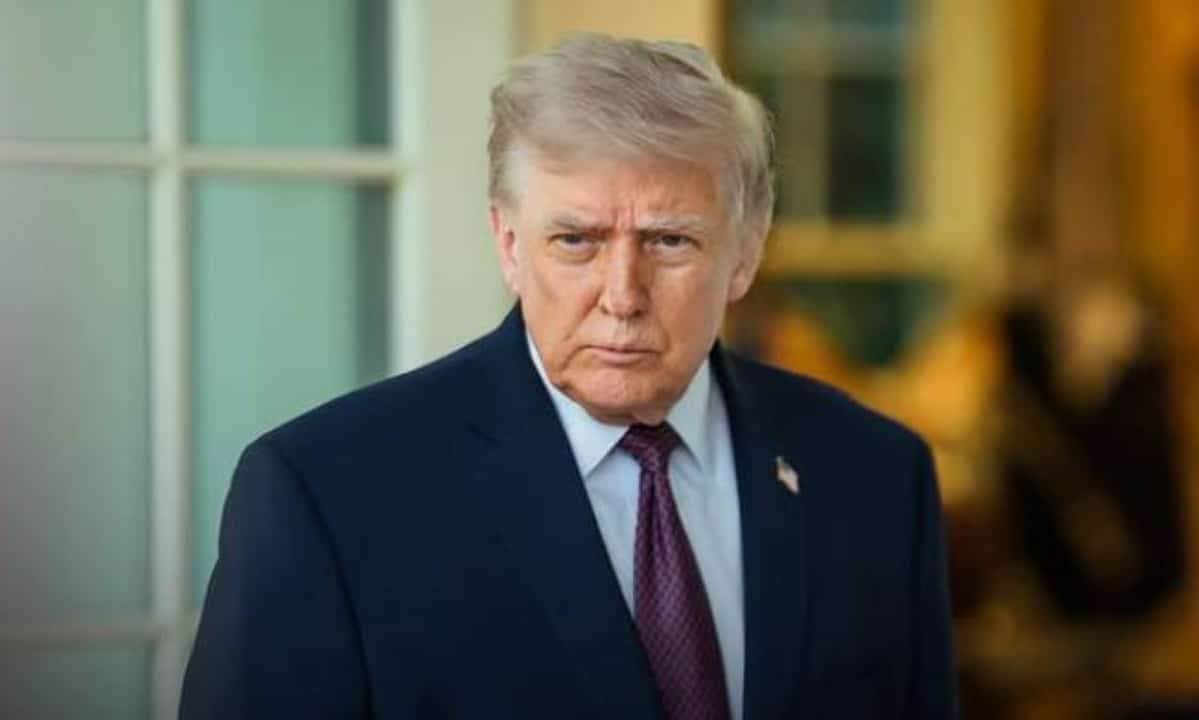
The president of Estados Unidos, Donald Trump, confirmed the signing of a diplomatic treaty with Irã to halt the advancement of the Asian country’s nuclear program. The counterpart established in the document involves the progressive suspension of economic sanctions applied by the international community over recent years. The official announcement took place on Casa Branca, marking the end of a cycle of confidential negotiations. European Diplomatas acted as intermediaries in the conversations between Washington and Teerã. The final text imposes severe restrictions on uranium enrichment and sets a strict timetable for technical audits at plants.
The decision changes the direction of North American foreign policy towards the Oriente Médio region. The Estados Unidos government reported that the schedule guarantees the gradual unlocking of Iranian financial assets held abroad, conditional on Agência Internacional validating the goals of Energia Atômica. The president of Irã used the state television network to communicate that the commitment keeps the country’s sovereignty intact. The measure also makes it possible to resume the nation’s commercial relations with Europa and Ásia partners.
Regras monitoring and restrictions at uranium facilities
The agreement establishes strict operational limits for the operation of Iranian plants over a ten-year period. Monitoring compliance with the clauses will occur uninterruptedly. International Inspetores will receive authorization to access the Fordow and Natanz underground complexes on a daily basis. The objective of the measure is to ensure that no centrifuge exceeds the processing capacity allowed for civil energy generation.
The imposition of physical and technical barriers aims to prevent the diversion of material for military purposes. The treaty requires the reconfiguration of specific industrial equipment and the removal of surplus machinery from production areas. Agência Internacional of Energia Atômica will install real-time monitoring equipment in storage warehouses. The data collected by the sensors will go directly to the organization’s headquarters.
Failure to comply with any technical guideline will trigger an immediate punishment mechanism. The Estados Unidos delegation demanded the inclusion of an automatic retaliation clause to sign the pact. Irã accepted the proposed conditions after facing a sharp deterioration in inflation and unemployment rates in the domestic market. The resumption of sanctions will occur without the need for a new vote in the international council.
Condições techniques required for the maintenance of the diplomatic treaty
The document details the structural obligations that the Iranian government needs to fulfill to guarantee the validity of the agreement. The requirements directly affect the country’s research and technological development infrastructure.
- Manutenção from a maximum stock of 300 kilograms of uranium enriched to a limit of 3.67%.
- Immediate Desligamento and removal of two-thirds of operational centrifuges in the Fordow facility.
- Modificação structural heavy water reactor of Arak for exclusive use in medical research.
- Liberação access for unannounced inspections conducted by Organização and Nações Unidas teams.
- Suspensão integral part of any scientific project aimed at creating warheads for a period of 15 years.
The implementation of these measures requires the constant presence of foreign technicians on Iranian territory. The centrifuge dismantling process will undergo an independent audit before the first certificate of conformity is issued. Apenas after the delivery of this report, the economic relief process will officially begin.
Etapas for financial unlocking and impact on the oil market
The removal of trade and banking restrictions will take place in four distinct phases over the next six months. The first stage foresees that the Estados Unidos issue specific licenses to authorize the purchase of Iranian oil by foreign companies. Esta action eliminates the risk of penalties in the Western financial system for buyers. The release of crude oil exports will quickly inject capital into the Teerã economy.
The agreement also covers the movement of billions of dollars frozen in Coreia’s financial institutions from Sul and Japão. The release of these amounts will occur under a strict control regime, allowing exclusive use for the purchase of humanitarian items. The Iranian government will be able to purchase food, agricultural products and hospital supplies with these funds. Departamento of Tesouro of Estados Unidos will track all transactions to prevent the transfer of money to armed groups in Oriente Médio.
The reinsertion of Irã into global energy trading changes the sector’s economic projections. Market Analistas and Nova York calculate that the additional supply of barrels of oil has the potential to force a fall in international oil prices in the short term. Organização of Países Exportadores of Petróleo scheduled an extraordinary session to discuss the scenario. Group members will assess the need to adjust daily extraction quotas to balance global supply.
Divergências on Congresso and ally reactions on Oriente Médio
Donald Trump’s confirmation of the pact provoked polarized demonstrations in Washington’s political corridors. Representantes of Partido Republicano expressed support for the strategy adopted by Poder Executivo. Government parliamentarians argue that the maximum pressure policy achieved the objective of forcing concessions from Teerã. The allied base maintains that the established inspection regime eliminates the risk of proliferation of weapons of mass destruction in the region.
On the other hand, senators from the conservative wing expressed doubts about the Iranian government’s fulfillment of its promises. Membros of the opposition announced their intention to summon high-ranking military and diplomatic officials to public hearings. The objective is to question the secretaries of Estado and Defesa about the operational details of the treaty in Comissão of Relações Exteriores. Lawmakers demand full access to the document’s technical annexes.
On the international scene, Israel’s government issued statements of repudiation shortly after the ceremony at Casa Branca. The Israeli leadership argues that the treaty fails to completely dismantle Irã’s nuclear infrastructure. Israel’s perspective is that the agreement allows time for Iranian technological improvement, increasing the vulnerability of neighboring nations over the next decade.
The security dynamics in Golfo Pérsico are undergoing a reconfiguration with the reduction of friction between Washington and Teerã. Arábia Saudita chose a diplomatically cautious approach to the announcement. The Saudi government announced that it will wait for the practical implementation of the inspection clauses before formulating an official position on regional stability.
The maritime logistics sector projects direct benefits from signing the document. Transport routes by Estreito and Ormuz must present a reduction in vessel insurance values. Cargo ship transit faced risks of interception and attacks, increasing operational costs for sending goods to Ocidente.
Representantes diplomats at Europa called the outcome of Genebra’s rounds a breakthrough. The Alemanha and França governments issued joint notes highlighting the effectiveness of direct dialogue. The European chancelleries highlighted that the diplomatic route prevented the start of an armed conflict on the Asian continent.