
Valve relaunches Steam Controller with advanced haptic technology and high demand in the PC market
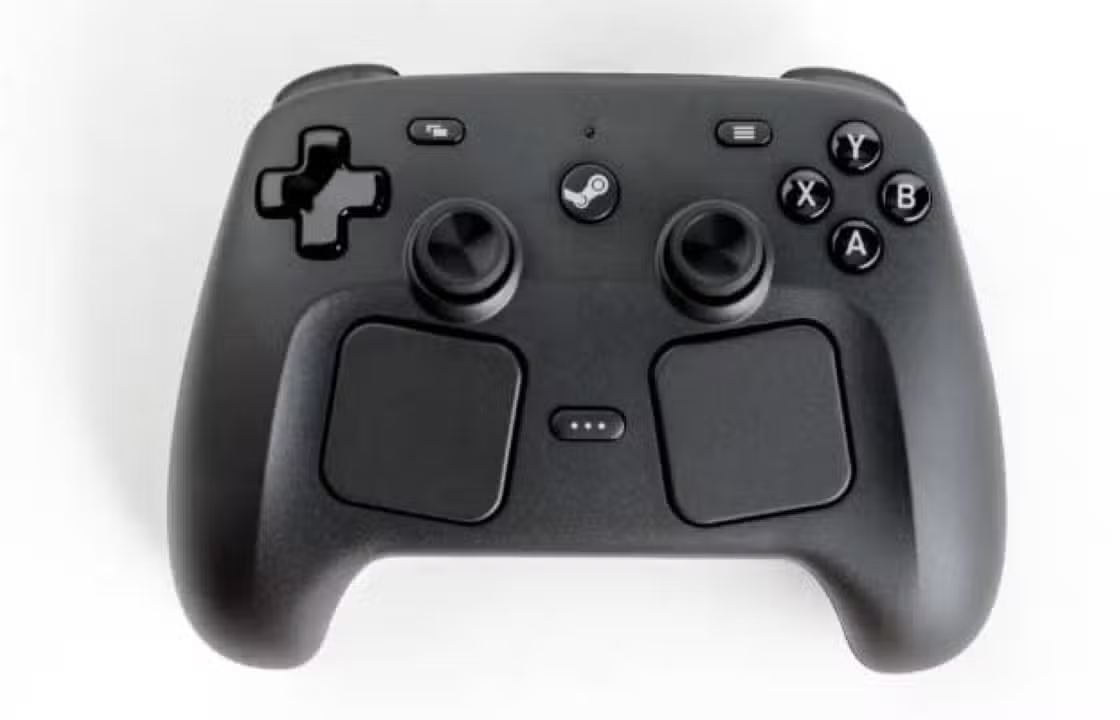
Valve officially returned the Steam Controller to the peripheral market with a completely redesigned hardware design. The device generated an immediate volume of hits that overloaded the sales platform’s servers during the first hours of availability. The equipment focuses on technical precision to attract the computer audience.
The initial launch took place on May 5th and quickly exhausted the manufacturer’s stocks. The company needed to organize a structured replacement for May 19th. Virtual queues remain active due to the continued high demand for the accessory. Native integration with the brand’s gaming ecosystem drives consumer interest in this new version.

Arquitetura of haptic motors and haptic feedback
The new controller features a complete overhaul of its vibration system. The product’s engineering incorporated four haptic motors distributed throughout the internal structure of the chassis. Dois of these components operate exclusively on the main trackpad. The technology offers high-precision tactile feedback that can simulate mechanical clicks and vibrations at multiple pressure levels. The trackpad surface appears to be just a smooth square area when the device is turned off.
The activation of energy transforms the physical interaction. The surface becomes immediately responsive and produces detailed sensations of continuous contact. Synchronization generates the practical “click-click-click” effect. The innovation goes beyond conventional vibration systems found in traditional controls on the current market. The user notices different patterns.
Light pressure on the control area results in a gentle vibration. The increase in physical force on the component generates a real mechanical clicking sensation. The system accurately replicates the tactile experience of a physical button being pressed all the way down. The device also hides a curious function discovered by users. The equipment emits a sound similar to a scream when it falls. The audio does not come from a traditional speaker, but rather from the direct conversion of haptic vibrations into sound frequencies by the internal motors themselves.
Precisão magnetic and capacitive touch sensors
The analog directional system received a significant technological update with the adoption of the TMR standard. The acronym stands for Resistência Magnética of Túnel. The format guarantees maximum precision when reading movements. The magnetically fluid design makes it possible to control the character or camera with minimal application of physical force. The feature reduces fatigue in players’ hands during prolonged use sessions.
Magnetic technology also works to prevent physical wear and tear on internal parts over time. The joystick integrates advanced capacitive touch functionality on its top surface. The sensor detects the presence of the user’s thumb even before the lever moves. Capacitive sensing allows the configuration of complex commands in management software.
The player can program the activation of the integrated gyroscope only for the moments when the finger maintains contact with the analog stick. Combining magnetic sensitivity with capacitive reading expands customization options. PC users gain mapping alternatives that remain unavailable on most standard peripherals.
Wireless Connection Sistema and Puck Receiver
The packaging of the new Steam Controller includes a connectivity accessory called Puck. The receiver functions as the main communication bridge between the control and the user’s computer. The device features a USB-C standard connector located on its top. The input allows establishing a direct and stable wired connection to the machine.


The Puck has a magnetic docking system. The structure facilitates physical docking to the Steam Controller body. The union of the two pieces makes it possible to use it in wired mode while charging the internal battery. The transition to wireless usage requires a simplified setup procedure. The user only needs to connect the receiver to the PC once to register the equipment in the operating system.
Activating any Steam Controller nearby causes the receiver to automatically detect the signal. The establishment of the wireless connection takes place in a few seconds without the need for manual intervention. The format eliminates the requirement for repeated pairings through the computer’s Bluetooth settings. Signal stability ensures reduced latency for competitive gaming.
Especificações hardware and integrated components
The peripheral’s architecture brings together technologies aimed at customizing gameplay on the PC. The manufacturer structured the equipment to meet precision requirements in different game genres. The component list highlights key upgrades over previous models.
- Magnetic Joystick with TMR technology and capacitive touch sensor.
- Quatro independent haptic motors for distributing haptic feedback.
- High precision Trackpad with mechanical click simulation.
- Internal Giroscópio activated by direct analog contact.
- Porta dedicated USB-C for power supply and data transfer.
- Receptor Puck with optimized wireless pairing system.
- Ergonomic Estrutura based on the original Valve design.
The set of specifications reflects the company’s focus on delivering a high-performance product. The integration of sensors allows the software to translate subtle movements into exact on-screen commands. The physical structure maintains the brand’s visual identity while updating the response standards to commands.
Desempenho commercial and gaming ecosystem
The impact of the launch generated technical instabilities in Valve’s sales infrastructure. Consumers who managed to overcome charging failures in the first few hours secured the initial units. The availability of new lots from May 19th did not eliminate the formation of virtual queues. The waiting time for purchases to be completed extended for several hours during peak access periods.
The accessory’s reputation gains strength among Steam Deck owners. The company’s portable console shares the same control design philosophy and mapping options. Titles that already had native support and optimizations for the original 2015 controller maintain compatibility with the new version. Public familiarity with the configuration system drives the hardware adoption rate.
The peripheral cements its position as a premium tool for computer gaming enthusiasts. The project updates concepts introduced in the past decade with state-of-the-art components. Sustained demand indicates acceptance of engineering choices by the gaming community. The manufacturer maintains the production schedule to stabilize product supply in the coming months.
Veja Tambem em Latest News (EN)

Apple guarantees AirPods Pro 3 at no cost to new Apple Card holders in US stores

James Webb Telescope reveals that moon Nereid survived historic impact on planet Neptune

Take-Two Interactive executive confirms 18-month change in Grand Theft Auto VI deadline

Professional skateboarder Marc Johnson dies at age 49 and Thrasher magazine confirms death

Fossils indicate that Neanderthals used sharp stones to open cavities 59,000 years ago

New One UI 8.5 interface arrives on the Galaxy S25 with performance flaws after a long period of testing

Japanese manufacturer launches Void GENESIS control with 2000Hz rate and extra buttons for PC and Switch

Clayface horror feature innovates in the DCU and focuses on Gotham villain after 37 years of Batman films

Rockstar Games confirms Grand Theft Auto VI release for November after successive postponements

Traffic collision in France causes the death of former Olympic gymnast Gaël Da Silva at age 41

Digital Dreams modifier transforms Red Dead Redemption 2 graphics with advanced visual package
