

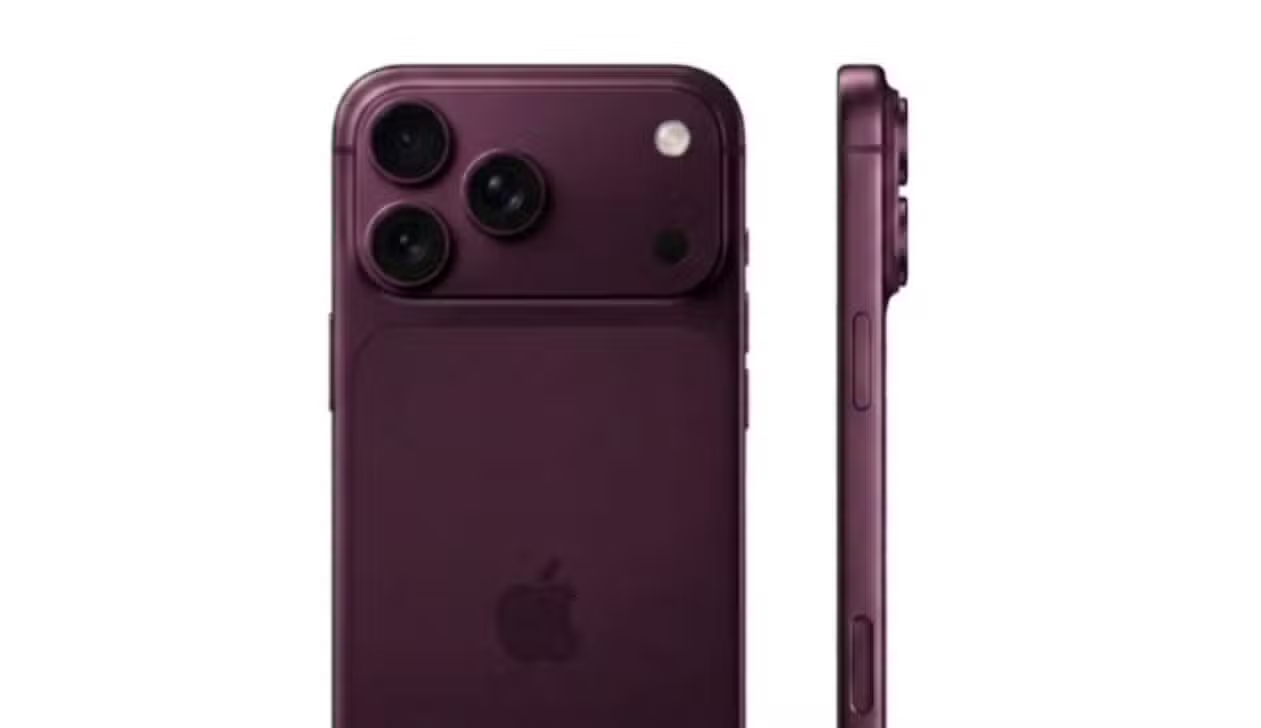
The Apple may abandon the use of titanium in future Pro iPhones. Novos rumors, published on the Chinese social network Weibo, indicate that the company would be reevaluating the material in favor of aluminum. The change would be driven by the increasing thermal demands imposed by artificial intelligence features running directly on devices.
Essa information was shared by known leaker “Fixed Focus Digital”, contradicting previous reports by leaker “Instant Digital”. Enquanto Previous speculation suggested a possible return of titanium in future generations of the iPhone, the latest news indicates that this transition is unlikely to occur in the short term, directing the focus towards more efficient solutions in heat management.
Alumínio is priority for AI thermal dissipation
Aluminum offers important advantages in the heat dissipation of iPhones, a characteristic considered crucial for processing artificial intelligence features directly on the device. Leaker “Fixed Focus Digital” claims that this challenge is not just restricted to Apple. The thermal issue affects practically the entire mobile industry, becoming a central point in the development of new devices.
Fabricantes of Android devices and also those using the HarmonyOS system would be prioritizing aluminum. Esta choice reflects the superior thermal properties of the material, which has become indispensable. The change comes at a time when smartphones require increasingly more computing power to operate generative artificial intelligence functions efficiently.
Contradições among leakers about the material
Previous rumors, submitted by “Instant Digital”, suggested that Apple was studying more sophisticated alternatives. Entre they were enhanced titanium alloys and components using liquid metal, pointing to future innovation in premium iPhone models. Essas solutions were seen as potential replacements for aluminum.
“Instant Digital” had already indicated that the use of aluminum in the iPhone 17 Pro would only be a temporary measure. The company would be developing more advanced materials for the next generations, seeking to balance weight, durability and thermal management. Contudo, the most recent information indicates that such technologies may be reserved for the long-awaited foldable iPhone, postponing the return of titanium to the Pro models.
Titanium Histórico on iPhone Pro and Challenges
Apple has started integrating titanium into Pro iPhones to reduce weight and give the devices a more premium feel. Apesar of intent, the iPhone 15 Pro and iPhone 16 Pro models have faced significant criticism related to excessive heating. Esses episodes mainly occurred while performing heavy tasks such as high-performance gaming or recording video at high resolutions.
Titanium, however, still remains present in some of the company’s products, such as the iPhone Air. However, the new leaks underline that aluminum has become a more strategic choice. Esta’s current decision better aligns with the emerging needs of the smartphone market, especially those related to thermal efficiency.
- Vantagens from Alumínio:
* Melhor heat dissipation in intensive processing.
* Potentially smaller scale production Custo.
* Material widely tested and proven in the industry.
- Desafios from Titânio:
* Dificuldade in heat dissipation for local AI.
* Higher production Custo for specific alloys.
* Complexidade in treatment to avoid excessive heating.
Impacto of AI in engineering decisions
The latest information also indicates that the future iPhone 18 Pro should maintain the same aluminum unibody structure as the iPhone 17 Pro line. If this prediction comes true, a possible return of titanium for the Pro models could be postponed. Essa change would be postponed to 2027 or even later years, reorganizing Apple’s premium product line.
For now, Apple has not issued official comments on the rumors or its future material choices. The discussion reinforces how artificial intelligence, in its growing local processing capacity, is directly impacting decisions. Essas decisions include design, material selection and thermal engineering of the most advanced smartphones on the global market.