
Atmosphere of exoplanet K2-18b shows signs of biogenic gases captured by James Webb

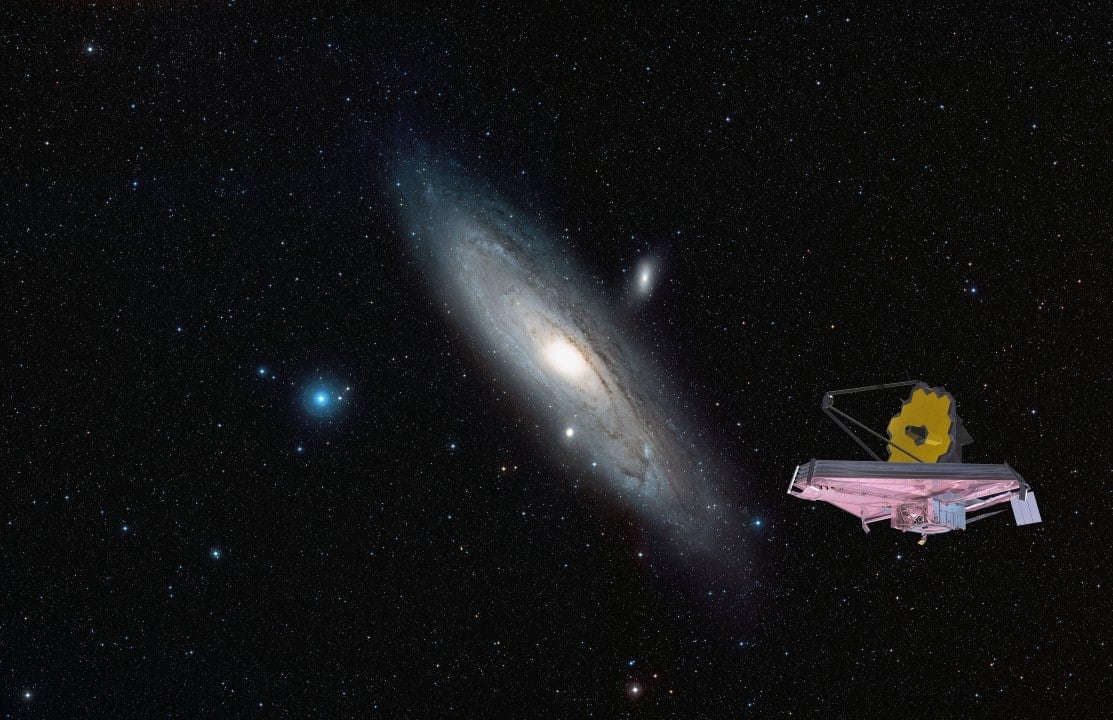
The James Webb space telescope recorded the presence of methane, carbon dioxide and possible traces of dimethyl sulfide in the atmosphere of the exoplanet K2-18b. The celestial body is located 124 light years away from Sistema Solar, in the constellation of Leão. Identification occurred using the transit spectroscopy technique. The method analyzes the light from the host star as it passes through the planet’s gas layer during orbital motion. The data collected provides an unprecedented mapping of the star’s chemical composition.
Na Terra, the production of dimethyl sulfide results mainly from the activity of marine microorganisms, such as phytoplankton. The joint detection of these chemical elements suggests an atmospheric imbalance that attracts the attention of astronomers and researchers from several space agencies. The planet orbits a red dwarf star in the system’s habitable zone. The thermal conditions of this specific orbital region allow the maintenance of liquid water on the surface.
Astrônomos dizem ter encontrado o indício mais forte de vida fora do nosso sistema solar, em um planeta a 124 anos-luz da Terra chamado 'K2-18b'.
Embora ainda não tenham declarado a descoberta de vida, eles detectaram “bioassinaturas potenciais” que são normalmente produzidas… pic.twitter.com/3cvmhATRy4
— Astronomiaum (@astronomiaum) April 17, 2025
Estrutura Physics and Classification of Celestial Body
The exoplanet K2-18b has a mass approximately nine times that of Terra. Essa physical characteristic classifies the celestial body in an intermediate category between super-Earths and mini-Neptunes. The planet’s atmospheric composition has a high concentration of hydrogen and carbon-based compounds. The environment differs substantially from patterns found on Sistema Solar’s rocky planets or gas giants. The calculated density points to a complex and stratified interior.
Astronomical Modelos indicates that K2-18b may belong to the class of Hycean planets. Esses hypothetical worlds harbor vast global oceans beneath a dense, hydrogen-rich atmosphere. The direct interaction between the water surface and the gaseous layer creates an interface conducive to the development of complex chemical processes. The pressure and temperature in these environments dictate the stability of the molecules detected by space instruments. The depth of these oceans can reach hundreds of kilometers.
The system’s host star emits less heat and radiation than Sol. The planet’s proximity to the red dwarf compensates for this thermal difference exactly. The orbit keeps the celestial body within a range where water does not freeze or evaporate completely. Thermodynamic equilibrium supports the hypothesis of the existence of perennial oceans. The hydrological cycle in a world with these proportions would operate under different physical rules than those known in Terra.
Funcionamento from transit spectroscopy
James Webb’s instruments capture variations in starlight during planetary transit. The filtering of luminosity by the exoplanet’s atmosphere leaves specific chemical signatures in infrared wavelengths. Moléculas of methane and carbon dioxide absorb exact portions of this light. Analysis of the resulting spectrum reveals the detailed composition of the gaseous layer. The process requires extreme calibration of the telescope’s mirrors and sensors.
The sensitivity of the equipment’s infrared sensors exceeds the capabilities of previous generation telescopes, such as the Hubble and Spitzer. The technology allows the identification of compounds in minimum concentrations at interstellar distances. Astronomers cross-reference data obtained in different bands of the spectrum to confirm measurements independently. The redundancy of observations reduces the margin of error in interpreting absorption graphs.
- The technique depends on the exact alignment between the star, the planet and the space telescope.
- The sensors measure light absorption in the near- and mid-infrared ranges simultaneously.
- Cada chemical element generates a unique light blocking pattern in the electromagnetic spectrum.
- Variations in the light curve indicate the density, temperature and altitude of the clouds.
The crossing of theoretical data with practical observations calibrates atmospheric simulation models in the laboratory. Scientific teams use advanced software to isolate the planet’s faint signal from the intense noise generated by the star. Processing information requires months of intensive computational work on supercomputers. The accuracy of the results defines the planning of the space agency’s next observation targets.
Origem biological or abiotic processes
The simultaneous presence of methane and carbon dioxide in a hydrogen-rich environment indicates a state of permanent chemical imbalance. In the absence of continuous replacement processes, these gases would react to form more stable compounds over millions of years. In the terrestrial biosphere, biological activity and geological cycles maintain the concentration of these elements. Detection on the exoplanet raises direct questions about local production mechanisms.
Dimethyl sulfide represents the most intriguing indicator among the compounds screened by the research team. The molecule has no known large-scale abiotic sources on our planet. The researchers are investigating whether photochemical reactions driven by red dwarf radiation could synthesize the gas in the upper atmosphere. Extreme submarine volcanism is also among the alternative hypotheses for generating the compound without the need for life.
The exclusion of non-biological origins requires the construction of specific geochemical models for Hycean worlds. Pressure at the bottom of the global oceans changes the behavior of minerals and gases dissolved in the water. The thermodynamics of these depths can facilitate reactions that are impossible to occur in the Earth’s crust. Confirmation of a biosignature depends on eliminating all plausible abiotic explanations through rigorous testing.
Validação data and future observations
The astronomical community treats initial detections of sulfur compounds with methodological rigor and analytical caution. The signals from dimethyl sulfide appear faintly in the current spectra made available by the telescope. The instrumental noise inherent to high-sensitivity sensors can mimic the signature of complex molecules at certain frequencies. Validation requires new observation campaigns with significantly longer exposure times.
Diferentes independent research groups analyze the same raw data sets provided by James Webb. The replication of analyzes by different teams guarantees the integrity of the conclusions published in scientific journals. Scientists are preparing proposals to use other instruments on board the observatory in the ongoing study of K2-18b. The combination of varied spectrometers will cover gaps in the wavebands already examined in the first missions.
The exoplanet consolidates its position as a priority natural laboratory for the field of astrobiology. Continuous measurements refine understanding of atmospheric dynamics in red dwarf habitable zones. The development of new data filtering techniques improves the ability to distinguish authentic planetary signals. The instrumental advance paves the way for the chemical characterization of ever smaller and more distant worlds from Sistema Solar.





