
Closure of OnePlus operations in the United States increases Samsung and Google’s advantage

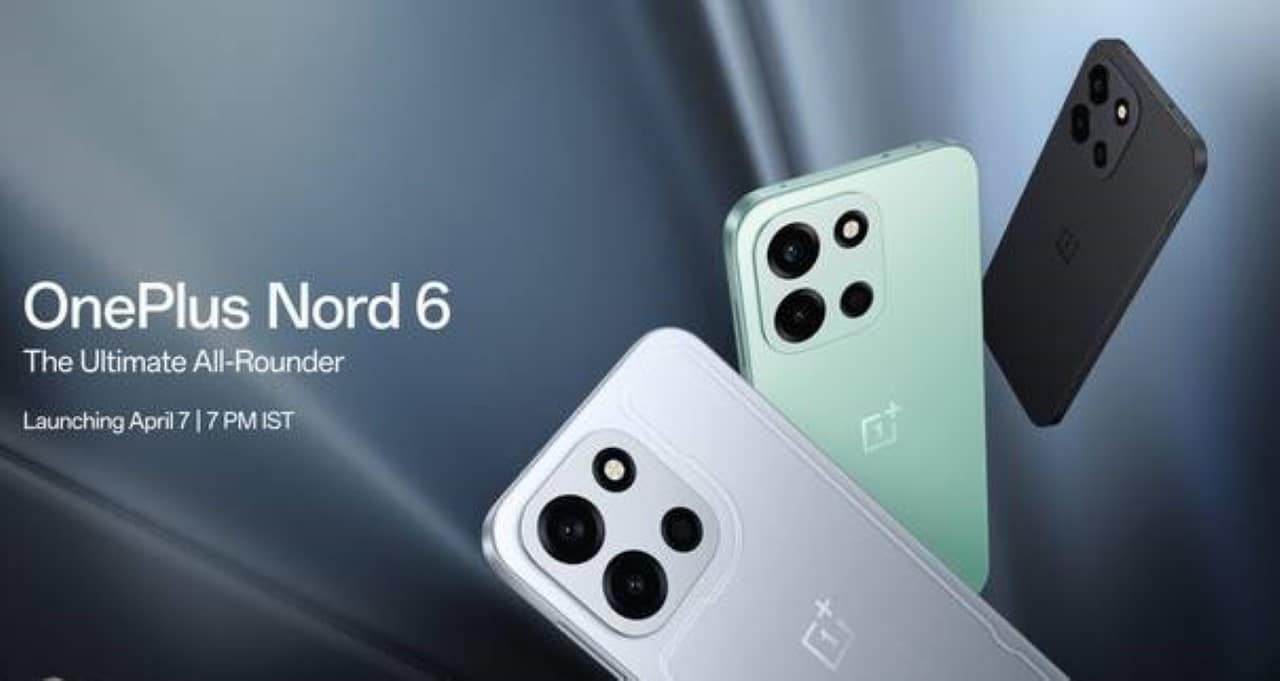
Mobile device manufacturer OnePlus has decided to close its commercial operations in several global markets, with emphasis on the definitive exit of Estados Unidos from April 2026. The corporation will redirect its investments and logistics infrastructure to China and Índia. The strategic move prioritizes operations in entry and intermediate segments in India, where the brand records the highest sales volume. The decision ends a trajectory of attempts at consolidation in the North American market.
The company’s withdrawal changes the competitive dynamics in the high-performance smartphone sector. Clientes who were looking for alternatives with advanced specifications and more affordable prices are missing a relevant option on the shelves. The current scenario of the market for high-end devices in the Estados Unidos already presents a consolidated dominance of two main manufacturers. The structural change strengthens the position of the segment leaders and reduces the pressure for accelerated innovations in the Android ecosystem.
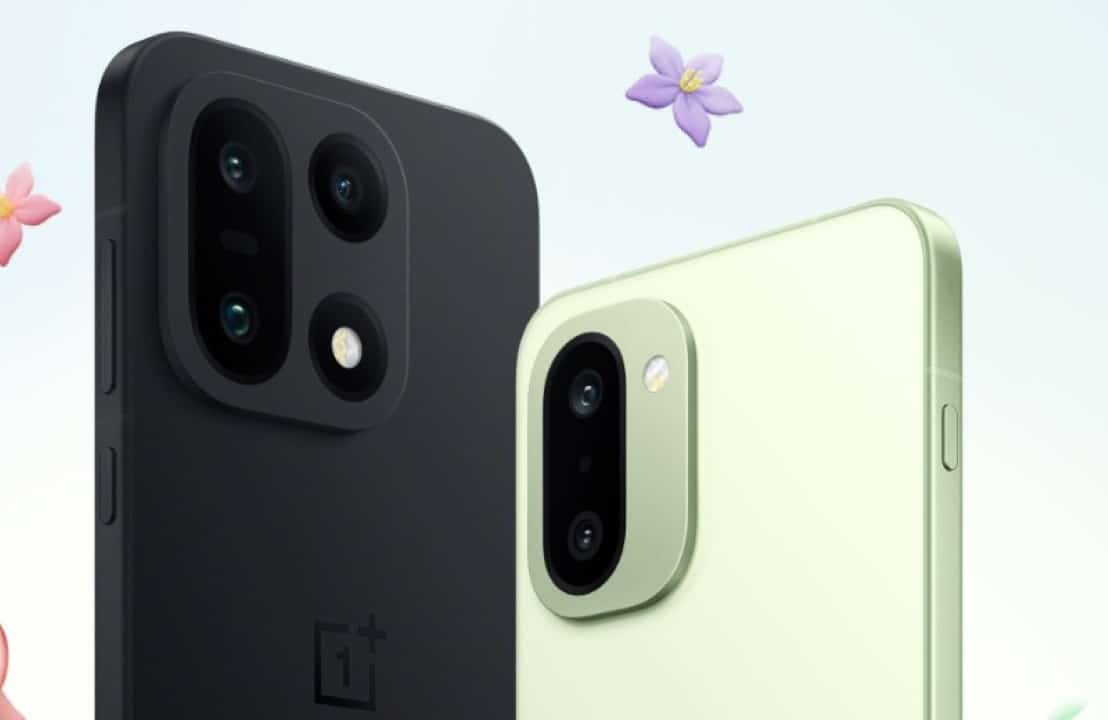
Barreiras commercials and absence from local operators
The difficulty of insertion into traditional sales channels represented a determining factor in OnePlus’ departure from the Estados Unidos. The brand was unable to establish a physical presence in the stores of the country’s main telephone operators. Grande portion of American consumers purchase new devices through monthly financing plans offered by companies such as T-Mobile, Verizon and AT&T. The lack of direct exposure to the public hindered the ability to attract new users.
The business model based exclusively on online sales did not generate the volume necessary to sustain the local operation. Dezenas of millions of buyers prefer to physically interact with the product before closing a deal. Eles evaluate the system interface, test the cameras and negotiate exchange offers for old devices directly at the service counters. The manufacturer has faced ongoing obstacles in maintaining long-term partnerships with local operators.
The main structural challenges faced by the company included:
- Custos for certification of devices in American telecommunications networks.
- Falta of physical visibility compared to brands already established in retail.
- Dependência excessive use of digital platforms in a market focused on in-store financing.
Essa commercial configuration favors corporations that have robust infrastructure and billion-dollar budgets for joint marketing campaigns with network providers. OnePlus was unable to match the level of investment necessary to compete for the attention of the average American consumer.
High-performance Hardware and battery innovations
The manufacturer’s most recent releases have delivered a technical package capable of rivaling the most expensive devices on the market. The OnePlus 15 model, for example, arrived on the market equipped with the Snapdragon 8 Elite Gen 5 processor and versions with up to 16 GB of RAM. The device’s biggest difference lies in the adoption of a silicon-carbon battery with a capacity of around 7,300 mAh. Essa technology enables superior energy density without increasing the physical thickness of the phone.
The hardware configuration provides significantly greater autonomy during heavy use of applications, games and media consumption. The company’s portfolio also includes the OnePlus 15R, positioned as a low-cost alternative that uses the Snapdragon 8 Gen 5 processor. The Ambas lines have demonstrated the technical capacity to compete in fundamental aspects such as processing speed and fast battery charging.
Apesar due to the technical excellence of the internal components, the distribution strategy did not keep up with the potential of the products. The company managed to balance manufacturing power and price, but failed in the final sales conversion stage. The American consumer recognized the quality of the hardware through specialized analyzes on the internet, but was faced with the difficulty of purchasing the device under the easy conditions offered by direct competitors.
Market Concentração between Samsung and Google
OnePlus’ exit drastically reduces the number of competitors in the premium mobile phone segment in the Estados Unidos. Motorola, another manufacturer with a historical presence in the country, focuses its current efforts on selling foldable devices and intermediate models. The brand does not compete for the top of the line with production volumes capable of threatening the leaders. The commercial environment is restricted to a direct clash between Samsung and Google.
The absence of a third competitive force alters the pace of development of new technologies. Historicamente, technology giants respond to external pressures by accelerating the implementation of improvements in cameras, software and energy capacity. Sem direct rivals that offer aggressive specifications at lower prices, the incentive for large-scale adoption of silicon-carbon batteries may decrease. The market loses an important vector for stimulating continuous innovation.
Consumers planning to change smartphones in the coming months are faced with limited options. The Galaxy S26 and Pixel lines continue to be available with wide distribution and easy financing. However, the lack of direct competition reduces the final buyer’s bargaining power. In the long term, sector concentration may result in more conservative update cycles and prices stabilized at higher levels.
Desdobramentos for users and global restructuring
OnePlus’ corporate decision reflects the structural challenges that Chinese-origin brands face in operating in high-income Western markets. Operating costs for marketing, logistics, technical support and regulatory certifications put pressure on manufacturers’ profit margins. Redirecting focus to China and Índia allows for a more efficient allocation of financial resources. The company records greater penetration and public acceptance in these Asian territories.
Current owners of Estados Unidos branded devices must follow the technical support policies during the transition period. The company will need to define warranty periods and the continuity of operating system security updates after local sales end. The company’s global restructuring should be completed in the next few weeks of 2026. Remaining Unidades are still circulating in digital retail while stocks last at partner distributors.
The American mobile phone market is consolidating a transition to an oligopoly model in the high-cost segment. Smaller Empresas are still trying to carve out specific niches with devices focused on gaming or photography, but they have not reached the production scale necessary to influence overall prices. Consumers who prioritize the relationship between cost and benefit will need to adapt their expectations to the offers standardized by giants in the technology sector.
The definitive transition ends a chapter of diversification attempts in the North American Android ecosystem. The immediate availability of devices from operators will continue to dictate the rules for commercial success in the country. Modelos with efficient processing remain in the catalog of the surviving brands, but the aggressive pricing dynamics lose their main representative.





